Election Officials Are Preparing for Prediction Markets to Sow Chaos in the Midterms
From threats to the safety of poll workers to voters who can’t distinguish between odds and results, prediction markets are already scrambling the political process.
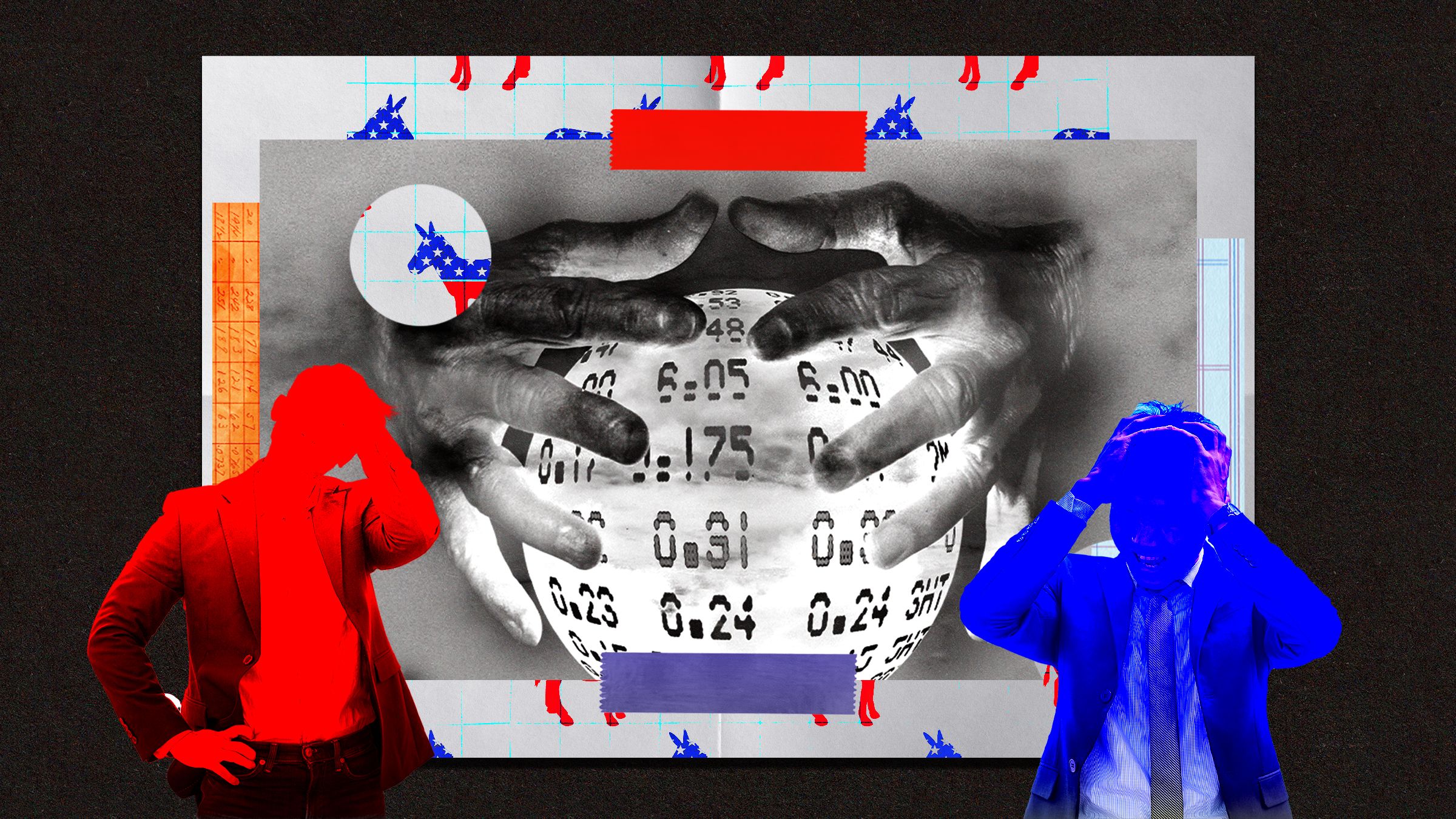
Election officials are preparing for prediction markets to cause chaos during the upcoming midterms, according to officials in Delaware County, Pennsylvania. To address potential conflicts of interest, the board of elections amended the oaths signed by election workers to include an affirmation that they have no direct or indirect interests in any bets, wagers, or prediction markets. Over 2,500 people, including full-time staff and temporary ballot processors, have signed the oath ahead of the November elections.
The board of elections in Delaware County expressed concerns about the rapid growth of prediction markets and their potential to undermine trust in electoral outcomes. The officials worry that prediction markets could monetize the reward for manipulating results and capitalize on the anger and frustration of those who lose in these markets.
Recent events, such as the Wisconsin gubernatorial primary, have highlighted the discrepancy between prediction market odds and actual race outcomes. In this case, prediction markets had progressive candidate Francesca Hong as the likely winner until the results started coming in. Election officials fear that voters might place too much confidence in the probabilities shown by the markets and make wagers expecting guaranteed money, which could lead to aggression against poll workers and other election officials.
Election officials also point out that many voters are confused about the meaning of prediction market odds. A recent survey found that 75% of respondents were unable to correctly explain what prediction market odds represented. This confusion may exacerbate the situation, as election deniers have previously leveraged the lack of public understanding of election processes to spread disinformation.
While some prediction market traders, like Caleb Davies, dismiss the concerns over market integrity, others, like Polymarket spokesperson Annabel Walsh, acknowledge the potential for manipulation. They argue that other traders will quickly correct any artificial boosts in odds to avoid losses.
Despite these concerns, election officials remain vigilant and are working to ensure that prediction markets do not hinder the integrity of the upcoming midterms.
Written by urgent.news from Wired's reporting — not their text. Machine-written — may contain errors; check the original before relying on it.