AI-generated wildlife images are endangering animals and people, experts warn
Hyper-realistic visuals of wild animals behaving like pets can distort public perceptions of wildlife and harm conservation efforts.
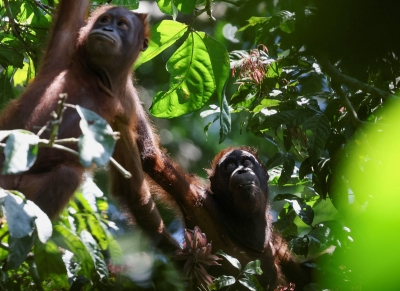
KUALA LUMPUR – A black-and-white image circulating online depicts an orangutan holding endangered leopard cubs in the jungles of Malaysia's Sabah state. However, the viral image is not real; it is a fabricated creation generated by artificial intelligence. Experts warn that these AI-generated wildlife images pose a threat to both animals and people.
Fact-checkers have debunked numerous similar synthetic visuals, including an elephant escaping a flood in Myanmar and a pink dolphin leaping out of water in the Philippines. Although these images may appear harmless and feel-good, they can distort public perceptions of wildlife and jeopardize conservation efforts. Jose Guerrero-Casado, a zoology professor at Spain's University of Cordoba, stated that hyper-realistic visuals of wild animals behaving like pets or humans can lead people to approach animals too closely or interact with them unsafely.
A recent incident in China's Xinjiang region involved a woman being attacked by a snow leopard after attempting to get closer for a photo. China's forestry department increased patrols and warned the public to maintain a safe distance when encountering wild animals. Conservationists argue that AI visuals portraying wild animals as cute or cuddly make it difficult for social media users to distinguish between reality and fiction, potentially fueling exploitation.
These visuals can increase demand for certain species to be used as photo props, exploited for social media content, or kept as pets. While such content may encourage some people to support animal protection, the negative impacts far outweigh the benefits, according to Jenny Roberts of conservation group WWF. WWF uses real images for its fundraising efforts, but fake content desensitizes people to even the most remarkable original visuals.
When the charity shared a camera trap photo of a tiger with five cubs in China, people questioned its authenticity on social media. A September study in Conservation Biology concluded that the rapid spread of AI misinformation poses a "major threat" to society, as it can hinder accurate identification of species and lead to misunderstandings about wildlife abundance and distribution.
Scientists warn that AI generation and manipulation could compromise the reliability of citizen science data, which relies on photos and recordings of wildlife submitted by users. Meta and TikTok mandate the labeling of realistic visuals created or significantly altered using AI, and they claim to have tools that automatically label such content.
However, fact-checkers have found numerous wildlife posts lacking clear labels, even when users explicitly stated that the images were fabricated. According to Jose Guerrero-Casado, conservation efforts depend on an informed society that understands the ecological and conservation needs of wild species. AI-generated fake content does not contribute to this objective.
Written by urgent.news from Japan Times's reporting — not their text. Machine-written — may contain errors; check the original before relying on it.