The Real AI Video Bottleneck Isn’t Generation. It’s Creative Control
AI video generation is getting easier. The next challenge is creative control: keeping characters, locations, story details, and visual style consistent.
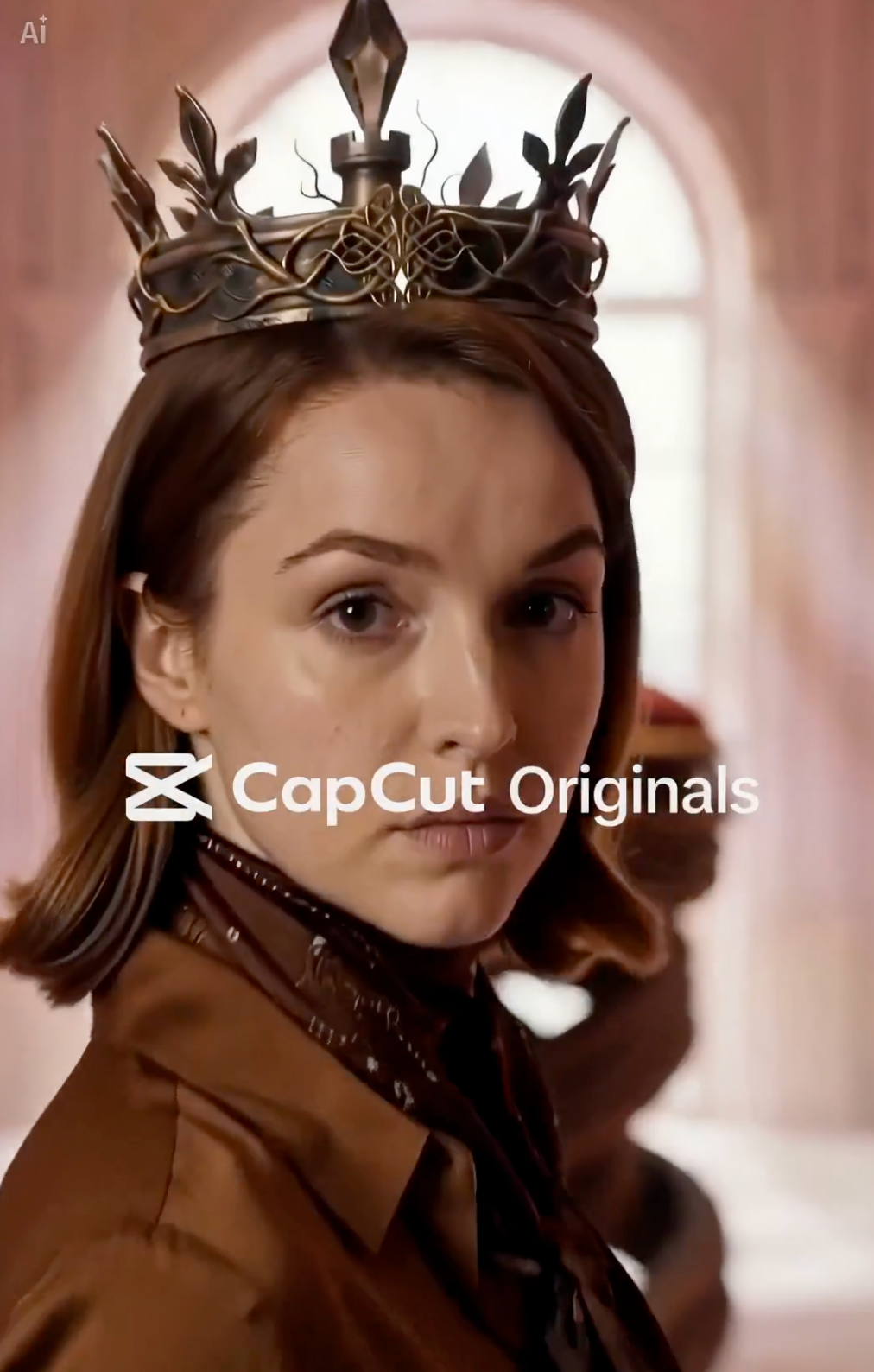
AI video generation has rapidly progressed in recent years, with platforms like Runway, Pika, Veo, and Seedance allowing creators to produce high-quality clips from simple prompts. However, the true challenge lies not in generating individual scenes, but in maintaining creative consistency across multiple shots. As projects expand beyond a few isolated clips, factors like character recognition, location uniformity, lighting, props, camera direction, and story details become crucial.
Each inconsistency forces creators to decide whether to regenerate the scene, rewrite the prompt, edit around the issue, or accept the inconsistency. The fragmentation across disconnected tools exacerbates the problem, as creators often use separate platforms for generation, editing, asset management, and reference tracking. This scattered workflow leads to lost information and repetitive work as creators rebuild previously completed assets.
The growing expectation for consistency in AI video production mirrors traditional film continuity practices, where elements like wardrobe, props, framing, and set details are meticulously tracked to ensure a coherent story. As AI video platforms evolve, the focus shifts from isolated tools to a more integrated creative ecosystem.
This ecosystem should facilitate seamless transitions from idea development to final production, with features such as story planning, generation, editing, asset management, and refinement working together as a unified process. CapCut's Director Mode exemplifies this new approach, integrating scripts, storyboards, characters, locations, props, and scenes into a single collaborative workspace.
By preserving visual details and maintaining consistent visual elements across the project, AI video production can move beyond isolated generation to a more structured and efficient workflow. As AI video transitions from experimental exploration to production-ready workflows, the goal is to minimize unnecessary work and ensure that creative decisions are consistently applied throughout the project.
Written by urgent.news from HackerNoon's reporting — not their text. Machine-written — may contain errors; check the original before relying on it.