California law would force companies to disclose toxic chemicals in disposable diapers
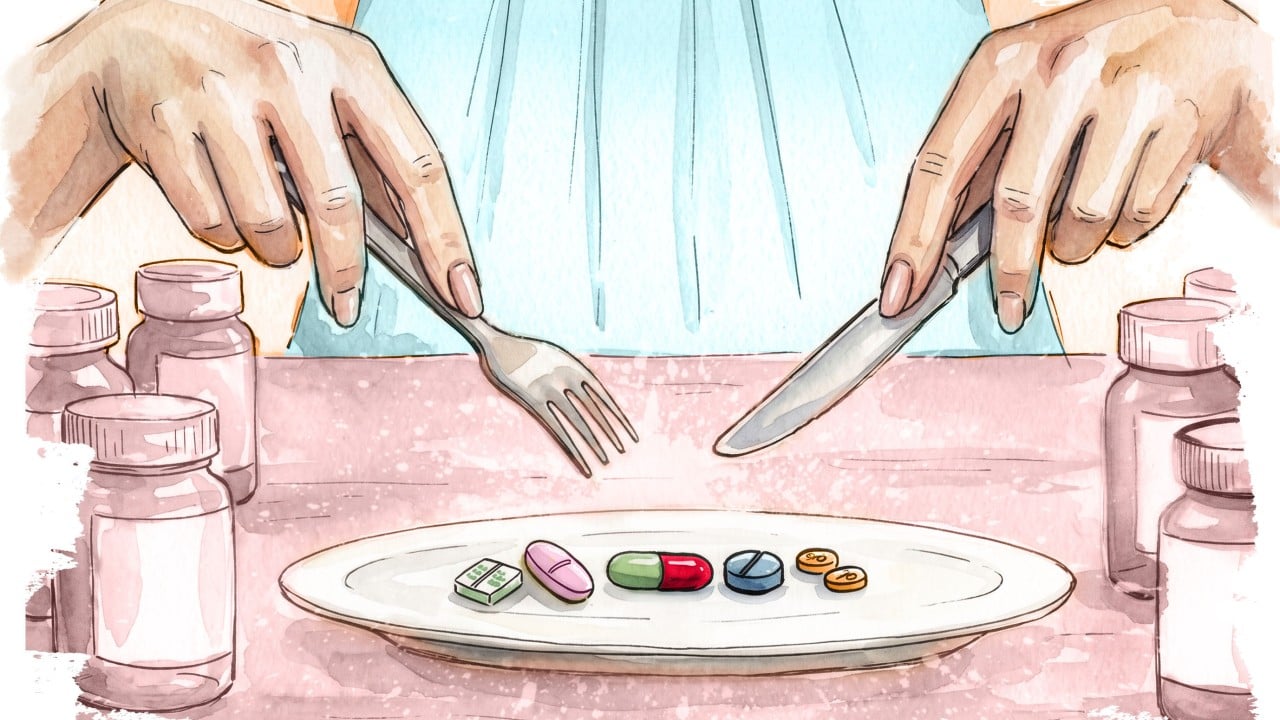
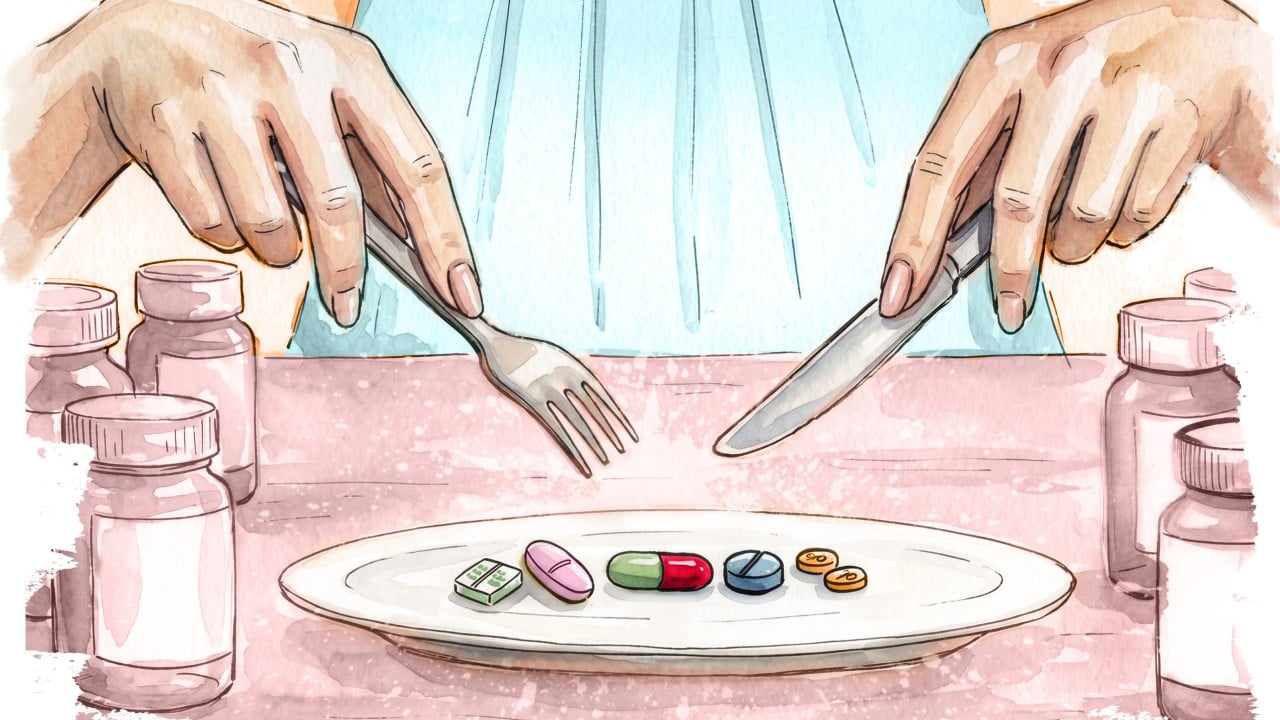
Legislation requiring disclosure of chemicals in diapers passed assembly and will go before state senate soon New California legislation would require manufacturers to disclose the “mystery cocktail” of toxic chemicals used in disposable diapers. Diapers often contain among the most toxic substances – phthalates, lead, Pfas, quats, arsenic, a range of volatile organic compounds (VOCs) and…

A new California law aims to compel diaper manufacturers to reveal the "mysterious blend" of hazardous substances utilized in disposable diapers. These diapers frequently house toxic substances such as phthalates, lead, PFAs, quats, arsenic, VOCs, and various "fragrance" compounds potentially harmful to human health. Skin-to-skin contact for extended periods during infancy increases the risk of absorbing dangerous substances, with many chemicals like phthalates affecting endocrine systems, potentially disrupting critical hormones for brain and reproductive development.
Though not mandated in all states except New York, this California law surpasses previous efforts. It passed the California assembly with overwhelming support and is poised to be reviewed by the state senate in the coming weeks.
The legislation would force diaper makers to disclose on a publicly accessible website all intentionally added ingredients and their specific functions or purposes in the diaper by 2028, and on packaging by January 1, 2029. Diapers' ingredients serve various purposes, including PFAs as moisture barriers, formaldehyde as preservatives, and phthalates to maintain plastic flexibility.
Lead or other heavy metals might be added to inks and dyes. A 2025 study discovered PFAs in popular brands and French regulators detected PFAs, formaldehyde, pesticides, and dioxins. However, research on the long-term effects of these consistent exposures on babies is limited. A Chinese study in 2025 linked diaper use to markers of DNA damage in urine samples from 66 babies, but it doesn't confirm that wearing diapers directly causes DNA damage or other diseases.
Industry argues that the confidentiality of business information laws protect the intricate formulas of their products, but advocates dispute this claim, asserting that diaper ingredients are not shielded under these laws. The bill's supporters contend that transparency would create significant market pressure on diaper manufacturers to use less toxic ingredients.
California's Democratic gubernatorial candidate, Gavin Newsom, has a history of vetoing strong chemical legislation opposed by industry or his donors. Despite this, the bill seems to have a high probability of passing and serves a vital purpose. It would not only push companies to act but also raise nontoxic brands, according to advocates.
Transparency laws can move the marketplace, as parents with access to ingredient comparisons are likely to favor products that align with their preferences. Other states might follow California's example, further boosting market pressure for safer diapers. New York currently mandates certain labeling, but this legislation goes beyond that.
Parents seeking to protect their children can choose fragrance-free diapers, opt for cloth diapers, which are often better options though not always chemical-free, consult the Environmental Working Group’s safe diaper guide for evaluations and product recommendations, and question diaper manufacturers about their use of PFAs, phthalates, heavy metals, or other substances.
Written by urgent.news from Guardian Health's reporting — not their text. Machine-written — may contain errors; check the original before relying on it.
This story
This is one outlet's version. Read the fullest account.