The common mistake that could make aging joints hurt more
Aging gradually wears down the cartilage and fluid that protect our joints, but avoiding movement may actually make matters worse. Exercise helps nourish cartilage, strengthens the muscles that protect joints, and can reduce osteoarthritis pain. Low-impact activities such as swimming, cycling, tai chi, yoga, and walking on varied terrain may also improve balance and mobility. Even a few minutes…
Aging can bring many benefits, but joint pain is not among them. As we grow older, the cartilage – a tough yet flexible connective tissue – and synovial fluid within our joints diminish. This may cause some individuals to steer clear of activities like exercise. However, engaging in the right type of exercise can actually benefit your joints.
Articular cartilage, which covers the ends of bones, acts as a cushion and creates a smooth surface for movement. Synovial fluid, a sticky substance, lubricates joints, reducing friction and delivering essential nutrients to cartilage. Regrettably, cartilage struggles to heal itself, primarily due to the lack of its own blood supply.
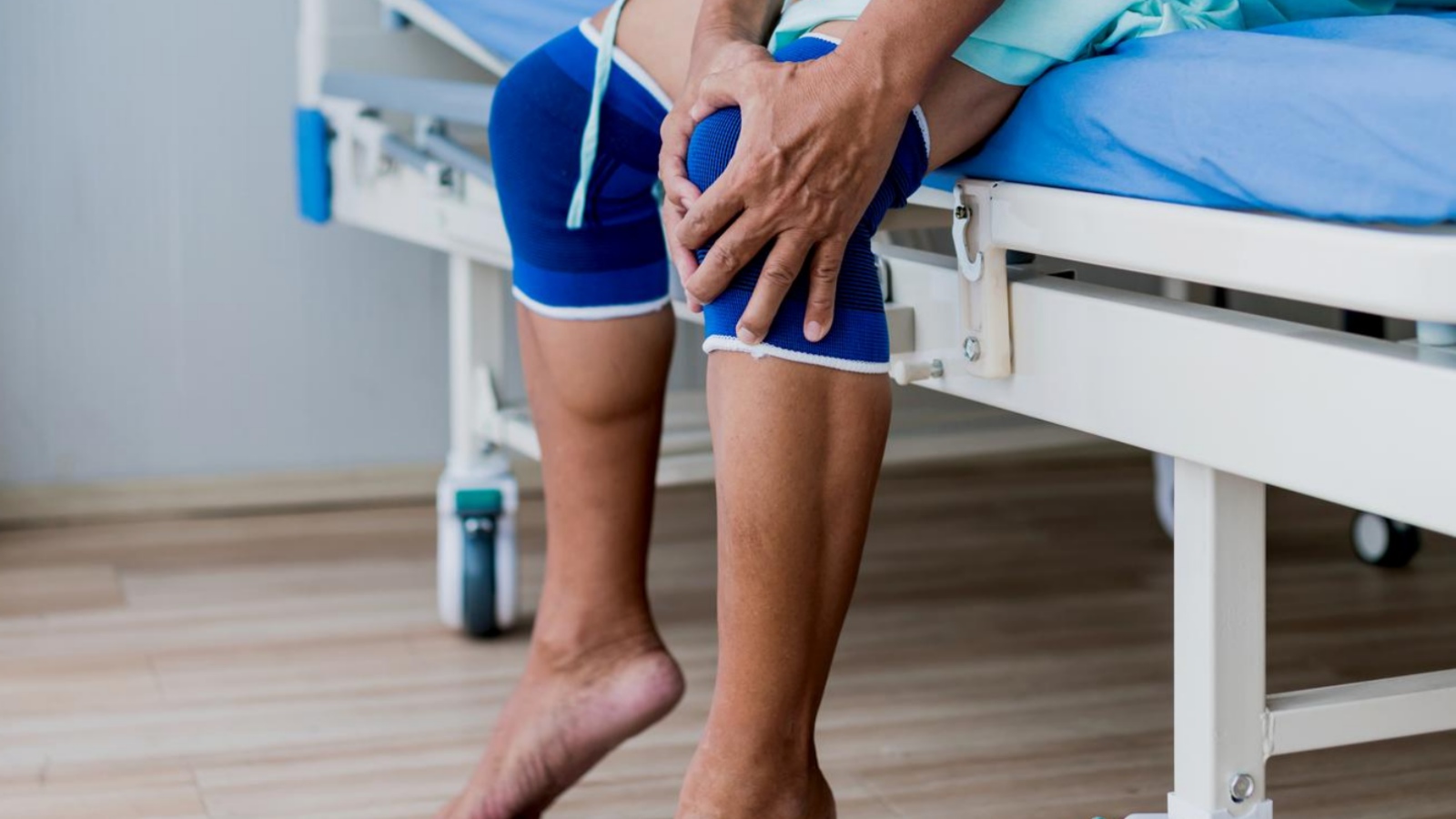
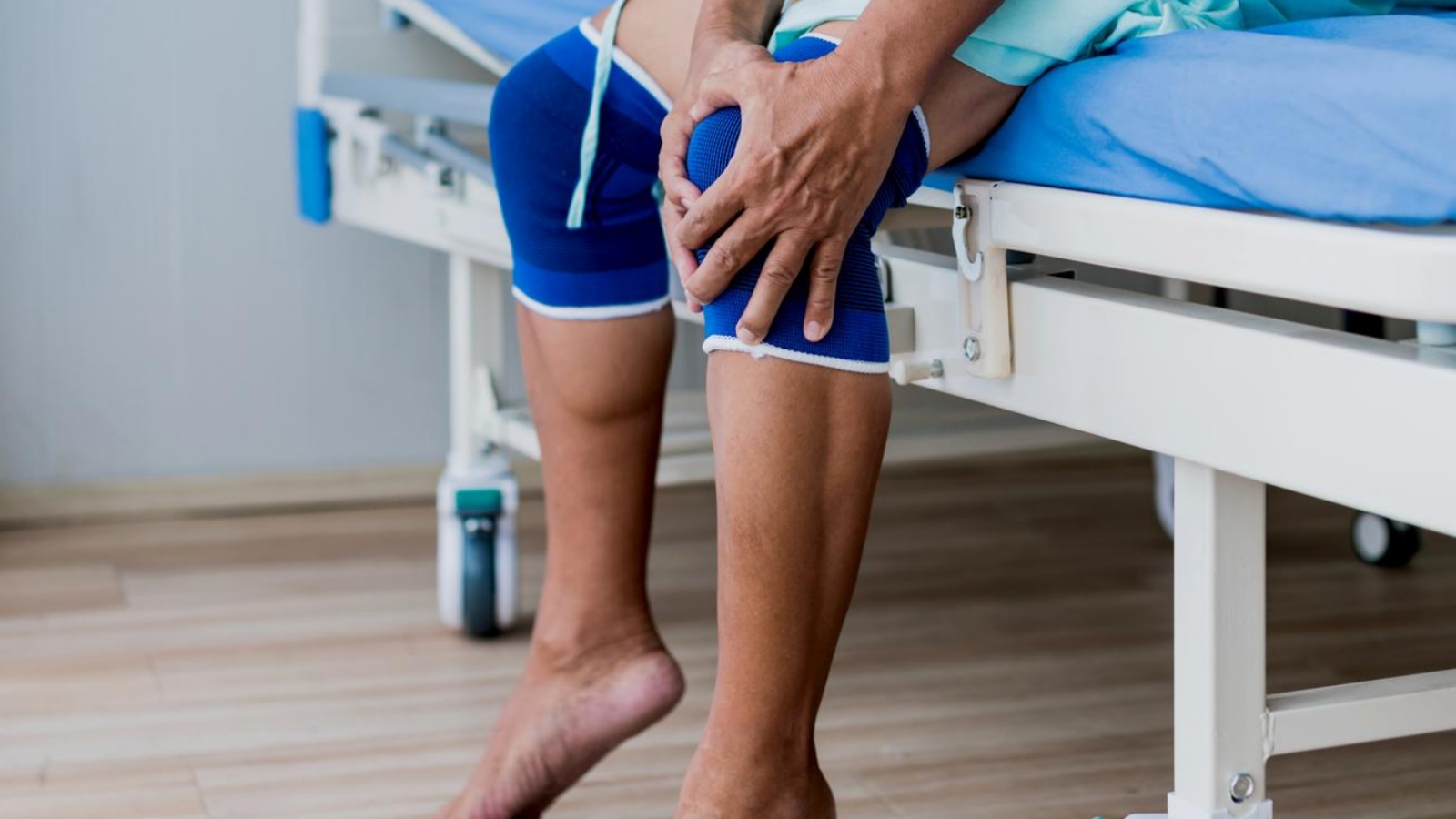
This gradual wear and tear of cartilage is termed osteoarthritis, affecting over 500 million individuals globally. Pain is most common in weight-bearing joints, including knees, hips, and the spine. Exercise aids in the distribution of synovial fluid and its nutrients to cartilage. Strengthening the muscles around joints functions as shock absorbers, reducing pressure on them.
Studies indicate that strength exercises focusing on quadriceps, the thigh muscles, can notably decrease joint pain. A significant review found that exercise eases pain and enhances function in those with knee osteoarthritis, comparing favorably with anti-inflammatory medications but without their side effects. Exercise may also preserve proprioception, the body's sense of position and movement, which deteriorates with age and can lead to uneven weight distribution, accelerating joint wear.
Engaging in varied and unstable surfaces can mitigate this wear-and-tear, keeping joints flexible. Low-impact exercises, like swimming and water aerobics, place minimal weight and force on joints. Cycling, tai chi, yoga, and walking on uneven terrain are other beneficial options. Walking on surfaces like grass, sand, or gravel can maintain proprioception.
A recent study discovered that unstable surface training enhances postural control in older adults, reducing fall rates by about 23%, crucial as falls are the leading cause of injury-related deaths in those over 65. To ensure safe and effective low-impact exercise, avoid fancy equipment initially. Opt for walking on uneven surfaces and practice standing on one leg.
Begin on firm ground, standing on each leg for 30 seconds before advancing. Always exercise near a stable support and consider using walking poles. However, never exercise on unstable surfaces when tired. Consulting a certified exercise professional is recommended before starting to design a personalized exercise program.
Written by urgent.news from ScienceDaily's reporting — not their text. Machine-written — may contain errors; check the original before relying on it.
This story
This is one outlet's version. Read the fullest account.
- The common mistake that could make aging joints hurt more sciencedaily.com