The common mistake that could make aging joints hurt more
Aging gradually wears down the cartilage and fluid that protect our joints, but avoiding movement may actually make matters worse. Exercise helps nourish cartilage, strengthens the muscles that protect joints, and can reduce osteoarthritis pain. Low-impact activities such as swimming, cycling, tai chi, yoga, and walking on varied terrain may also improve balance and mobility. Even a few minutes…
Aging brings many benefits but achy joints is a common downside. As we get older, the cartilage and synovial fluid in our joints naturally diminish, which can result in decreased joint function. Exercise often receives a negative connotation when it comes to joint health, but in reality, it can actually help protect our joints.
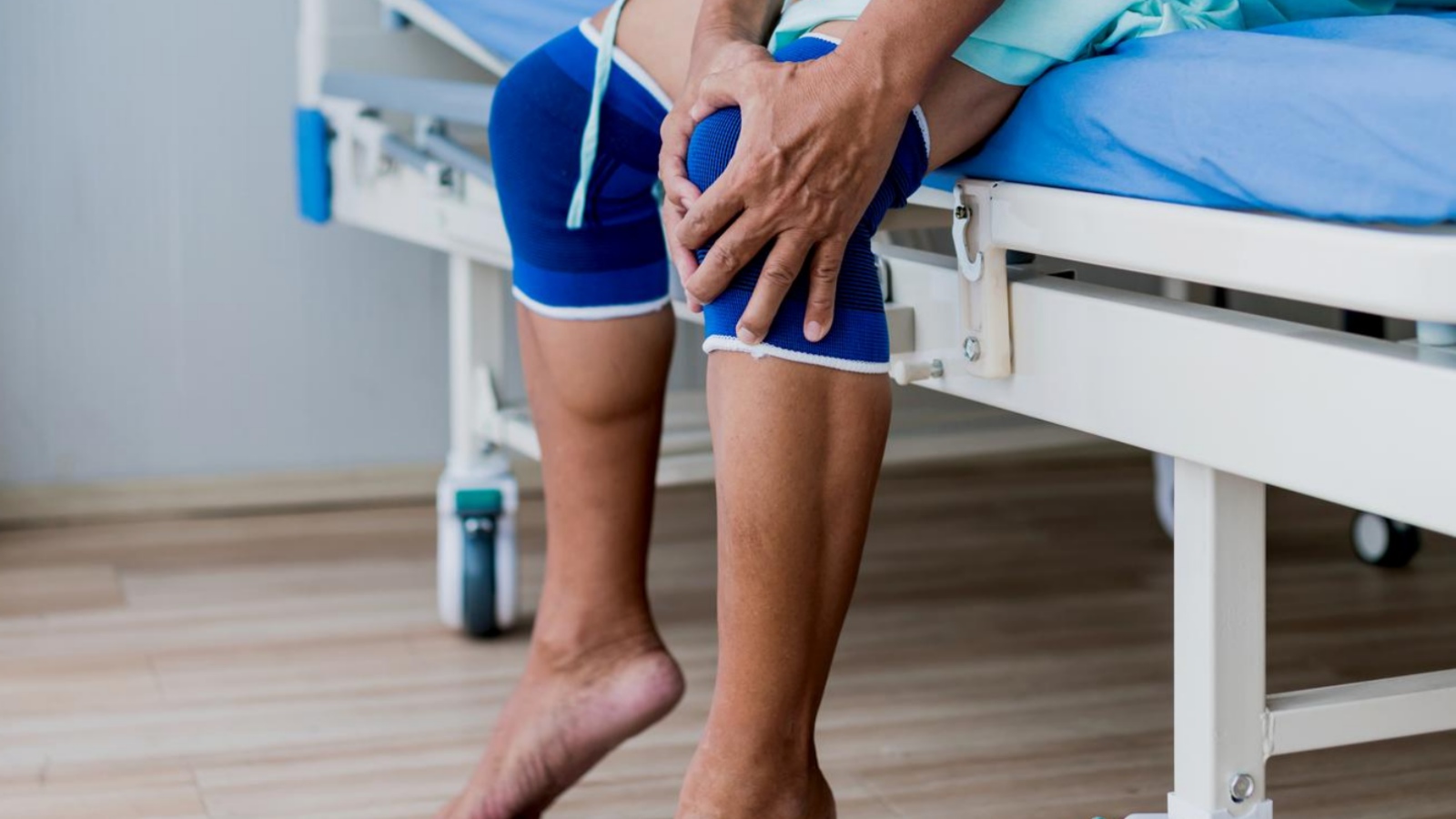
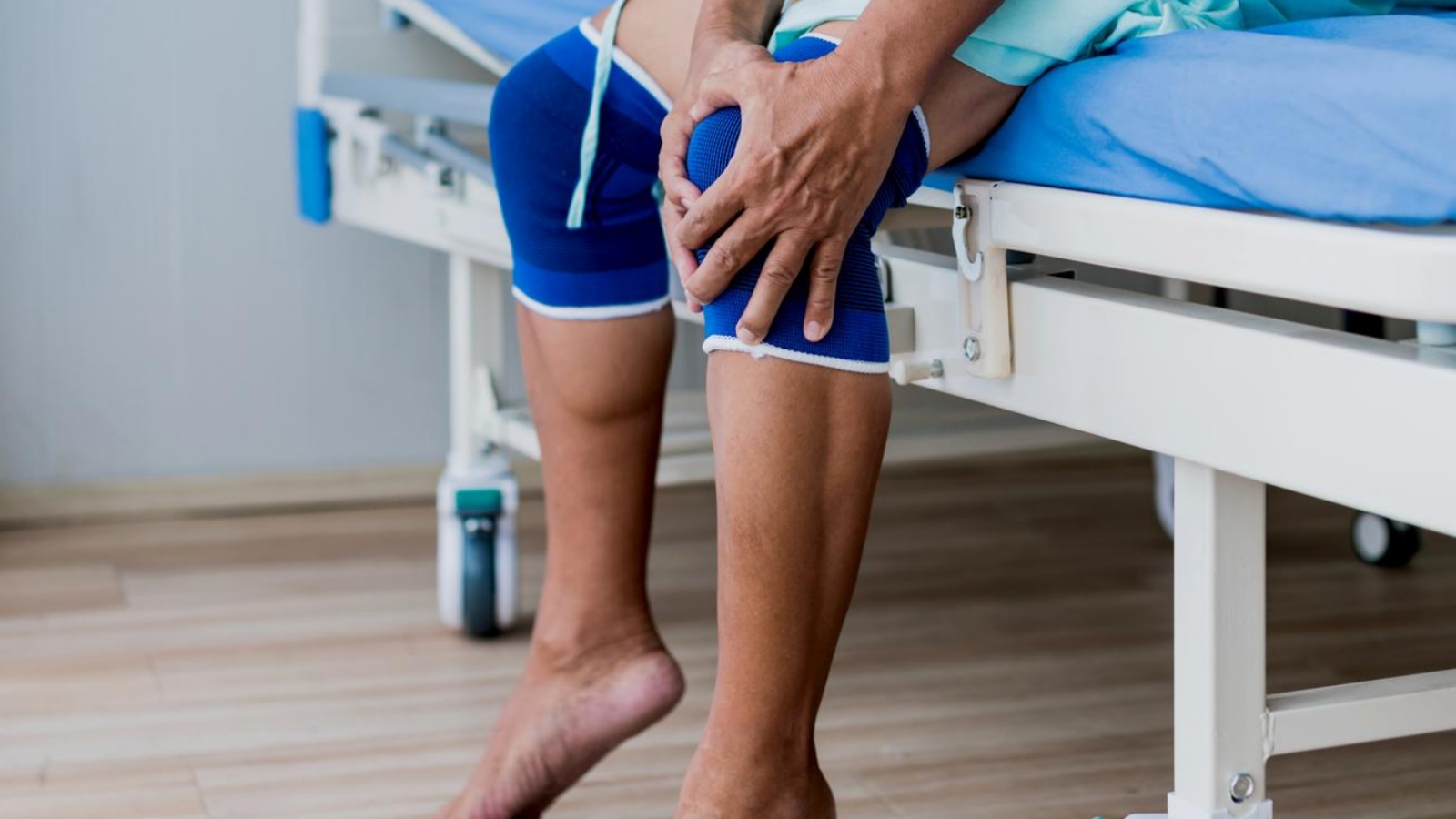
Each joint is protected by articular cartilage, a specialized tissue that covers the ends of bones. This cartilage creates a smooth surface for motion and is lubricated by synovial fluid, which reduces friction and provides essential nutrients. However, cartilage is not very efficient at repairing itself due to the lack of a blood supply. The gradual breakdown of cartilage is known as osteoarthritis, a condition affecting over 500 million people globally.
Pain from osteoarthritis is often felt in weight-bearing joints like the knees, hips, and spine. Since synovial fluid gets distributed through motion, exercise helps bring this fluid and its nutrients to the cartilage. Additionally, the muscles surrounding joints act as shock absorbers, and strengthening them, including through weightlifting, can lessen the pressure on joints.
Research demonstrates that strength exercises targeting the quadriceps, the muscles at the front of the thigh, are particularly effective in reducing joint pain.
Exercising on uneven or unstable surfaces can also aid in reducing wear-and-tear on joints. This type of exercise forces joints to quickly adjust their movements, keeping them engaged and flexible. Low-impact exercises, such as swimming and water aerobics, reduce the weight and force placed on joints by supporting up to 90% of body weight. Cycling may also benefit joints, particularly knees.
Gentle exercises like tai chi and yoga can strengthen muscles around joints and improve overall flexibility. Walking, especially on uneven terrain like grass, gravel, or bush trails, can help maintain proprioception, or the body's ability to sense its own position and movement. Research suggests that exercises challenging balance, such as tai chi, can even reduce fall rates by approximately 23%, which is crucial since falls are the leading cause of injury-related deaths in adults over 65.
To ensure low-impact exercises are safe and effective, begin without any equipment and opt to walk on uneven surfaces like grass, sand, or gravel instead of pavement. Try standing on one leg, starting on firm ground and progressing to a folded towel or foam pad. Always exercise near something stable for support and, if you're unsure, consult a certified exercise physiologist or physiotherapist to design a customized exercise program.
While no exercise is completely risk-free, low-impact exercises can help mitigate joint pain as we age.
Written by urgent.news from ScienceDaily Health's reporting — not their text. Machine-written — may contain errors; check the original before relying on it.
Also reported by 1 other outlet
- The common mistake that could make aging joints hurt more sciencedaily.com