Suhail star set to rise August 26, signaling gradual end of summer heat
ARAR — Astronomy enthusiasts are anticipating the appearance of the Suhail (Canopus) star on August 26, traditionally associated by people of the Arabian Peninsula with the gradual decline of summer heat. Signaling the changing seasons, approach of autumn and gradually improving weather, Suhail is located in the constellation Carina and is approximately 310 light-years from Earth, according to…
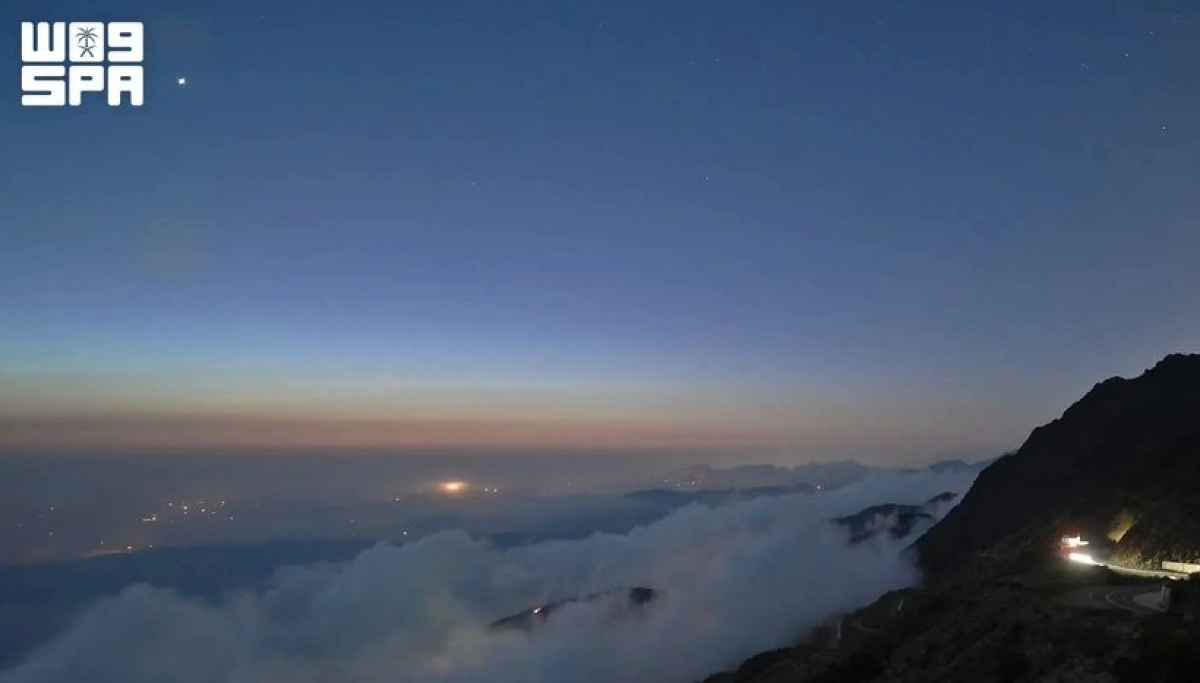
Astronomy enthusiasts are eagerly awaiting the appearance of the Suhail star on August 26, which marks the gradual decline of summer heat in the Arabian Peninsula. This star, located in the constellation Carina and approximately 310 light-years away from Earth, is the second-brightest in the night sky after Sirius. According to Mohammed Enad Al-Huzaimi, a member of the Astronomy and Space Club, Suhail's rising in the skies over the Northern Borders Region begins on August 26 each year at around 5:51 a.m., just one minute before sunrise at 5:52 a.m. Although Suhail cannot be seen with the naked eye initially due to the light of dawn and its proximity to the horizon, it usually becomes visible during the first third of September as it starts to rise earlier and climb higher above the southern horizon before sunrise.
Historically, Suhail has served as an important seasonal marker for Arabs, helping them track changes in the weather, shorter daylight hours, and the onset of cooler nighttime temperatures. It has also been linked to agricultural, grazing, and travel seasons, becoming an integral part of the Arabian Peninsula's astronomical and cultural heritage.
The star's appearance coincides with a period of seasonal transition caused by the Earth's orbit around the Sun, the gradual change in sunlight angle, and the lengthening of daylight. Traditional calculations indicate that the Suhail season lasts for 52 days, divided into four 13-day periods known as Al-Tarfah, Al-Jabhah, Al-Zubrah, and Al-Sarfah.
Al-Sarfah, in particular, has been associated with the gradual easing of intense heat, symbolizing the transition from the peak of summer heat toward more moderate conditions.
Written by urgent.news from Saudi Gazette's reporting — not their text. Machine-written — may contain errors; check the original before relying on it.
This story
This is one outlet's version. Read the fullest account.