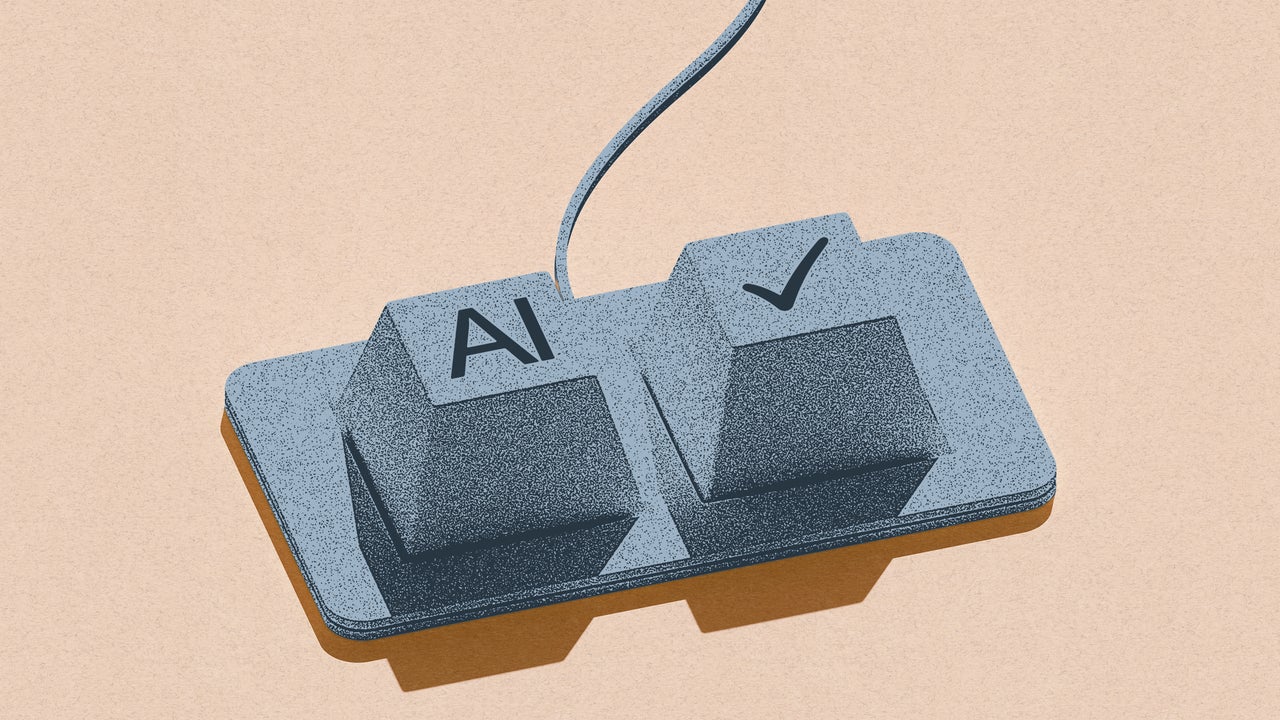
A technology that is not trusted is damaging education in a battle of deception and detection.
The story revolves around the conflict between deception and discovery, with the ultimate victim being trust in the educational system. The author describes their personal experience with an AI-powered tool called AI Humanizer, which claims to transform AI-generated text to look like it was written by a human. The author expresses their disdain for such a tool and explains how it functions, relying on probability-based algorithms and statistical processing of human language.
The tool can be used as both a weapon and a shield, depending on the intentions of those who employ it. Some students may disregard bans on AI usage and utilize it to gain an unfair advantage, while educators try to detect such instances using AI detection software. The absence of trust between students and educators becomes a hindrance to the learning process, making it more of a transaction than an educational experience.
The author suggests a middle ground, where students are encouraged to use AI responsibly and transparently if they have done so in the past. The goal is to foster a sense of ownership and appreciation for the learning process, rather than succumbing to the temptation of using AI hastily. The author expresses their hope that students will develop their own sense of responsibility and judgment, and that they will strive to be more genuine with each other in an age where surveillance is increasingly present in educational spaces.
The author ultimately believes that trust is essential for education, and they do not wish to contribute to its demise.
Written by urgent.news from Hankyoreh's reporting — not their text. Machine-written — may contain errors; check the original before relying on it.