NTU to stop using AI detectors from 2027: CNA
The decision was announced to faculty in an email.
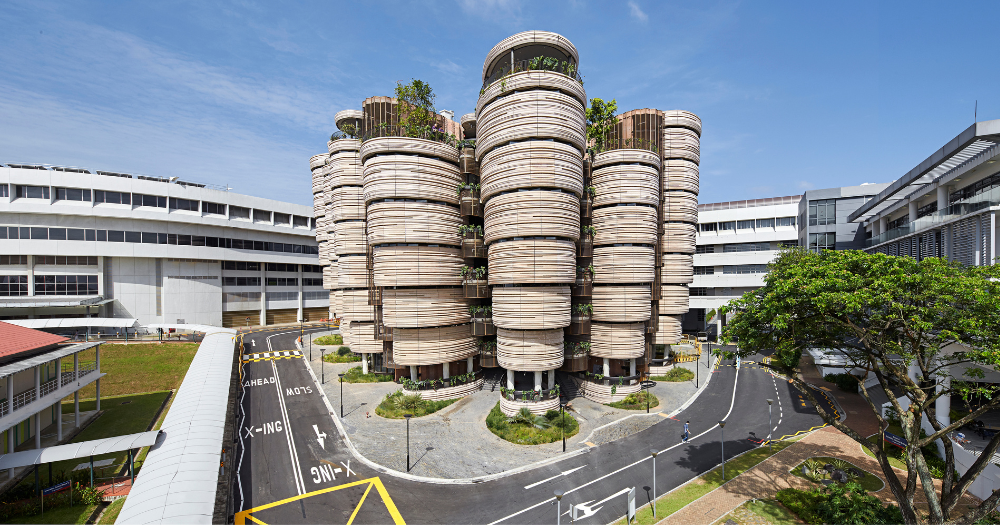
Nanyang Technological University (NTU) plans to discontinue the use of AI detection tools by the end of 2026, according to a report by CNA. This decision comes after a faculty email, dated August 13, 2026, highlighted the unreliability of these tools. Tan Seng Chee, NTU's associate vice-provost for education transformation, stated that these detectors are not accurate and cannot differentiate between unauthorized misconduct and responsible use of AI.
The university is transitioning to a more transparent approach, focusing on process-oriented documentation in assessments. This new method will evaluate student learning without the use of automated surveillance, which can create an atmosphere of mistrust and negatively impact psychological safety. NTU will also provide faculty with guidelines on how to handle the remaining AI detector tools during the current semester, including establishing disclosures and adapting an AI disclosure form.
Written by urgent.news from Mothership's reporting — not their text. Machine-written — may contain errors; check the original before relying on it.