Skeleton under Stirling Castle reveals first confirmed trebuchet death
A 14th-century skeleton found beneath Scotland’s Stirling Castle may be the first confirmed archaeological evidence of a person killed by a trebuchet. Researchers found more than 160 fractures, including 61 breaks in the skull and nearly 60 in the ribs. The injuries suggest the man was struck from behind by a high-speed boulder during the 1304 siege of the castle.
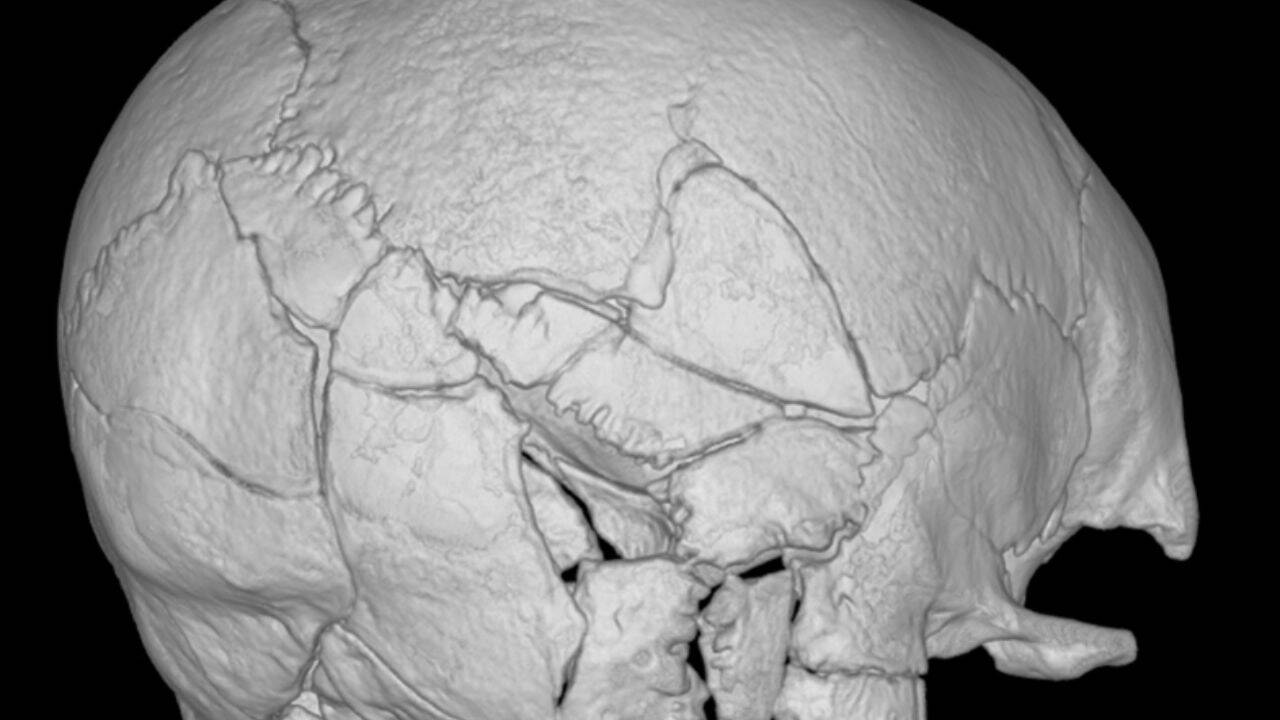
A human skeleton, discovered beneath Stirling Castle in 1997, may provide the earliest archaeological proof of someone being killed by a trebuchet, a medieval siege engine. The remains, known as Skeleton 150, belong to a defender who perished during an early 14th-century battle, possibly struck by a large boulder propelled by a trebuchet.
The nine skeletons unearthed at the site were buried beneath the chapel, with five dating back to the 1300s. These graves, located within the castle walls, suggest the individuals may have died during a siege. The extensive bone damage, including over 160 fractures, indicates the victim was struck by a high-speed object. A bioarchaeologist from the University of Bradford concluded that this pattern of injuries is consistent with death by a siege engine.
Stirling Castle, strategically positioned for conflicts between English and Scottish forces, fell to English troops in 1304 after a prolonged siege. The unique burial site and the severity of the injuries supporting the trebuchet impact theory have strengthened the archaeologists' conclusions.
Written by urgent.news from Times of India's reporting — not their text. Machine-written — may contain errors; check the original before relying on it.