Science Snapshots: August 16, 2026
Three recent important research developments, all readable in one minute
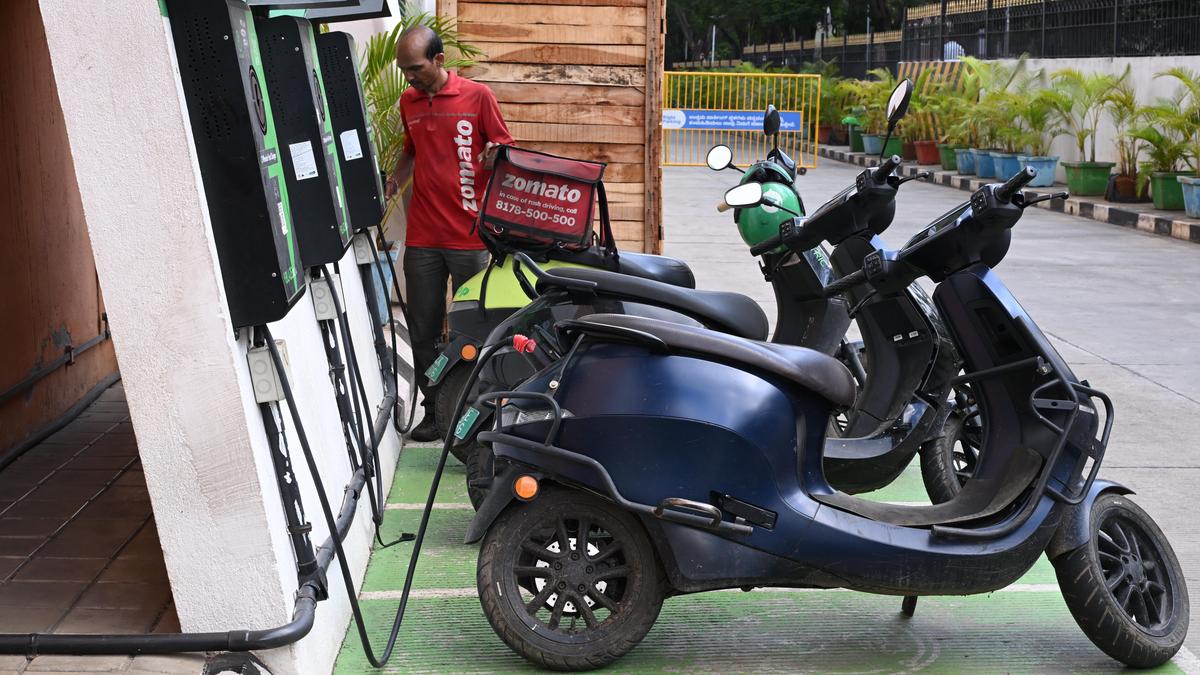
Choosing an electric vehicle over a gas-powered one is typically more environmentally friendly, according to a study on the life cycle of emissions. Although manufacturing an electric vehicle generates a carbon debt, the reduced emissions while driving usually offset this debt within a span of three years. Over the lifespan of the vehicle, swapping out a conventional gas car for an electric one can cut total carbon emissions by approximately 44 percent, encompassing cars, SUVs, and trucks.
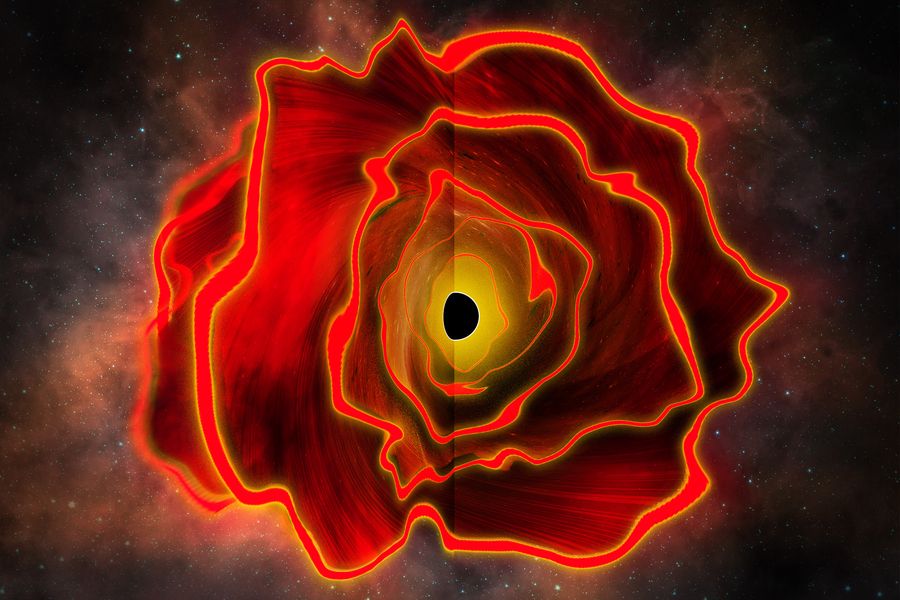
Astronomers have utilized the James Webb telescope to discover a supermassive black hole from the "cosmic dawn" era, existing just 660 million years after the Big Bang. This discovery, made possible by the telescope, revealed that the black hole is enveloped by a dense, thick layer of hydrogen gas, which appears to make the black hole heavier than it actually is. The researchers found that the gas scattering light in this way could lead to an overestimation of the masses of similar early black holes by up to 100 times.
Researchers have found that mice brains can preserve memories even as they undergo significant changes. When mice hibernate, their brain activity drops sharply, and over half of the synapses in the hippocampus vanish. However, upon waking up, the mice's memories remain intact. The researchers discovered that the brain maintains memory stability through individual connections as well as a specific arrangement of clustered synapses.
Although many individual connections are lost during hibernation, these clusters remain protected, ensuring memory storage.
Written by urgent.news from The Hindu - Sci-Tech's reporting — not their text. Machine-written — may contain errors; check the original before relying on it.