Indoor ‘feels-like’ heat soars to 52 degrees in Hong Kong subdivided homes: study
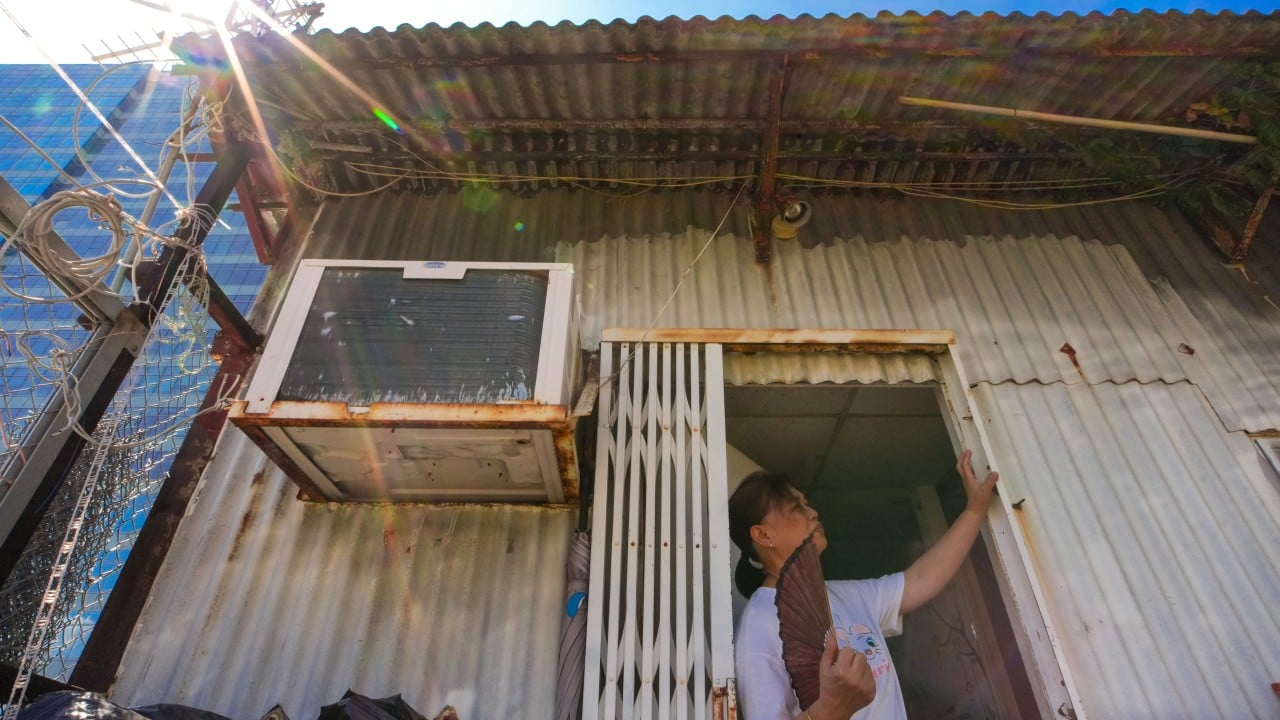
Indoor heat levels in Hong Kong’s subdivided flats and rooftop huts felt like a blistering 52.21 degrees Celsius (126 Fahrenheit) this summer, with 80 per cent of homemakers living in those homes reporting dizziness and headaches, according to a survey released on Sunday. The study, conducted by CarbonCare InnoLab and the Concerning Subdivided Units Alliance, surveyed 86 households across nine…
Hong Kong's Northern Metropolis University Town is transitioning from a mere planning concept to a tangible reality. After thorough site visits by a task force, the government has expanded the university town area to over 1,000 hectares, received 19 proposals from local institutions, and initiated phased site tendering and development.
This development represents more than just a land-use or campus-planning exercise; it is a test of Hong Kong's higher education system in a changing world. The context around universities has shifted dramatically, with academic cooperation now influenced by geopolitics, security concerns, talent competition, and the need for strategic relevance.
The global balance of academic and innovation power is also shifting, with Chinese universities gaining prominence in fields like artificial intelligence, green technology, and advanced manufacturing. Hong Kong, which hosts a concentration of highly ranked universities, is in a unique position to redefine the role of universities in its future.
The university town should not merely build more campuses or attract more prestigious names; it should create institutions that connect Hong Kong to the world while also making the world more connected to China. As international academic cooperation becomes more securitized, Hong Kong needs a new model that respects national security while preserving academic vitality, exchange, and global credibility.
The university town can also serve an economic purpose, with Chinese firms needing more than symbolic partnerships with universities. Instead, industry-academia collaboration should lead to capacity building and co-creation. The university town should also be evaluated in its broader regional context, particularly the Greater Bay Area, for its potential to improve efficiency, strengthen cross-border spillovers, and support the movement of talent, knowledge, and innovation.
As a bridge between societies, Hong Kong can help reduce misunderstandings by providing a safe, internationally familiar but China-connected space for exchange. The success of the university town should be measured by its alignment with national needs, its contribution to Hong Kong's quality, and its ability to produce graduates and research that matter.
In essence, the university town is about whether Hong Kong can build a university town that supports real transformation for the city, the Greater Bay Area, and China.
Written by urgent.news from South China Morning Post's reporting — not their text. Machine-written — may contain errors; check the original before relying on it.
This story
This is one outlet's version. Read the fullest account.