India wants to tap technology to prevent exam paper leaks, but experts say it’s not so simple
In the first of a three-part series on education issues in India, CNA studies how it can better tap technology to prevent exam paper leaks that sparked the student-led protests across the country in June.
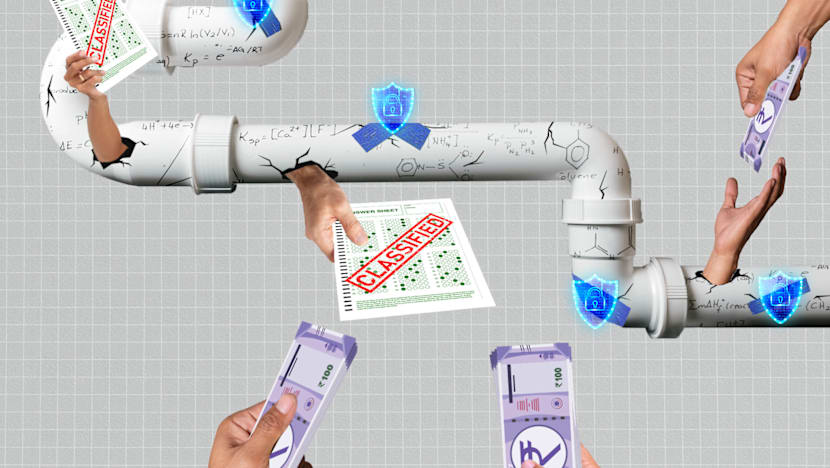
In India, a wave of student-led protests erupted in June after a leak of the National Eligibility cum Entrance Test (NEET) paper sparked stress, uncertainty, and pressure among medical students. At least 20 students reportedly took their own lives due to the crisis surrounding the leak. The government subsequently appointed a task force led by Nandan Nilekani, co-founder of Infosys and architect of Aadhaar, to recommend tech reforms for the examination system.
However, experts argue that simple technological fixes may not be enough to prevent exam leaks and restore trust in the system.
Experts contend that a single high-stakes exam like NEET can throw the futures of over 2.2 million students into turmoil, forcing the nation to confront the larger question of whether technology can secure high-stakes tests or if the examination system itself needs to be redesigned. While technology can make leaks harder, it will not automatically restore trust, as experts note.
Wally Dalrymple, chief security officer at Educational Testing Service (ETS), explains that computer-based testing alone does not solve the integrity problem, as it merely relocates the issue. Instead, countries that have addressed exam security effectively have moved beyond the notion that a single fix can solve the problem. The NEET leak has already led to a criminal investigation, with 13 people, including NTA subject experts and coaching-center operators, arrested by India's Central Bureau of Investigation.
However, experts argue that the focus should be on examining the design of India's examination system, rather than solely investigating who leaked the paper.
Former secretary of India's Ministry of Education, R Subrahmanyam, suggests replacing the make-or-break NEET exam with multiple test dates and dynamically generated, equally difficult papers. This approach would minimize the impact of a leak, as compromising one paper would have less effect on students' academic prospects. Cybersecurity researcher Sai Krishna points out that India's physical-paper-based model is vulnerable due to the long chain of custody involved in the exam process.
Each handoff, from question setters to printing presses, transport contractors, and exam centers, creates another human trust point that can be compromised, undermining the entire system.
Experts emphasize that India should not search for a single technology to copy from other countries, but rather adopt a common principle of reducing the value of a single leak. Successful exam security systems, such as China's stringent measures, involve treating question papers as state secrets and implementing strict chain-of-custody procedures, including police escorts and GPS-tracked vehicles.
However, China's approach is still paper-based, and the country continues to adapt its security measures in response to emerging threats.
Written by urgent.news from Channel News Asia's reporting — not their text. Machine-written — may contain errors; check the original before relying on it.