As India seeks to prevent exam paper leaks, what can it learn from other countries?
In the first of a three-part series on education issues in India, CNA studies how it can better tap technology to prevent exam paper leaks that sparked the student-led protests across the country in June.
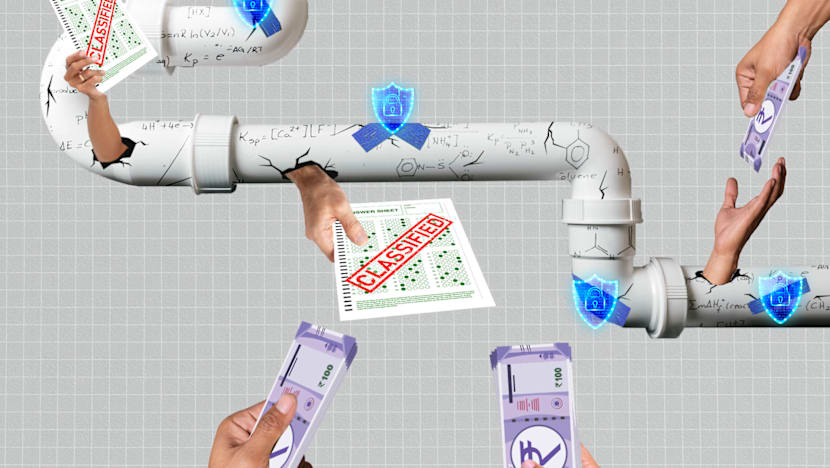
In a three-part series on education issues in India, CNA explores how the country can leverage technology to prevent exam paper leaks that resulted in student suicides in June. The National Eligibility cum Entrance Test (NEET), India's biggest pre-medical test, was compromised, leading to at least 20 medical students taking their own lives due to stress and uncertainty.
This incident sparked nationwide student protests and the resignation of India's Education Minister Dharmendra Pradhan. The government has appointed a task force led by Nandan Nilekani to recommend tech reforms to the exam system.
Experts argue that the NEET leak exposed a fundamental issue: a single exam can disrupt the futures of over 2.2 million students. While technology can deter leaks, it alone cannot restore trust. Experts emphasize that India must reassess its examination system, which relies on one high-stakes paper with numerous human custody points and fragmented accountability.
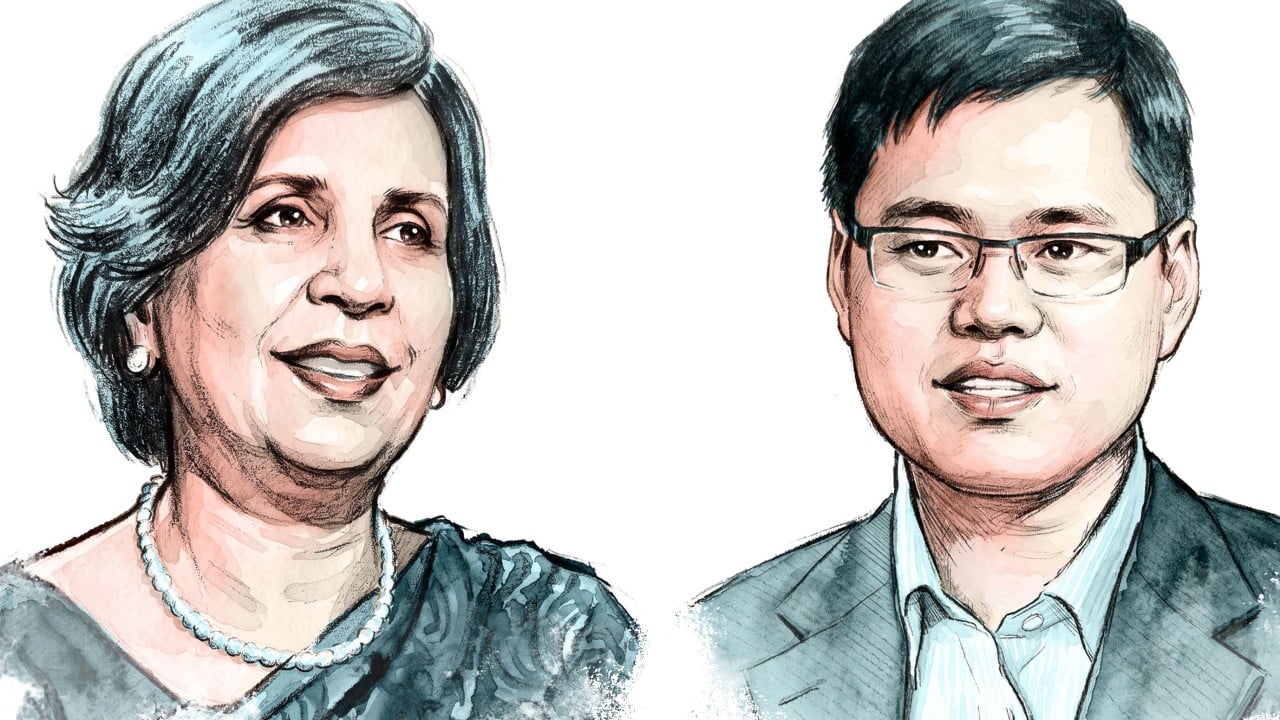
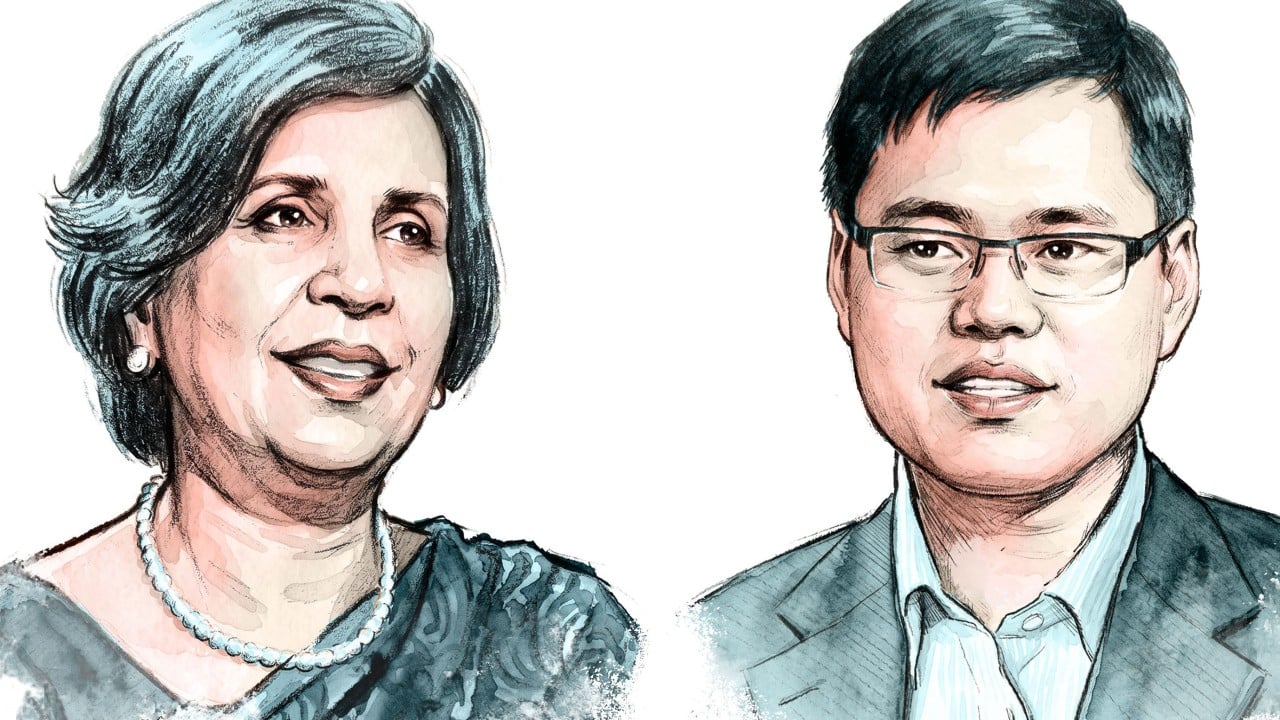
Former secretary of India’s Ministry of Education, R Subrahmanyam, suggests replacing the NEET with multiple test dates and dynamically generated, equally difficult papers to minimize the impact of a leak.
Cybersecurity researcher Sai Krishna points out that India's paper-based model is vulnerable due to its long physical chain of custody, with each handoff creating a potential trust point. Compromised insiders in printing, transport, or examination centers have historically caused leaks. Major exam leaks in India have typically originated from these insiders, not sophisticated cyberattacks. Security experts advise India to focus on reducing the value of a single leak rather than seeking a single technology solution.
Written by urgent.news from Channel News Asia's reporting — not their text. Machine-written — may contain errors; check the original before relying on it.
This story
This is one outlet's version. Read the fullest account.