How to climate-proof your garden: The plant swaps I'll be making for next summer
Adapt your garden to our changing climate wth plant swaps that can beat the heat.
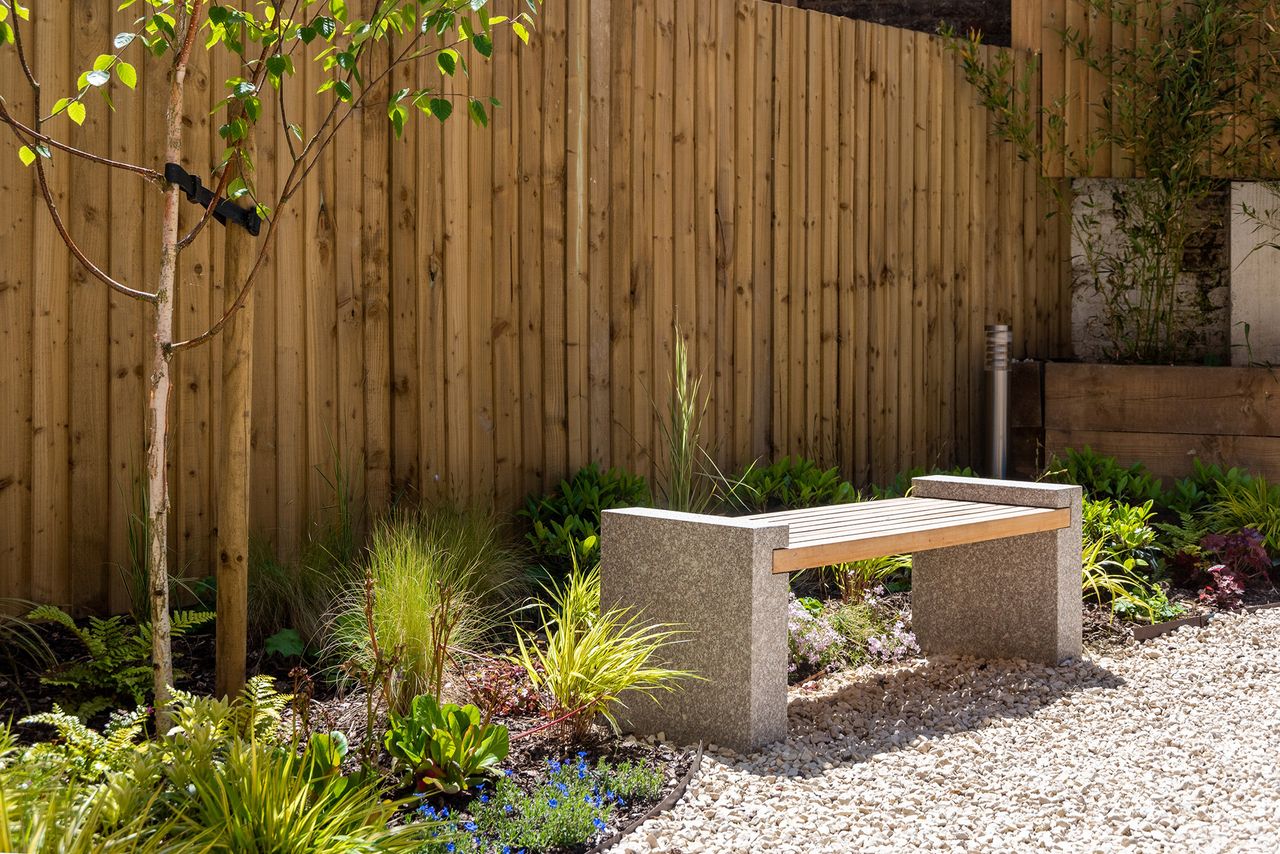
The recent summer weather has been abnormal, leaving gardens across the country in a state of distress. Favorite plants are suffering under the intense heat and many are feeling the strain. While maintaining soil health, smart watering practices, and providing shade are essential for garden resilience, we must also learn to adapt to the changing climate.
Gardener is determined to not abandon their garden even with the challenging conditions. They have decided to make significant changes to their garden for the following summer. Their strategy begins with identifying plants that can withstand the heat.
After assessing their local area and beyond, they found several plants that are thriving despite the challenging weather conditions. They identified five plants that are particularly heat-tolerant and easy to grow. Here are their top picks:
1. Agapanthus: Agapanthus is a showstopping perennial, also known as African Lily. It features delicate globe-shaped clusters of flowers and thrives in the heat, making it drought-resistant. It prefers full sun and well-drained soil. It should be planted with ornamental grasses, daylilies, or lavender.
2. Verbena bonariensis: Native to South America, Verbena bonariensis boasts airy purple flowers that reach 3-6 feet tall. It is drought-resistant and can thrive in various soil types as long as the drainage is good. It's best grown in full sun and can be used to fill spaces in mixed borders.
3. Achillea millefolium: Also known as yarrow, this plant features feathery, fern-like leaves and tiny flowers that come in white, yellow, pink, or red. It's highly drought-tolerant, thrives in direct sun, and prefers poor soil. It should be planted with coneflowers, bee balm, or sedum.
4. Sedums: Known as stonecrop, sedums have fleshy leaves that store moisture, making them perfect for dry gardens. They feature star-shaped flowers that change color throughout the season. They prefer poor soil and dry conditions. They can be paired with coneflowers, yarrow, or salvias.
5. Eryngium: Known as sea holly, this striking perennial has silvery-blue thistle-like flower heads that add structure to the garden. It thrives in full sun and prefers sandy or rocky, well-drained soil. It should be paired with alliums, ornamental grasses, or coneflowers.
Gardener is eager to see how these plants fare in the upcoming summer, hoping to adapt to the changing climate and protect their garden from further damage.
Written by urgent.news from Tom's Guide's reporting — not their text. Machine-written — may contain errors; check the original before relying on it.