Fur traders brought Arctic foxes to Alaska; seabird losses reshaped islands
Arctic foxes introduced to more than 400 Alaskan islands for fur had an unexpected impact on the ecosystem. By preying on seabirds, they reduced the flow of nutrient-rich guano from the ocean to land. Researchers found that fox-free islands had far more seabirds, richer soil and much more grass, while fox-infested islands shifted towards shrubs and forbs.
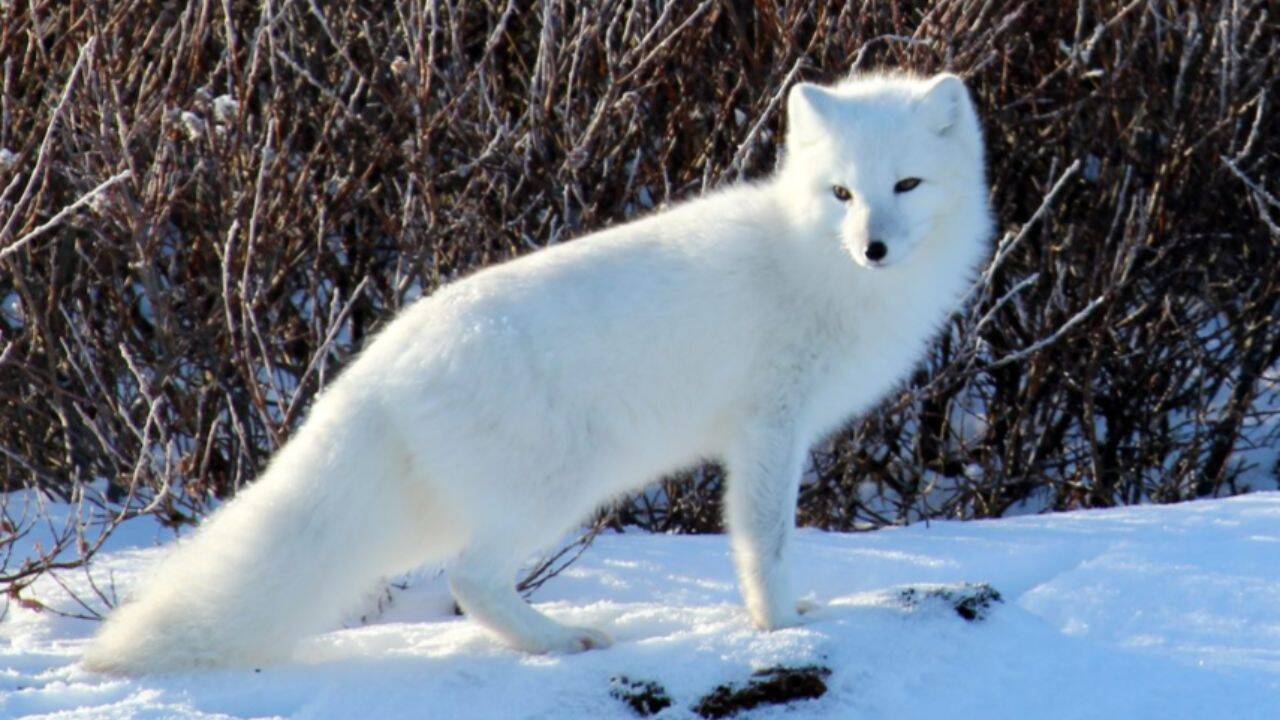
In the late 19th and early 20th centuries, fur traders introduced Arctic foxes to more than 400 Alaskan islands for their fur, but the impact extended far beyond just wildlife. A study published in Science revealed that by preying on seabirds, these foxes altered the nutrient flow from the ocean to the land, transforming some Aleutian Islands from grasslands into maritime tundra.
The foxes were introduced as an alternative fur source, but their presence led to significant changes. Researchers compared 18 fox-infested islands against nine fox-free ones within the Aleutian archipelago, examining seabird populations, soil nutrients, and plant communities. Seabird numbers were nearly 100 times higher on fox-free islands, with annual guano input dropping from a median of 361.9 grams per square meter to just 5.7 grams on fox-infested islands. This guano loss reduced soil phosphorus levels by more than three times on fox-infested islands.
The impact on soil fertility was evident in the vegetation as well. Grass biomass was nearly three times higher on fox-free islands, while shrub biomass was about 10 times lower on fox-infested islands. The nitrogen content of grasses and forbs was also higher on the fox-free islands. This suggests that the foxes indirectly affected plants through their impact on seabird populations.
To test this theory, scientists conducted a fertilisation experiment on a fox-infested island over three years. Fertilised plots experienced a 24-fold increase in grass biomass, with grass dominance rising from about 22% to 96%. In contrast, control plots showed little change. This experiment provided strong evidence that nutrient availability from seabird guano was driving the contrasting plant communities.
Further evidence came from nitrogen isotope measurements, which showed that soils, plants, and several terrestrial animals on fox-free islands received more nitrogen from marine sources. This suggested that seabird colonies played a crucial role in transferring nutrients from the ocean into the island ecosystem.
In response, restoration efforts in the Aleutian Islands have removed Arctic foxes from most islands within the Alaska Maritime National Wildlife Refuge. Despite their small size, Arctic foxes are resilient hunters and opportunistic feeders, capable of surviving on a variety of food sources when food is scarce.
Written by urgent.news from Times of India's reporting — not their text. Machine-written — may contain errors; check the original before relying on it.