Chokepoints and the cost of cutting off access
In 2022, Ukraine asked SpaceX CEO Elon Musk to activate Starlink coverage around Sevastopol to support an attack on Russia’s Black Sea Fleet. He refused, saying SpaceX would become “explicitly complicit in a major act of war”; he later also cited US sanctions covering Crimea. At the moment that mattered, one private actor had the final say. It exposed a question hidden inside every chokepoint. We…
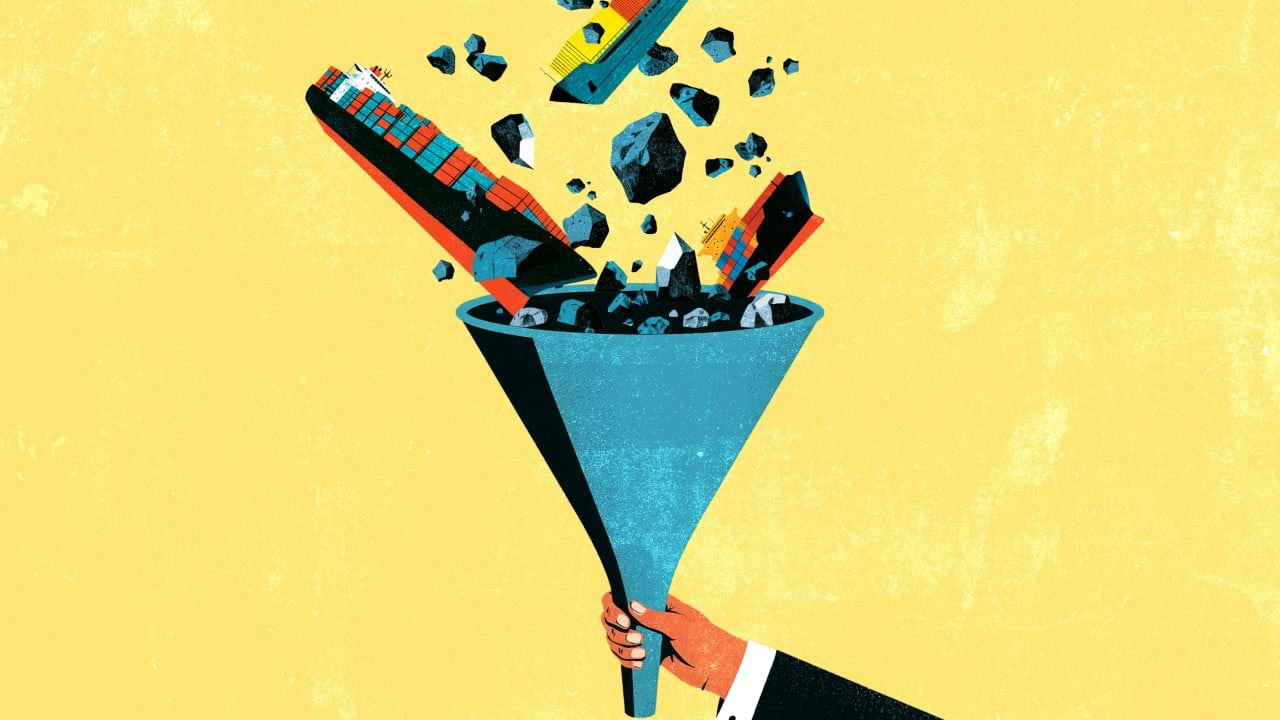
In 2022, Ukraine sought SpaceX CEO Elon Musk to expand Starlink coverage around Sevastopol to bolster an offensive against Russia's Black Sea Fleet. Musk declined, citing US sanctions on Crimea. The incident highlighted a critical question at chokepoints: who makes the decision? A chokepoint exists when dependence on a resource, route, or technology is significant, and access requires considerable risk or commitment.
China has long grappled with this concept, exemplified by its deep reliance on the Strait of Malacca for energy imports, leading to the "Malacca dilemma." Similarly, the Strait of Hormuz, controlled by Iran, has proven to be a potent chokepoint, disrupting global oil and gas trade and triggering repercussions globally. Technological chokepoints, too, exert significant influence.
For instance, Japan's stringent export controls on certain materials to South Korea during a dispute led to diversification of suppliers and local production. Conversely, when alternatives are unavailable, chokepoints become even more valuable. The ultimate decision-maker in chokepoints can be a single individual, as demonstrated by Musk's refusal to expand Starlink coverage in Sevastopol.
The concentration of decision-making power at a chokepoint can amplify leverage while simultaneously paving the way for alternatives to emerge over time. The emerging field of low Earth orbit satellite networks, such as SpaceX's Starlink with over 10,000 satellites, China's Guowang constellation with plans for roughly 13,000, and Amazon's Leo with nearly 400, presents a new frontier of chokepoints.
The risk lies in the potential for a single entity to control access to these networks, highlighting the need for a deeper understanding of who holds the final say in such critical decision-making processes.
Written by urgent.news from SCMP Tech's reporting — not their text. Machine-written — may contain errors; check the original before relying on it.