Breaking myths, building trust: Why better HIV reporting matters in Ghana
Ghana AIDS Commission and AHF urge journalists to move beyond statistics and produce ethical, stigma-free HIV reporting that builds public trust.
The Ghana AIDS Commission, in collaboration with development partners, has highlighted the crucial role the media plays in combating HIV in the country. However, the journalists have been urged to transcend beyond mere statistics, commemorative events, and crisis-driven coverage. Instead, they are being encouraged to produce reporting that fosters trust, safeguards dignity, and assists individuals in accessing essential services.
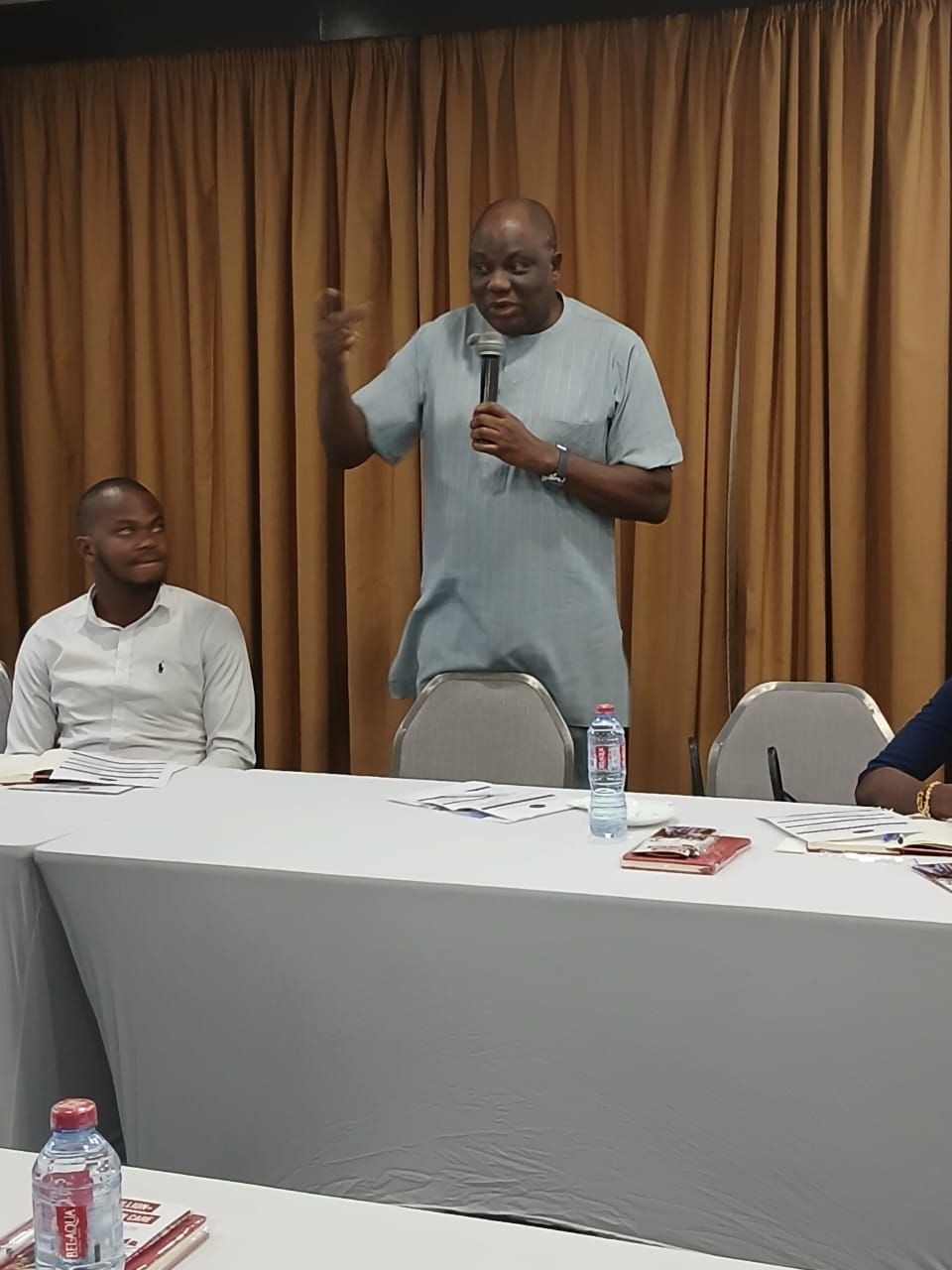
During a Media Capacity Building Workshop on HIV Reporting in Ghana, journalists examined the ways in which media coverage can either challenge HIV stigma or inadvertently perpetuate it. The programme, organized by the Ghana AIDS Commission and development partners, noted that while HIV remains a prominent subject in the media, most coverage focuses on figures, sponsored programs, World AIDS Day activities, and other significant events.
Dr. Ekua E. Houphouët, the Country Programme Manager of the AIDS Healthcare Foundation (AHF), emphasized that accurate reporting saves lives and builds trust. Participants were encouraged to delve deeper by considering what the figures mean for people, what services are available, and where gaps remain in the HIV response. HIV stories often commence and conclude with statistics: new infections, people on treatment, AIDS-related deaths, or testing figures.
While these numbers matter, trainers urged journalists to contextualize them and link them to people's lived experiences.
The workshop emphasized the importance of featuring a diverse range of voices, including people living with HIV, healthcare workers, adolescent girls, families, and other populations affected by the epidemic. However, journalists were reminded that human-interest reporting should never infringe upon privacy or dignity. Stigma can manifest in headlines, photographs, interviews, commentary, and even seemingly innocuous descriptions.
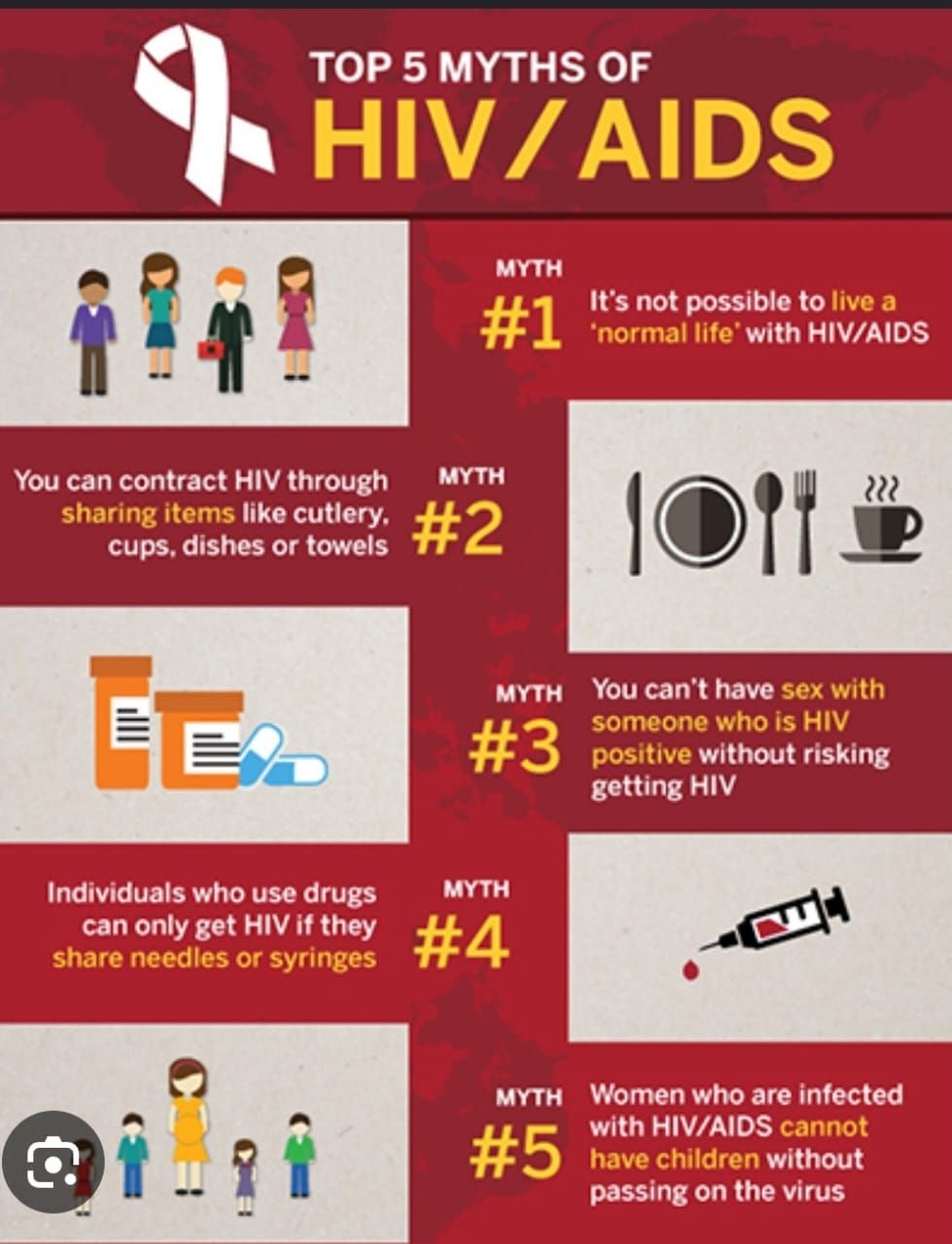
One of the significant challenges in HIV reporting is the prevalence of unverified cure claims. These rumors can rapidly disseminate through radio, social media, and WhatsApp, reaching wide audiences before health authorities or experts have the chance to respond. The workshop urged journalists to clearly differentiate between facts, opinions, rumors, and unverified claims.
Health claims necessitate verification, context, and a harm assessment before publication. Journalists were also encouraged to question the statistics they receive, rather than merely reiterating them. A statistic devoid of context can be misleading.
The workshop underscored the importance of confidentiality. Journalists should question whether the person's identity is essential to the public-interest purpose of the story and whether the person fully comprehends how the material will be used. Informed, voluntary, and pressure-free consent should be obtained before publishing an HIV-related story.
Ultimately, Ghana's HIV response hinges not only on medicines, testing, and prevention programs but also on public trust. This trust can be fortified when journalists report accurately, rigorously question claims, and provide a platform for people living with HIV to share their stories without exposing them to additional stigma.
Written by urgent.news from 3News's reporting — not their text. Machine-written — may contain errors; check the original before relying on it.