UK researchers are growing miniature human tissue from NHS patient cells to improve drug testing
The work is part of the government's plan to reduce the use of animals in research by expanding alternatives known as new approach methodologies. These include organoids, organs-on-chips and AI tools that can process biological data and model disease. Read Entire Article
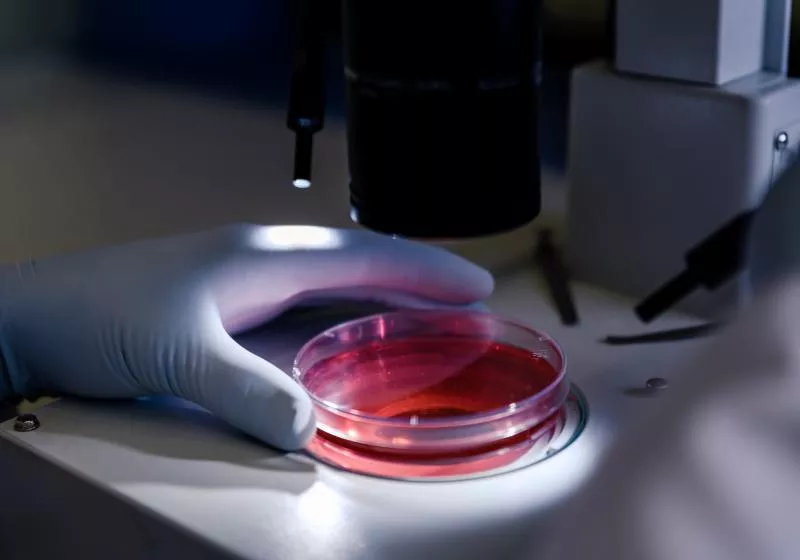
A new £20 million research center in Cambridge, UK, will generate miniature human tissue from NHS patient cells to enhance drug testing and better mirror diseases. This initiative aims to create a library of organoids - tiny clusters of cells that replicate vital organ traits and functions. These standardized models will be accessible to researchers and pharmaceutical firms seeking treatments with a higher chance of success in patients.
The project aligns with the government's goal to diminish animal usage in research by promoting alternatives like organoids, organs-on-chips, and AI-driven biological data analysis.
Scientists have been cultivating organoids for over a decade, typically measuring less than a millimeter but capable of demonstrating how diseases impact cells and their reactions to medicines. By growing organoids from tissue samples of patients with specific conditions, researchers can evaluate whether a treatment is effective across a patient group or solely in individuals with a particular disease variant.
At the Cambridge site, experts will develop models for various purposes, including inflammatory bowel diseases, cancer, and neurological disorders. They will also focus on generating heart tissue and electrically active brain cells.
The primary objective is to test drugs in human tissue during earlier stages of development. Current statistics reveal that over 90% of drugs passing animal tests ultimately fail in human trials. Organoids could assist drug developers in identifying unsuitable candidates before advancing treatments to animal studies or clinical trials. While animal testing will persist for certain inquiries, researchers anticipate that these new models will significantly reduce the number of animals employed in research.
The government has allocated an additional £2 million through Innovate UK to nine projects aimed at decreasing animal usage in safety testing. One company, VivoSphere, is cultivating heart cells in small gel spheres for cardiac safety evaluations. Traditional animal-based research often involves 50 to 100 animals, such as guinea pigs, rabbits, and dogs.
Juliet Dukes of Replacing Animal Research posits that organoids, organs-on-chips, and comparable lab-based systems could facilitate personalized medicine by enabling researchers to study treatments using models based on individual patient biology.
Written by urgent.news from TechSpot's reporting — not their text. Machine-written — may contain errors; check the original before relying on it.