Have Trouble Sleeping in a New Place? Most Do Because of the First-Night Effect
(MedPage Today) -- The first night in a new place is always the same for Robinson Leoni: He takes longer to fall asleep, wakes up more often during the night, and gets less sleep overall. At home he averages 7 hours. The first night away --...
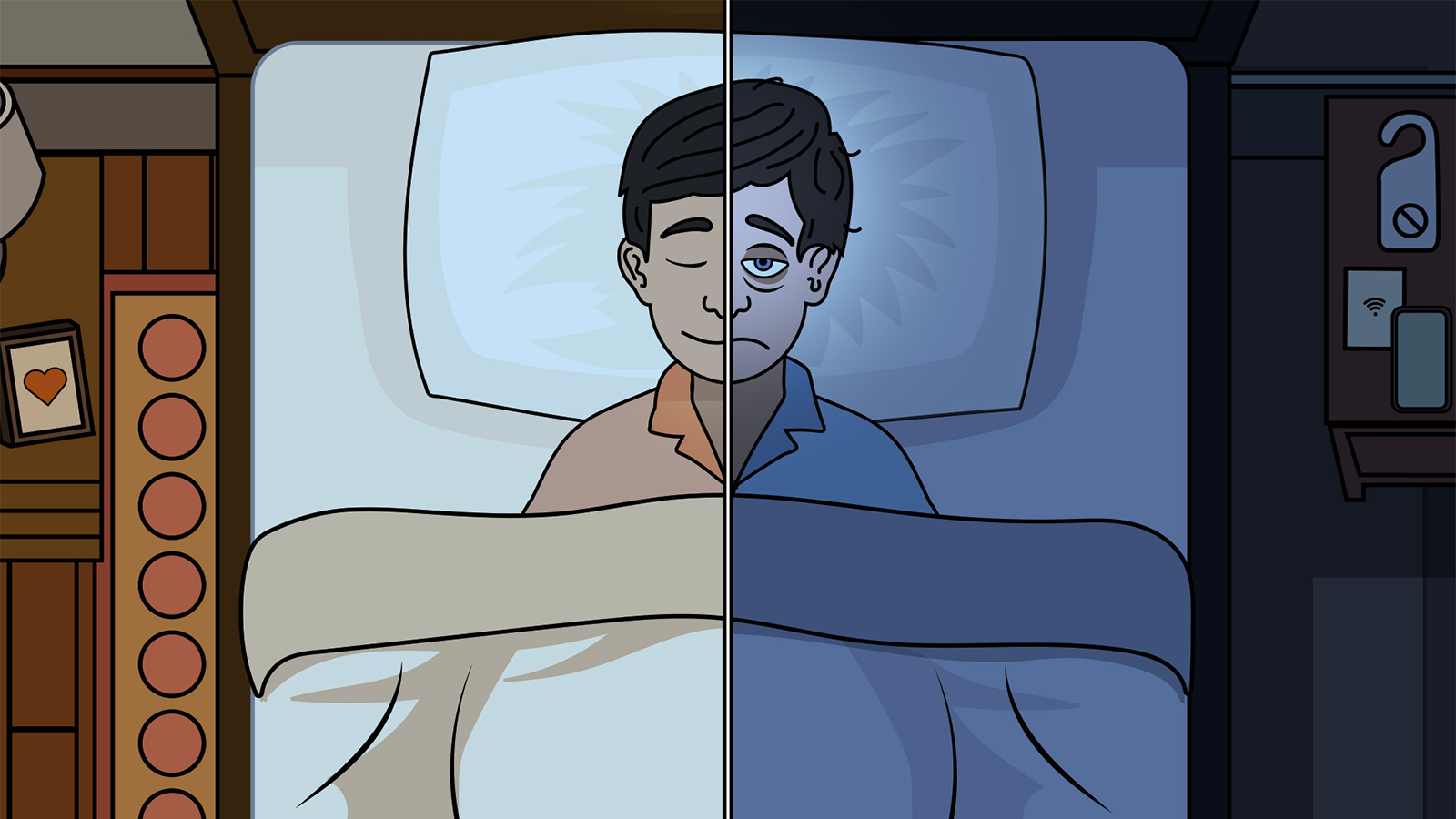
Traveling to a new location often disrupts sleep patterns, a phenomenon known as the "first-night effect." Robinson Leoni, a tech company sales director, experiences difficulty falling asleep, frequent awakenings, and reduced overall sleep duration, even when using earplugs and regardless of bed quality. Sleep specialists attribute this to an evolutionary adaptation, where the brain remains vigilant in unfamiliar environments.
Research shows that people generally sleep 20-30 minutes less in new settings, with the effect being more pronounced in children, adolescents, and older adults. The frontal lobe, linked to deep sleep, exhibits increased activity, indicating heightened alertness. The effect may fade after the first night, but factors like anxiety, environmental disturbances, and baseline anxiety levels can exacerbate it.
To improve sleep on the first night, experts recommend adhering to sleep hygiene practices, personalizing the environment, and employing relaxation techniques to counteract feelings of alertness and hypervigilance.
Written by urgent.news from MedPage Today's reporting — not their text. Machine-written — may contain errors; check the original before relying on it.