‘Ashoka-era stupa, bigger than Sanchi’: 90 years on, Ujjain mound comes under renewed focus
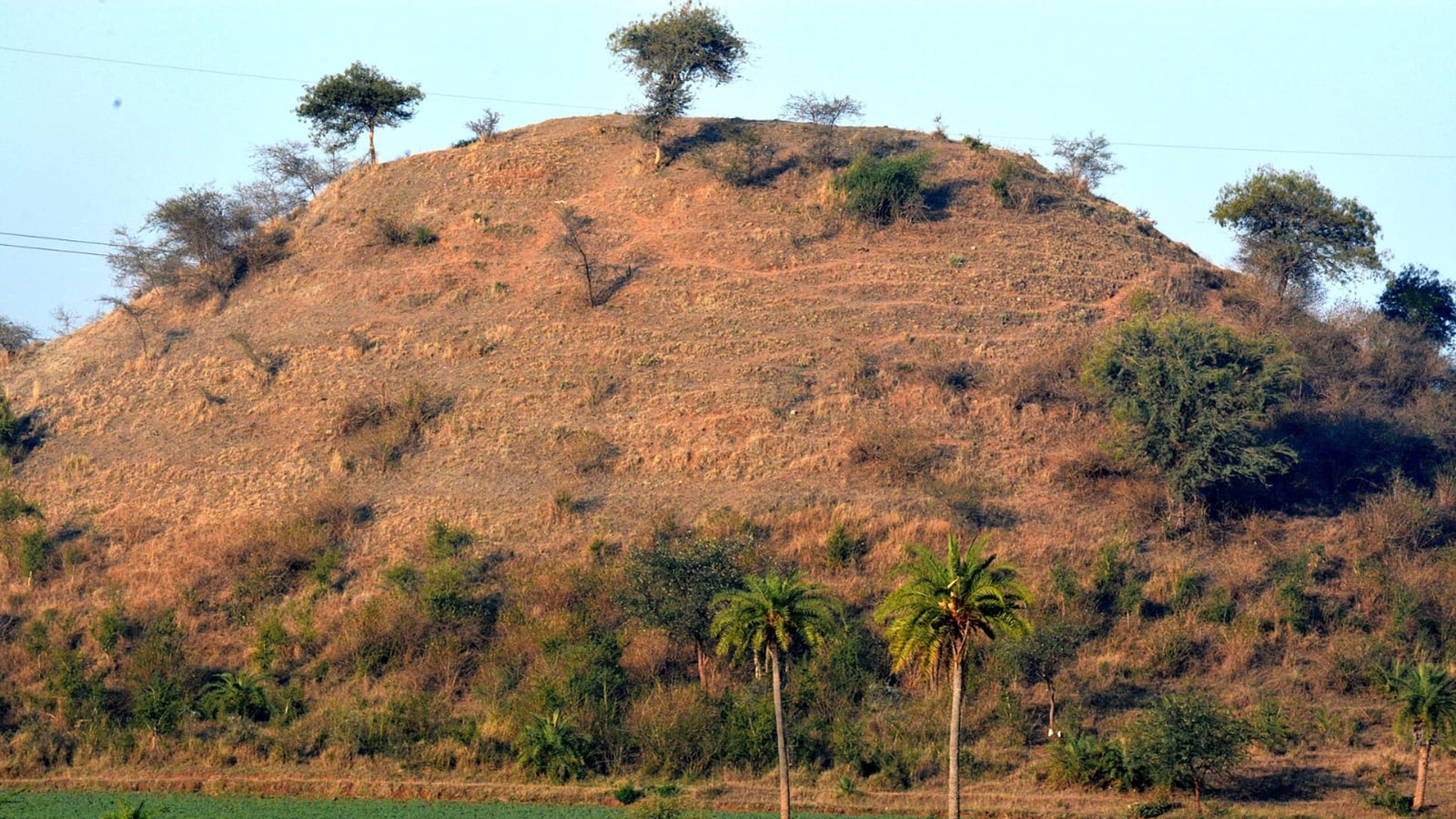
The Madhya Pradesh government has revived interest in excavating and restoring a Mauryan-era monument known as Vaishya Tekri, located in Ujjain. This effort follows a long gap of almost 90 years since the last excavation in 1938-39. Chief Minister Mohan Yadav is particularly keen on expediting the project, which holds historical significance for the state.
Ujjain was once an important city during the Mauryan Empire, and Ashoka, the renowned emperor, was traditionally associated with it prior to his reign. Dr. Shivakant Bajpai, an ASI Superintending Archeologist, informed The Indian Express that a proposal has been submitted to the Archaeological Survey of India (ASI) for the excavation, with the process expected to take three to several years for completion.
The Archaeological Survey of India (ASI) speculates that a stupa larger than its famous counterpart at Sanchi might be present at Vaishya Tekri. However, further scientific examination is required to confirm this theory. The renewed focus on Vaishya Tekri is significant because initial excavations in 1938-39 already established that the mound was not a natural formation but the remains of a major stupa.
The original excavation report described Vaishya Tekri as a "huge stupa", with a base approximately 350 feet in diameter and a height of at least 100 feet. This is considerably larger than the Sanchi stupa, which stands at around 54 feet in height. The name "Tekri" is derived from the queen of Emperor Ashoka, who hailed from the Vaishya or merchant community.
Ashoka is believed to have constructed a palace there during his viceroyalty of Ujjain. However, earlier archaeologists dismissed the tradition of Ashoka's association with the site, stating that excavations did not support this claim. The report from 1938-39 revealed that the monument's core was made from locally sourced blackish murum, which was compacted to form a massive base.
The exterior of the stupa was faced with brick masonry, held together by mud mortar. The bricks used in the structure were exceptionally large, with some measuring up to 22¼ inches by 18¼ inches by 3¾ inches. The excavators found coins, a punch-marked coin, and a cast Avanti coin, which provided further evidence of the monument's Mauryan origin.
The architects of the stupa also altered the landscape around it, creating a moat-like square surrounding the monument and a passage through the moat for worshippers arriving from the city. However, much of the monument has been lost over time. The surviving facing of the stupa is severely damaged, making it difficult to determine its exact plan and elevation.
Additionally, the top portion of the stupa has eroded away, possibly due to erosion over time. The modern challenge lies in securing control of the archaeological site, as the government and ASI must first acquire the surrounding private land for around Rs 40 crore before excavation can commence.
Written by urgent.news from The Indian Express - India's reporting — not their text. Machine-written — may contain errors; check the original before relying on it.
This story
This is one outlet's version. Read the fullest account.