‘Ashoka-era stupa, bigger than Sanchi’: 90 years on, Ujjain mound comes under renewed focus
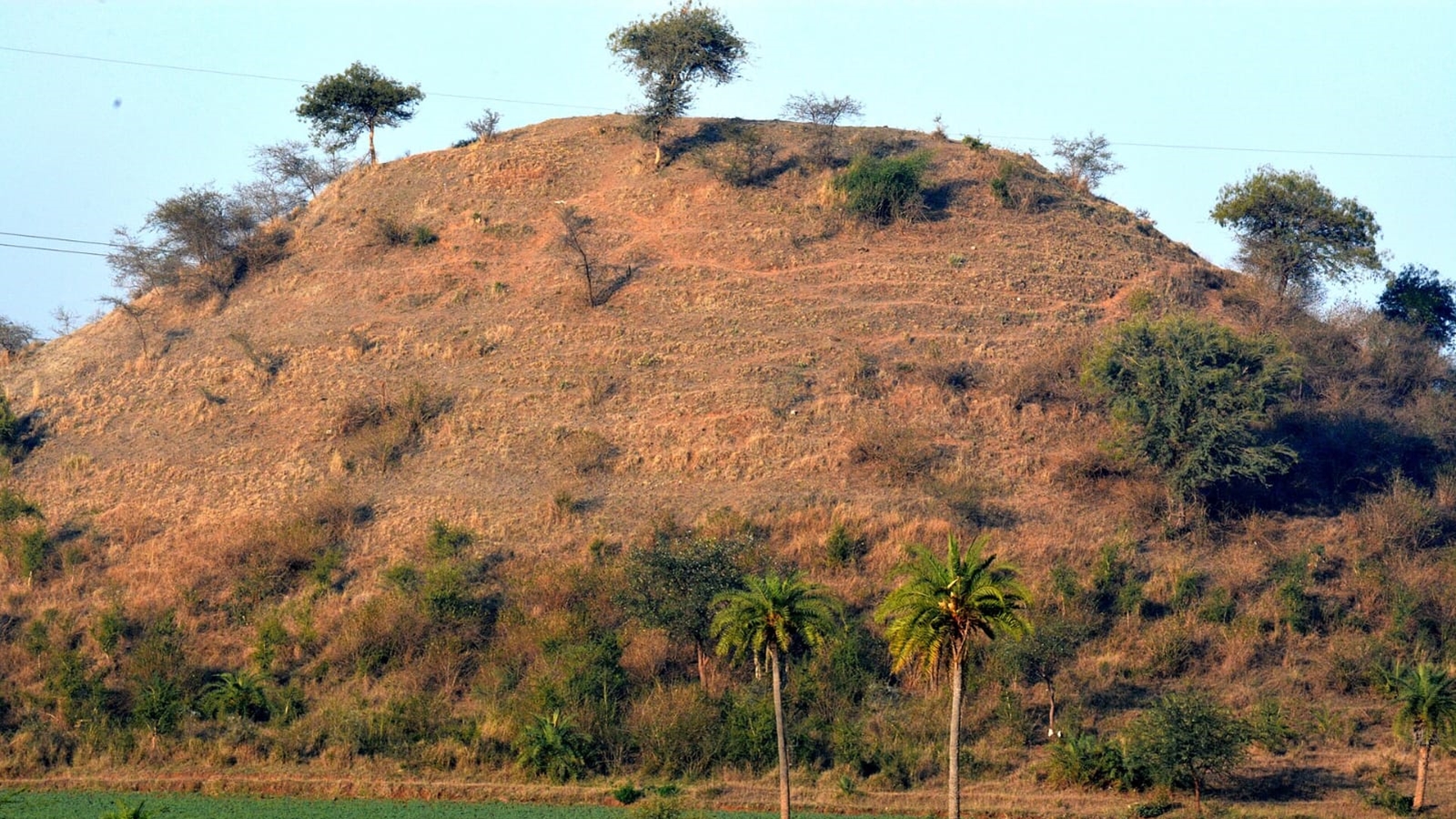
The Indian state of Madhya Pradesh is embarking on a renewed excavation and restoration project of an Ashoka-era stupa at the Vaishya Tekri mound in Ujjain. This comes 90 years after the first dig by the Archaeological Department of the erstwhile Gwalior State, which established the mound as the remains of a major stupa. Chief Minister Mohan Yadav has expressed interest in accelerating the excavation and preservation of the site, which holds both local historical significance and broader regional importance.
Ujjain was an important city during the Mauryan era, and Emperor Ashoka was traditionally associated with it before ascending the throne. Dr Shivakant Bajpai, Superintending Archaeologist from the Archaeological Survey of India (ASI) in Bhopal, stated the project would likely take at least three years for excavation and several more years for restoration, with the objective of restoring the stupa without causing damage to the site.
The ASI believes a stupa larger than the famous Sanchi stupa may exist at Vaishya Tekri, but a deeper scientific study is required to confirm this. The excavation of Vaishya Tekri in 1938-39 had already found that the mound was not a natural formation but the remains of a massive stupa, described as having a base of approximately 350 feet in diameter and a height of at least 100 feet.
The stupa's core was made from local blackish murum, compacted to form a massive central structure, while the exterior was faced with large brick masonry laid in mud mortar. The bricks used were exceptionally large, measuring up to 22¼ inches in length and 15¼ inches in width. Coins found during the 1938-39 excavation, a punch-marked coin and a cast Avanti coin, further suggested a connection to Ashoka, although the ASI later noted that while it was possible the stupa was one of many built by him, this was not established fact.
The original excavation also revealed significant engineering features, including a bowl-like shape at the base of the stupa to support its superstructure and counteract the pressure from the overlying material, and an ingenious engineering device using a moat surrounding the stupa. However, the 1938-39 excavation report also noted that much of the stupa had already been lost, with the surviving structure only slightly less in proportion to its base compared to other stupas of the period, likely due to erosion of the top portion.
The modern challenge now lies in securing control of the archaeological site, as the Ujjain district administration has proposed acquiring surrounding private land for Rs 40 crore to allow excavation to commence.
Written by urgent.news from The Indian Express's reporting — not their text. Machine-written — may contain errors; check the original before relying on it.