Why the Gulf’s economy has defied early war predictions
When the US war with Iran began in late February, the prevailing economic assumption was that oil prices would surge, financial markets would become volatile, and Gulf economies would suffer a temporary shock before quickly recovering. Five months on, those assumptions have proven far too shortsighted. The initial concern was primarily about there just being an oil price shock, and a short-lived…
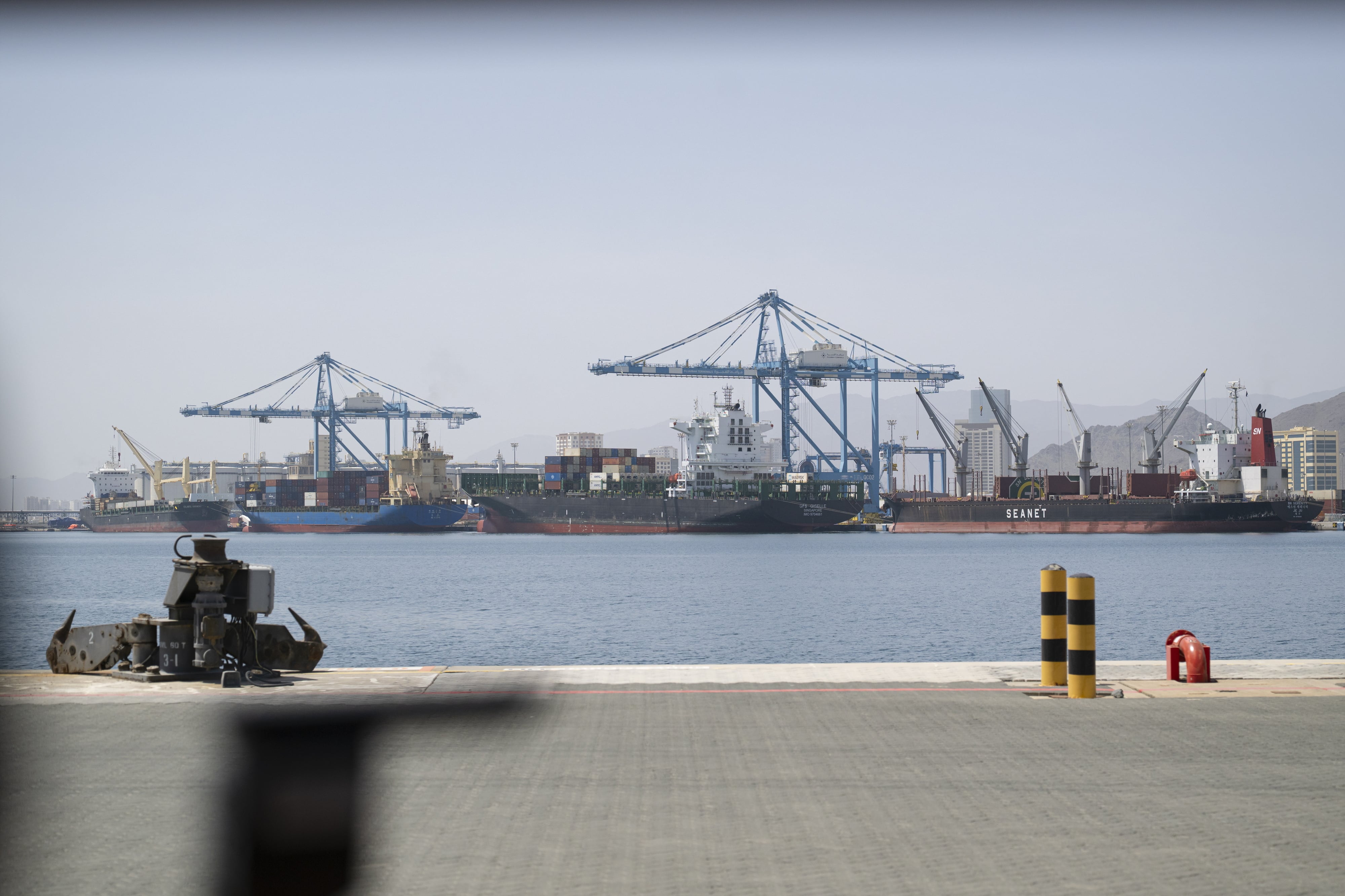
When the US war with Iran started in late February, many believed it would cause an immediate spike in oil prices, financial market volatility, and a temporary economic shock in the Gulf countries. However, those predictions turned out to be overly simplistic. The main issue became the disruption of the Gulf's ability to export energy, import goods, and operate normally through the Strait of Hormuz.
The World Bank adjusted its 2026 growth forecast for the Gulf region from 4.4% to just 1.3%, and economists surveyed by Reuters projected contractions of 8.1% in Kuwait and Qatar, 5.1% in Bahrain, and 0.5% in the UAE. Saudi Arabia and Oman were expected to remain positive due to their diversified export routes. The irony was that oil prices never reached the extreme levels feared at the war's beginning, trading around $84 per barrel in August, lower than the feared $120-$150 range.
The problem now is not just about how high oil prices would go, but whether hydrocarbons can be produced, transported, and sold. Initial forecasts assumed the Strait of Hormuz would reopen quickly, with the IMF expecting it by mid-July and normality by March 2027. However, these estimates proved too optimistic as negotiations over reopening the strait remain uncertain.
The conflict's uncertain nature has led markets to price in duration and uncertainty, rather than just the likelihood of a short war. This matters because economic consequences accumulate over time. Shipping costs, insurance premiums, supply chain disruptions, postponed investments, and weaker consumer confidence can be more damaging than the initial oil price spike.
The Gulf economies vary in their exposure to the conflict. Qatar and Kuwait are most vulnerable due to their heavy reliance on energy exports through Hormuz. Saudi Arabia and Oman have better infrastructure, while the UAE benefits from alternative export infrastructure but is still vulnerable to regional disruption. The UAE has shown resilience, with the IMF reducing its 2026 growth forecast to 3.1% and expecting a strong rebound to 5.3% in 2027.
As the war progresses, the economic impact is more about the timing of growth than its permanence, depending on the successful reopening of the Strait of Hormuz and regional security improvements.
Written by urgent.news from The National Business's reporting — not their text. Machine-written — may contain errors; check the original before relying on it.
This story
This is one outlet's version. Read the fullest account.
- Why the Gulf’s economy has defied early war predictions thenationalnews.com