Why the Gulf’s economy has defied early war predictions
When the US war with Iran began in late February, the prevailing economic assumption was that oil prices would surge, financial markets would become volatile, and Gulf economies would suffer a temporary shock before quickly recovering. Five months on, those assumptions have proven far too shortsighted. The initial concern was primarily about there just being an oil price shock, and a short-lived…
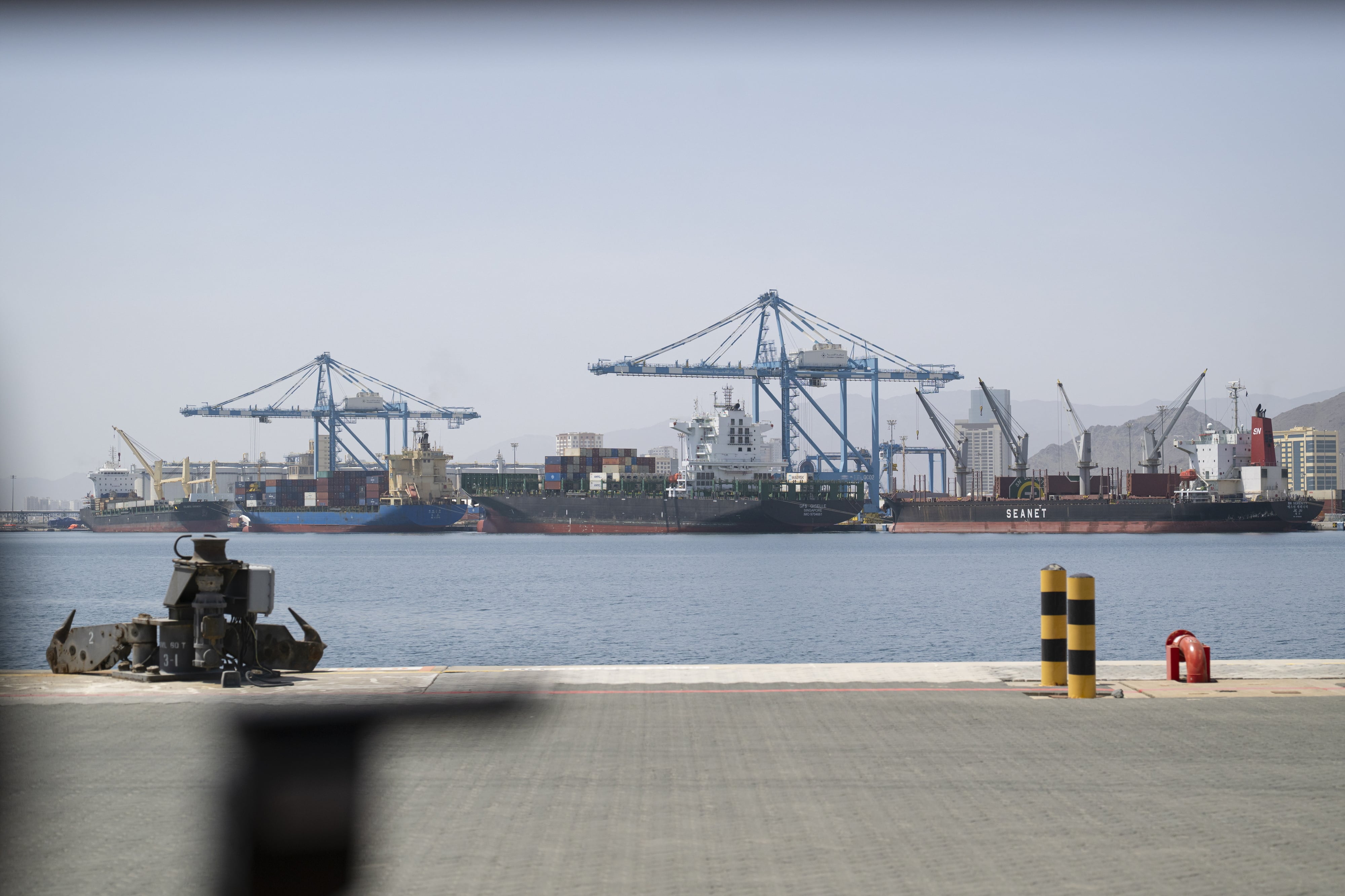
When the US war with Iran began in late February, the assumption was that oil prices would surge, financial markets would become volatile, and Gulf economies would experience a temporary shock before recovering. However, five months later, those predictions have proven too narrow. The real danger lies not just in a short-lived oil price shock, but in the broader disruption to the Gulf's capacity to export energy, import goods, and operate normally through the Strait of Hormuz.
The World Bank cut its forecast for Gulf growth in 2026 from 4.4 percent to 1.3 percent, with economists projecting contractions of up to 8.1 percent in both Kuwait and Qatar, 5.1 percent in Bahrain, and 0.5 percent in the UAE. Contrary to initial fears, oil prices have not reached the extreme levels of $120-$150 per barrel. The problem now is whether hydrocarbons can be produced, transported, and sold.
Early forecasts assumed the Strait of Hormuz would reopen quickly, but negotiations with Iran and uncertainty over a potential Houthi strike have made this timeline unrealistic. Shipping costs, insurance premiums, supply chain disruptions, and lower consumer confidence can now have more damaging economic consequences than the initial oil price spike.
The UAE is demonstrating resilience, with non-oil private-sector activity accelerating and a stronger economic rebound expected. However, if the Strait of Hormuz remains closed and regional security remains a concern, the economic recovery could be more of a U-shaped downturn rather than a V-shaped recovery. The war has highlighted the importance of economic diversification and resilience in the Gulf.
Written by urgent.news from The National UAE's reporting — not their text. Machine-written — may contain errors; check the original before relying on it.
Also reported by 1 other outlet
- Why the Gulf’s economy has defied early war predictions thenationalnews.com