The US’ future policymakers are questioning the standard ‘China threat’ playbook
For years, the conventional wisdom in Washington was that America’s China policy was moving in one direction: tougher. But walk into a classroom at Georgetown, Rice or another US university where the next generation of diplomats and foreign-policy professionals is being trained, and the picture looks less settled. A generation that has grown up with China’s rise is increasingly sceptical of the…
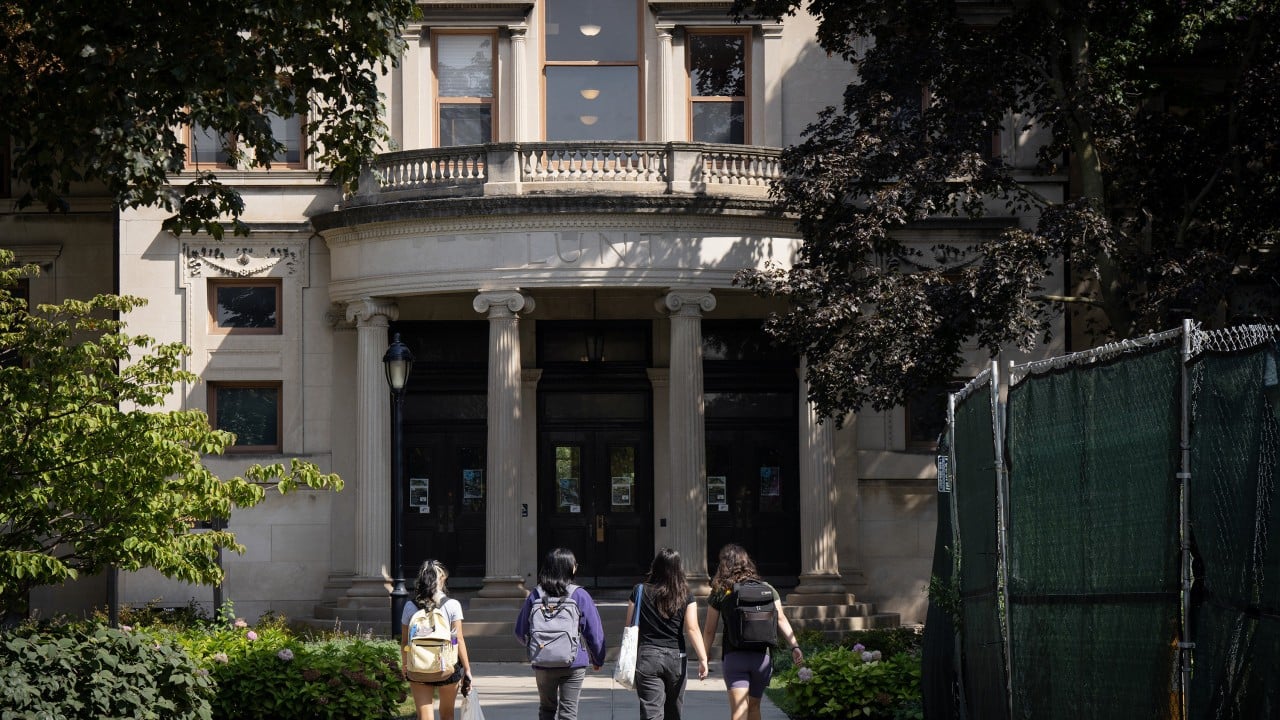
For years, conventional wisdom in Washington was that America's China policy was moving in one direction: tougher. However, a recent shift is evident among the next generation of diplomats and foreign-policy professionals. Students at universities like Georgetown and Rice are becoming skeptical of the idea that Beijing should be treated as America's primary strategic rival.
This matters because many of these young individuals are likely to enter key positions in the US State Department, Congress, think tanks, intelligence agencies, and the national security bureaucracy.
Experts observe a shift in attitudes among students, but they differ on whether this change will endure or be influenced by political and economic pressures in Washington. Dennis Wilder, a professor at Georgetown University, notes that his recent students are more skeptical of the Trump administration's focus on the "China threat" and question the adversarial logic that has shaped American foreign policy for generations.
Similarly, at Rice University, Steven Lewis observes a shift towards a more positive view of China, attributing this to the students' exposure to traditional media portraying China negatively and their broader cynicism about the motives and beliefs of older generations.
A recent Searchlight Institute survey found that 62% of Americans aged 18 to 34 favored cooperating with China and improving US-China relations, compared to 29% who preferred standing up to China. Ali Wyne, a senior research and advocacy adviser for US-China relations at the International Crisis Group, sees this shift as part of a wider generational change.
Economic anxiety among younger Americans, who are more pessimistic about their economic prospects, also plays a role in their perception of China as a distraction from their cost-of-living concerns.
The shift in attitudes is partly attributed to younger Americans' exposure to social media, which offers a wider glimpse into everyday life in China. However, Wilder warns that this exposure could create blind spots due to limited reporting on human rights abuses, religious repression, and restrictions on free speech in China. Despite this, the broader effect is evident: China is increasingly becoming something young Americans experience, rather than just something they are told about.
Many younger Americans learn Chinese from a young age and have met Chinese students or Chinese Americans, finding them polite and friendly. This new understanding could gradually narrow the gap between how policymakers frame US-China relations and how a significant share of young Americans perceive the country.
Written by urgent.news from Reuters Business via SCMP's reporting — not their text. Machine-written — may contain errors; check the original before relying on it.
This story
This is one outlet's version. Read the fullest account.