How Southeast Asia’s monarchies stay relevant in a volatile region
When Brunei’s Sultan Hassanal Bolkiah recently stripped his daughter-in-law of a royal title, the move drew attention for its unusually public glimpse into discipline inside one of the world’s few remaining absolute monarchies. But it also offered a small example of what analysts who study Southeast Asia’s royal families describe as a wider challenge for the region’s monarchies: how to preserve…
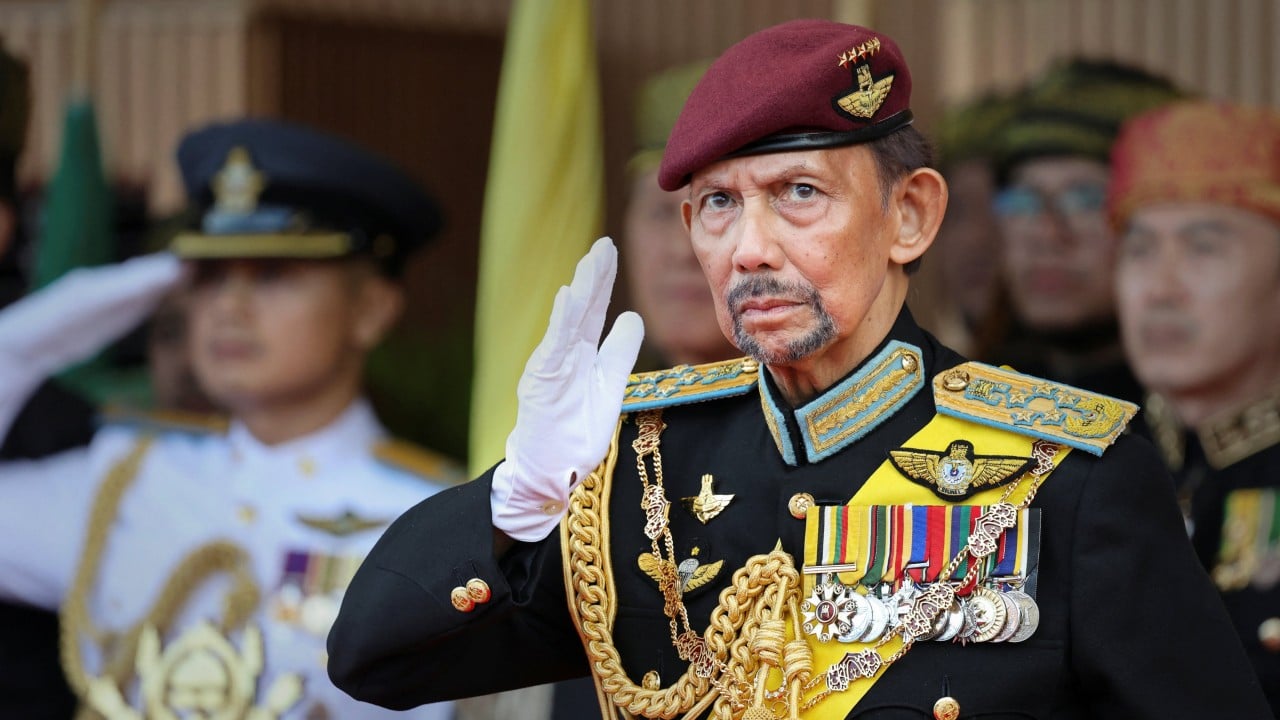
Monarchies in Southeast Asia face the challenge of preserving their authority as public expectations evolve. In Brunei, Sultan Hassanal Bolkiah recently stripped his daughter-in-law of a royal title, drawing attention to the strict discipline within the absolute monarchy. In contrast, Cambodia's monarchy remains largely symbolic, with King Norodom Sihamoni's absence during medical treatment allowing his cousin, Hun Sen, to act as head of state and sign a royal decree pardoning a former opposition leader.
Malaysia's monarchy rotates among nine hereditary rulers, with the king elected every five years, while Thailand's crown remains highly influential despite limited formal power. Despite their differences, all four monarchies must adapt to changing politics, institutions, and public expectations. Experts suggest that monarchies maintain their relevance by presenting themselves as integral to the nation, guardians of order, continuity, and moral authority.
Religion, history, and state-sanctioned narratives of nation-building provide additional sources of influence beyond their formal roles. However, reliance on royal institutions during political crises can create dependencies and reinforce the notion that elected civilian leadership is subordinate. In Thailand, the monarchy has transitioned from an informal network to a more formal structure, sparking debates about its role in a changing political landscape.
Malaysia's monarchy, by contrast, is distributed among nine rulers who play a more subtle role in upholding national identity and Islamic values. Malaysia's monarchy must balance traditional authority with constitutional governance amid political instability and demographic shifts. Brunei's monarchy is characterized by a unique fusion of state, religion, and wealth, with the sultan wielding significant power and using oil revenues to maintain loyalty among citizens.
Long-term pressures include diversifying the economy and succession planning. Cambodia's restored monarchy, however, has a more limited constitutional role, emphasizing its symbolic value in a post-Khmer Rouge society.
Written by urgent.news from South China Morning Post's reporting — not their text. Machine-written — may contain errors; check the original before relying on it.
Also reported by 1 other outlet
- What postcolonialism looks like in Southeast Asia aljazeera.com