The US’ future policymakers are questioning the standard ‘China threat’ playbook
For years, the conventional wisdom in Washington was that America’s China policy was moving in one direction: tougher. But walk into a classroom at Georgetown, Rice or another US university where the next generation of diplomats and foreign-policy professionals is being trained, and the picture looks less settled. A generation that has grown up with China’s rise is increasingly sceptical of the…
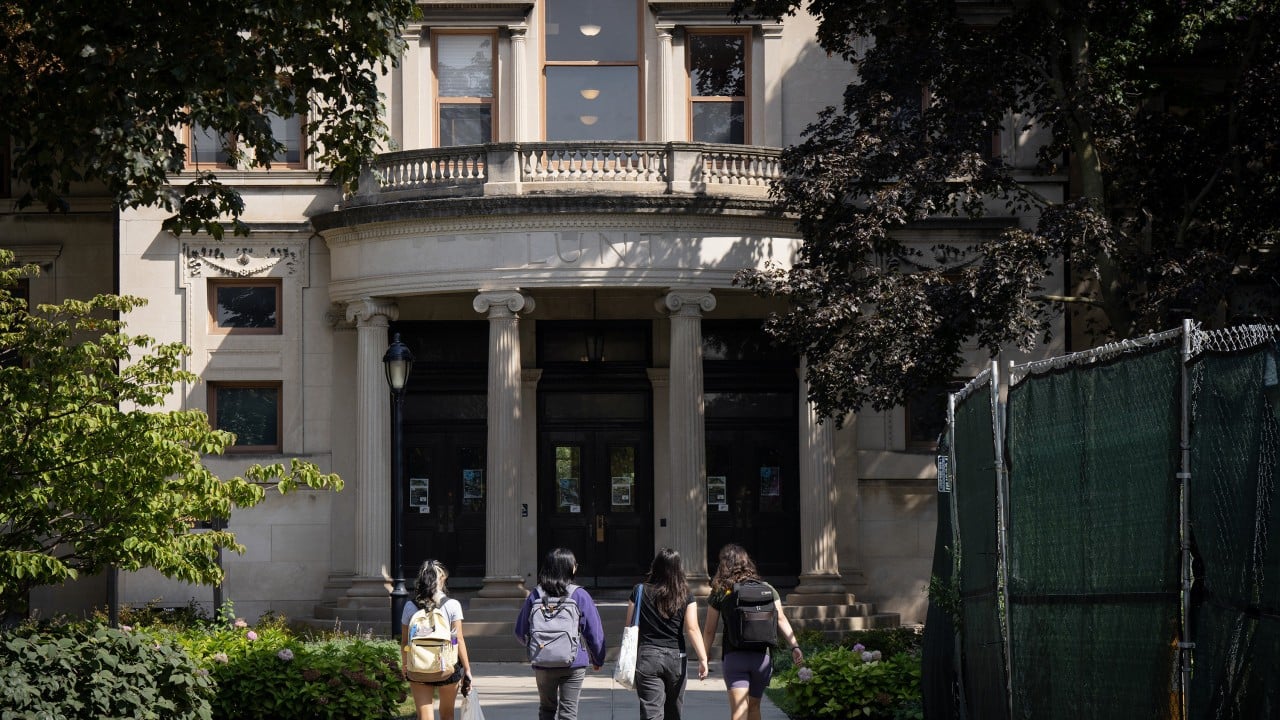
For years, Washington's conventional wisdom held that America's China policy was headed in a single direction: more aggressive. Yet in classrooms at prestigious US universities, such as Georgetown and Rice, a new generation of diplomats and policymakers is emerging with a markedly different perspective. This generation, raised amid China's rise, is increasingly skeptical of treating Beijing as America's primary strategic adversary.
The implications of this shift could be significant, as many of these students are poised to enter key roles in the State Department, Congress, think tanks, intelligence agencies, and the national security bureaucracy.
Experts are divided on whether this change will persist despite Washington's pressures and how China's actions will influence future attitudes. "There is a noticeable shift in attitudes among students since I began teaching in 2016," said Dennis Wilder, a professor at Georgetown's Walsh School of Foreign Service and former CIA China analyst. His students are more skeptical of the Trump administration's preoccupation with the "China threat" and question the adversarial logic that has long shaped American foreign policy.
Steven Lewis, a Rice University professor, observes a growing positive view towards China among his students. "They know they're facing traditional media that portrays China almost exclusively negatively," Lewis explained. "There's also a broad cynicism about the motives and beliefs of older generations." This skepticism is not limited to the classroom; a recent Searchlight Institute survey found that 62% of Americans aged 18 to 34 favor cooperating with China and improving US-China relations, compared to 29% who prefer standing up to China.
Ali Wyne, a senior research and advocacy adviser for US-China relations at the International Crisis Group, sees this shift as part of a broader generational change. "Younger Americans are more accustomed to a resurgent China," Wyne observed. He attributes this view partly to economic anxiety among younger Americans, who are more pessimistic about their economic prospects and view strategic competition with China as a distraction from their immediate concerns.
Social media exposure and a lack of traditional coverage also play a role in shaping these attitudes. Many young Americans, lacking firsthand experience with China, turn to social media platforms to gain insights into everyday life in Chinese cities. While this exposure provides a more nuanced understanding, it also risks creating an overly favorable impression due to limited reporting on human rights abuses, religious repression, and restrictions on free speech.
Despite these challenges, the broader effect is clear: China is increasingly seen by young Americans as a part of their reality, rather than a mere subject of study. While the shift in attitudes may take time to permeate Washington, the emergence of a new generation of policymakers with a more positive view of China could gradually narrow the gap between their views and those of older policymakers.
Written by urgent.news from South China Morning Post's reporting — not their text. Machine-written — may contain errors; check the original before relying on it.