TB vaccine offers clue to retrain immune system against Alzheimer’s
A new study has found that the BCG vaccine for tuberculosis alters immune responses in the central nervous system and could offer a strategy for early intervention in Alzheimer’s
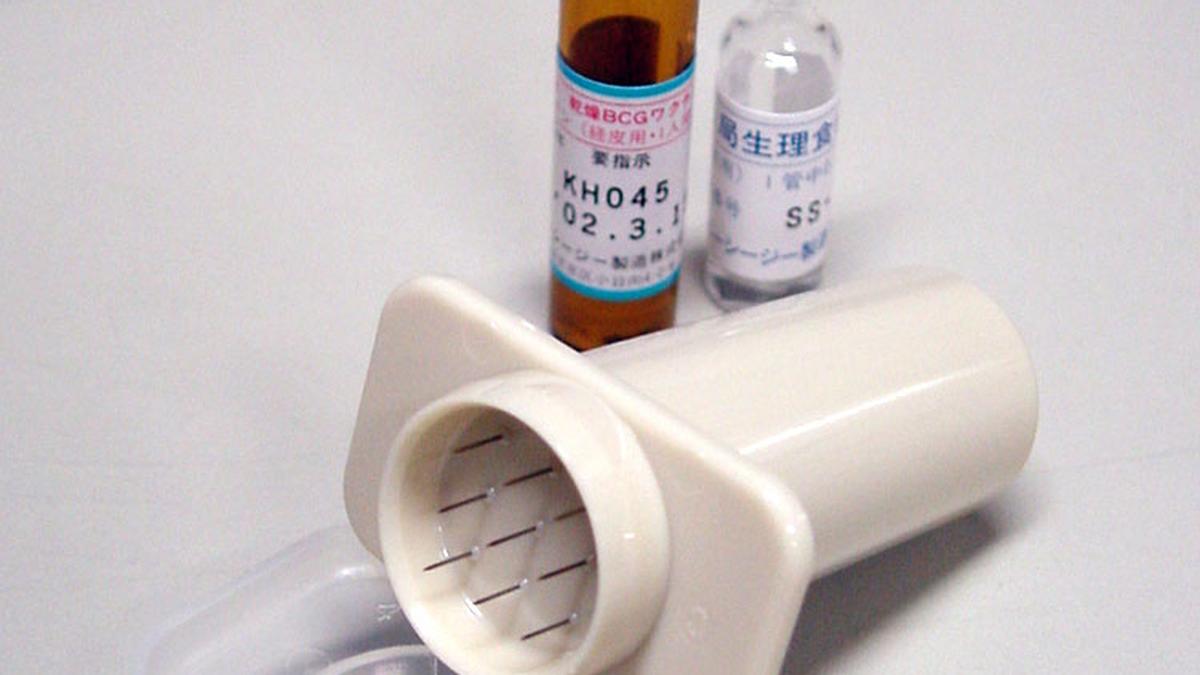
Alzheimer's disease is characterized by chronic, low-grade inflammation in the brain, which is exacerbated by dysfunctional immune cells that contribute to the formation of amyloid plaques. However, a study published in Communications Medicine suggests that the century-old tuberculosis vaccine, Bacillus Calmette-Guérin (BCG), may retrain the immune system within the aging brain to mitigate the effects of this inflammation.
The researchers, from Massachusetts General Hospital in the U.S., conducted a study on 23 older adults, some with and some without biomarkers of Alzheimer's disease. The participants received two BCG doses a month apart and their immune cells were tracked over the following year. The study found that monocytes, the predominant immune cells in cerebrospinal fluid, switched on genes linked to a more alert immune response, even with a small sample size.
These changes in the cells' gene activity mirrored similar changes in the bloodstream, indicating that BCG may put the immune cells on general alert rather than teaching them to recognize BCG alone. The researchers noted that the brain may similarly shape how these immune cells respond. The findings suggest that BCG could potentially help clear amyloid plaques from the brain, although more research is needed to confirm this effect.
The study also found that in participants without established Alzheimer's, amyloid levels fell in the cerebrospinal fluid and rose in the blood, while in participants with established Alzheimer's, this change did not occur. The researchers suggested that this could be due to the brain's ongoing inflammatory milieu and dementia-related cascades, which limit the immune system's capacity to respond.
The study raises the possibility of BCG as a preventive measure for Alzheimer's, but the data still need to be confirmed in larger trials with longer follow-up periods.
Written by urgent.news from The Hindu's reporting — not their text. Machine-written — may contain errors; check the original before relying on it.