Takaiichi's anniversary statement on the day of Japan's defeat in World War II omitted the phrases 'remorse ' and 'oath to never again wage war' - mimicking Abe
Former Japanese Prime Minister Fumio Kishida did not mention "reflection" or "no-war oath" at the "defeat day" ancestral spirits ceremony on the 15th. This omission followed the style of his predecessor Abe Shinzo, who stopped using these terms after becoming Prime Minister in 2012. Kishida vowed at the Tokyo martial arts hall, during the "national surrender ancestral spirits ceremony", not to repeat the phrase "war's suffering twice" and to build a safer Japan with hope.
He also stated that Japan, as a country that values peace, has always contributed to global peace and prosperity. This sentiment echoes the one previously used by his predecessors, Prime Ministers Yasuhiko Suga and Yoichi Hatoyama. However, Kishida did not mention the "reflection" and "no-war oath" that have been a staple in Japanese Prime Minister's statements on defeat day.
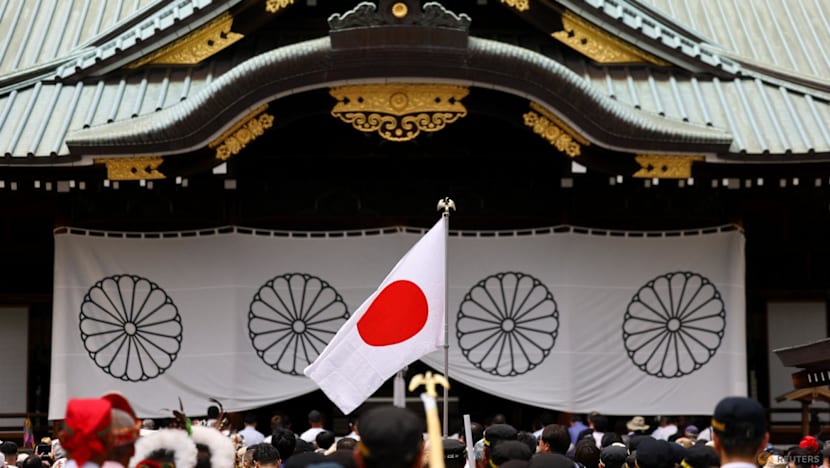
While past Prime Ministers mentioned the suffering of neighboring countries during World War II and expressed their reflection, Kishida's predecessor Abe Shinzo ended this tradition in 2013. Last year, Hatoyama was the first Prime Minister in 13 years to use these terms again, but Kishida, following Abe, did not. Kishida presented the gold ingot, known as "damagushi," at Yasukuni Shrine in the morning.
However, since he is not the Prime Minister, he did not participate in the actual visit. Unlike his predecessors who visited Yasukuni Shrine annually on August 15, this was Kishida's first defeat day as Prime Minister, a decision possibly influenced by the reactions from neighboring countries like South Korea and China.
Written by urgent.news from Hankyoreh's reporting — not their text. Machine-written — may contain errors; check the original before relying on it.