Ocypus Sigma L36 Pro Review: How is this LCD AIO so cheap?
The Ocypus Sigma L36 Pro is a high-performance AIO that includes a fancy 3.5-inch display and a low price tag. We’ve tested this liquid cooler paired with AMD’s Ryzen 9 9950X3D CPU to benchmark thermal efficiency.
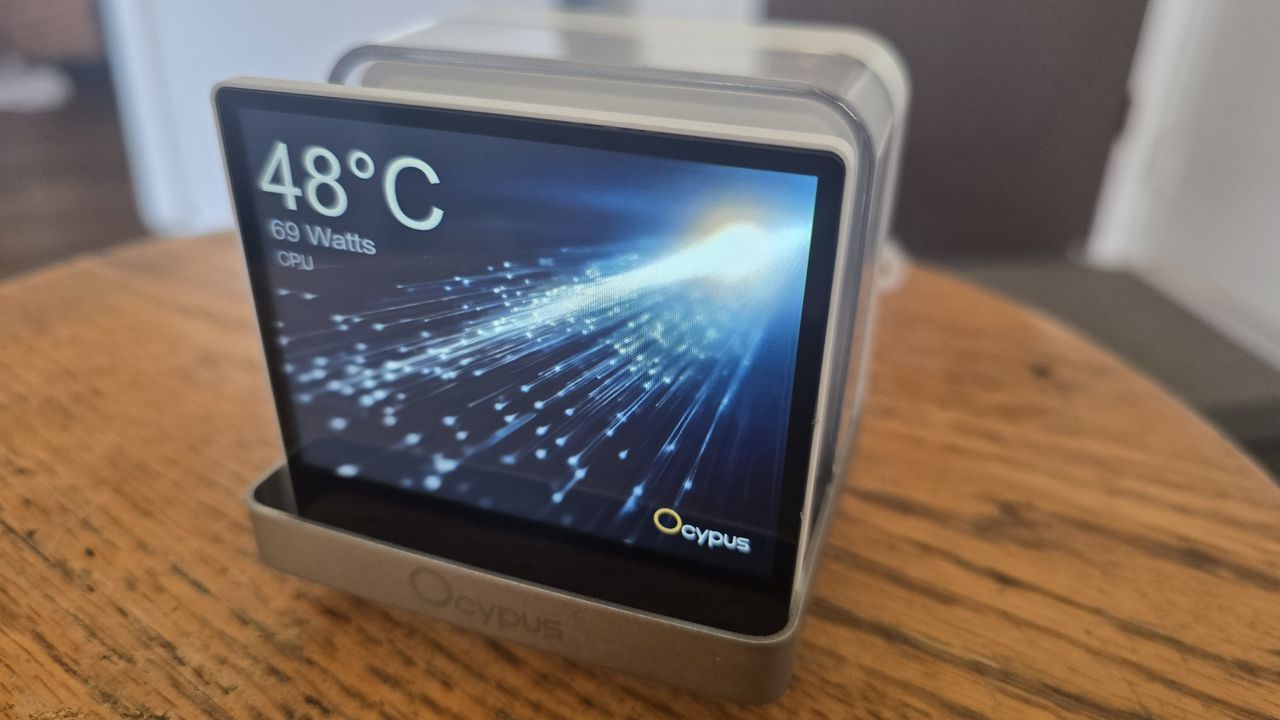
The Ocypus Sigma L36 Pro is a budget-friendly high-end AIO with a 3.5-inch display, coming from relatively new manufacturer Ocypus. This company has previously made attention-grabbing products, such as the Iota C70 computer case and A62 digital air cooler. The Sigma L36 Pro features a detachable 3.5-inch IPS screen with VGA resolution (640x480) and 4:3 aspect ratio, which is a common trend in modern liquid coolers.
One impressive feature is the fans' static pressure, which is almost twice as strong as many competitors, rated at up to 5.8 mmH20. However, the most striking aspect is its price, which typically ranges from $135 or less. Despite its large display and powerful fans, the Sigma L36 Pro is notably cheap, making it a potentially attractive option for those seeking an AIO cooler with added features.
Written by urgent.news from Tom's Hardware's reporting — not their text. Machine-written — may contain errors; check the original before relying on it.