History of housing for Japanese postwar returnees kept alive
Efforts have been made to preserve the history of public housing for Japanese returnees from former Manchuria and elsewhere after the end of World War II.
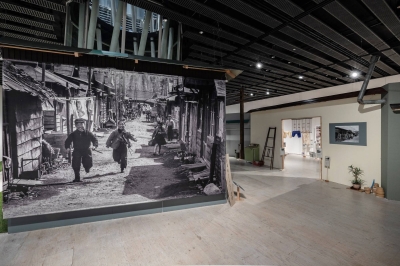
Efforts have been made to preserve the history of public housing for Japanese who returned from former Manchuria and other locations after World War II. In Sendai, Miyagi Prefecture, approximately 600 wooden houses known as "Oimawashi Jutaku" were constructed on the site of a former Imperial Japanese Army facility for the wartime returnees.
Upon government disbandment in late 1946, residents purchased their homes and continued living there by paying land rent to the state. However, the Sendai city government's plan to build a park in the Oimawashi Jutaku area led to the eviction of the remaining residents. The last house in the area was demolished in February 2023.
To commemorate this history, a winter exhibition was held in 2023 at the city's Sendai Mediatheque cultural center, featuring full-size mock-ups of the houses, photographs, and personal stories from former residents. Kenji Kai, who organized the exhibition, aimed to create an immersive experience for visitors, allowing them to feel as if they were meeting with the original residents.
Over 200 visitors provided feedback on the exhibition, expressing their desire to remember and interpret Oimawashi Jutaku in their own ways. In Fukuoka's Ropponmatsu district, wooden tenement houses built for postwar returnees from Manchuria and elsewhere have survived after renovation and expansion. Apollo Keikaku, a Fukuoka-based company specializing in architecture, branding, and real estate brokerage, began working on renovating these houses six years ago.
The process involved reconstructing the structures from scratch, as no original drawings remained; one renovated building is currently rented out. Professor Takanori Shimamura of Kwansei Gakuin University emphasized the importance of preserving the history of housing for returnees, suggesting that it may be hidden within areas where housing complexes and commercial facilities exist.
He recommended utilizing mock-ups of houses and daily goods to help people experience and understand the hardships faced by these individuals during their return.
Written by urgent.news from Japan Times's reporting — not their text. Machine-written — may contain errors; check the original before relying on it.
This story
This is one outlet's version. Read the fullest account.