China blasts Japanese officials’ visit to Yasukuni Shrine on WWII anniversary
China has “strongly condemned” Japanese leaders for visiting the controversial Yasukuni Shrine and making an offering on the 81st anniversary of Japan’s announcement of surrender in World War II. Beijing lodged a formal protest after Japanese defence chief Shinjiro Koizumi visited the shrine on Saturday. China and many other countries in Asia view the site as a symbol of Japanese militarism.…
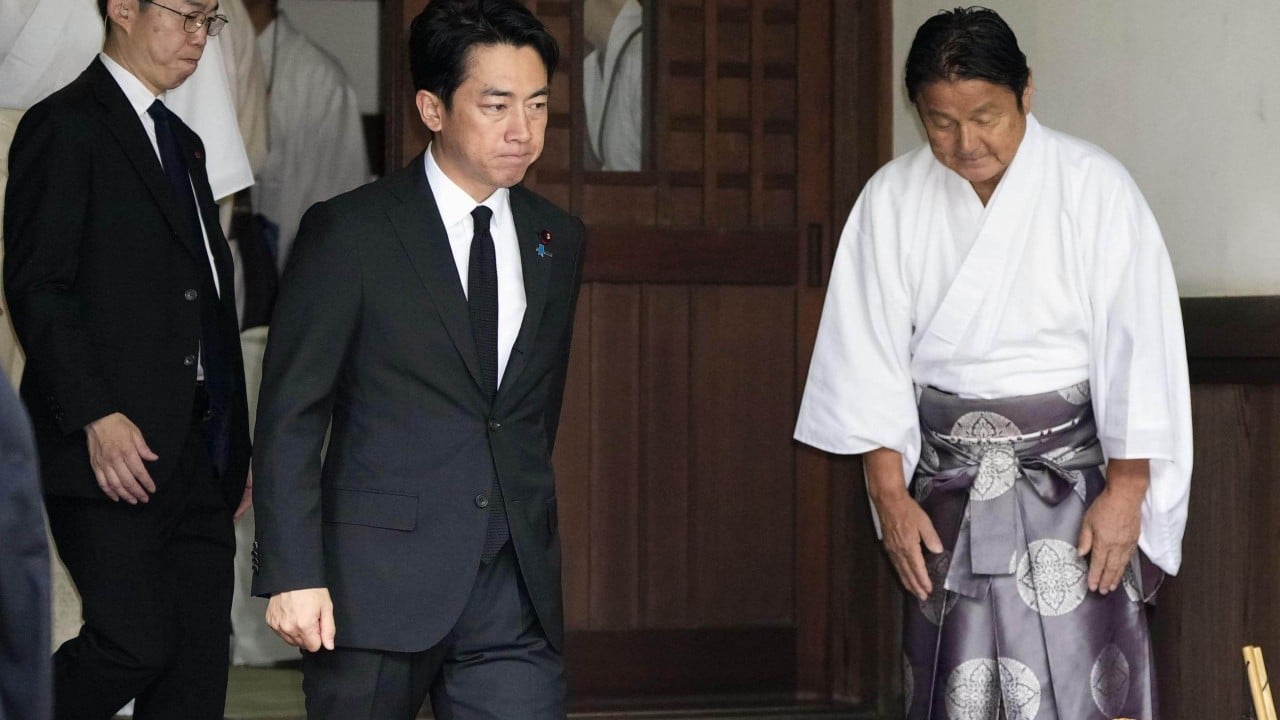
China has vehemently denounced Japanese officials for their recent visit to the Yasukuni Shrine and the offerings made there on the 81st anniversary of Japan's surrender in World War II. The Chinese foreign ministry lodged a formal protest following Defence Chief Shinjiro Koizumi's visit to the shrine on Saturday. Japan and numerous Asian nations regard the shrine as a symbol of Japan's militaristic past.
Prime Minister Sanae Takaichi did not personally visit the site but sent an offering. Notable Japanese officials who visited the shrine included Economic and Fiscal Policy Minister Minoru Kiuchi, Economic Security Minister Kimi Onoda, and state minister Hitoshi Kikawada. The Chinese foreign ministry stated that Japan initiated aggressive wars and committed heinous crimes during World War II.
The shrine, enshrining 14 Class-A war criminals, is seen as a symbol of Japanese militarism. The ministry emphasized that Japanese politicians cannot conceal their true intent of rehabilitating war criminals and distorting historical facts. It highlighted that this year marked the 80th anniversary of the Tokyo Trial's opening, stressing that a correct understanding of history is crucial for Japan's return to the international community and its relations with neighbors.
The ministry deemed visiting and paying tribute to the shrine as a desecration of historical justice and a provocation to the post-war world order. It urged Japan to reflect on its aggressive history, abandon militarism, and earn trust through concrete actions. This marked the first visit by an incumbent Japanese defence minister to the shrine since 2024.
The shrine has been a long-standing source of diplomatic tensions between Japan and its neighbors, enshrining 14 Class-A war criminals, including the wartime prime minister Hideki Tojo.
Written by urgent.news from South China Morning Post's reporting — not their text. Machine-written — may contain errors; check the original before relying on it.
This story
This is one outlet's version. Read the fullest account.
- Korea denounces Japanese officials' visits to Yasukuni Shrine koreatimes.co.kr
- China blasts Japanese officials’ visit to Yasukuni Shrine on WWII anniversary scmp.com
- World : Japan PM Takaichi Sends Offering To Yasukuni Shrine On WWII Anniversary bernama.com
- Japan defence minister visits Yasukuni war shrine, PM Takaichi stays away channelnewsasia.com
- (LEAD) S. Korea deplores Japanese officials' visits to Yasukuni Shrine en.yna.co.kr