This paper changed my life: A technical breakthrough for memory studies
In a 2007 Science paper, Mark Mayford and his colleagues found that some neurons activated during learning are also recruited during memory retrieval. Noelia Weisstaub shares how this study and others drove an era of great progress in tool development.

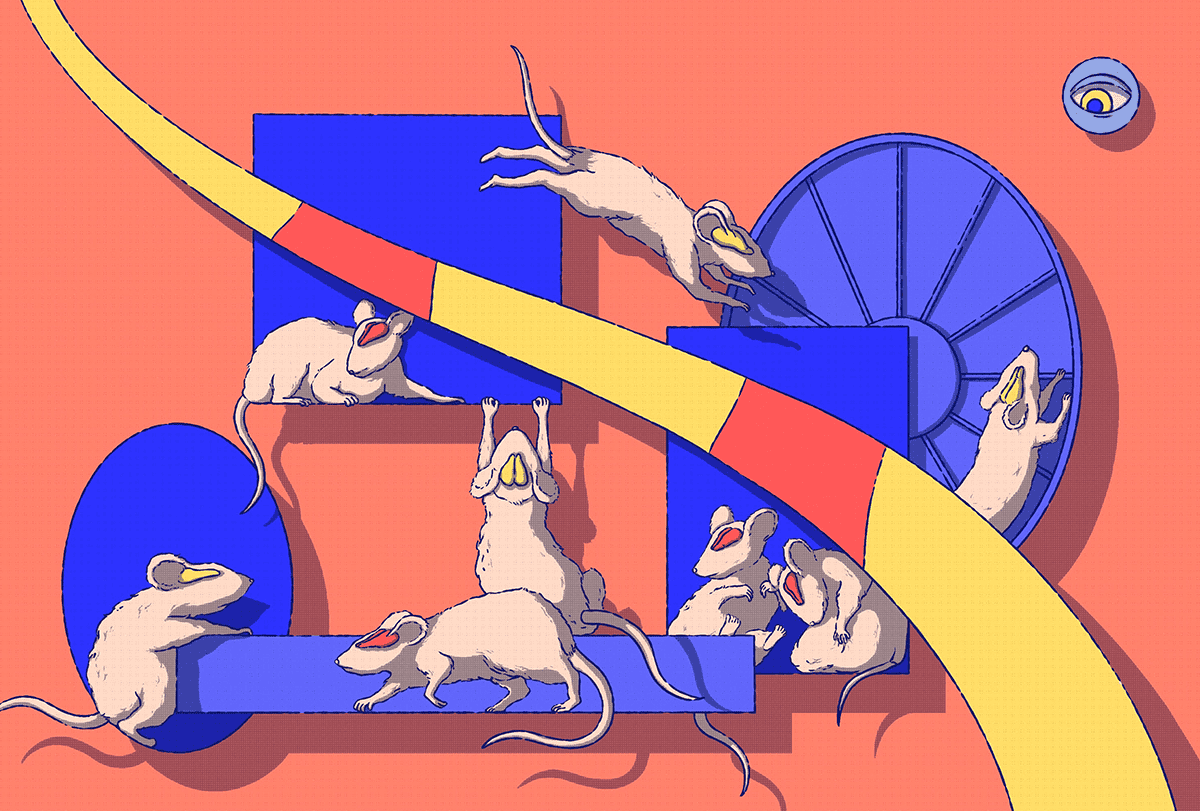
The 2007 Science paper by Mark Mayford and his colleagues marked a turning point in memory studies, addressing a long-standing question in the field. The researchers found that certain neurons activated during learning were also involved during memory retrieval. This breakthrough came as a result of the development of a transgenic mouse line, called TetTag, which allowed researchers to tag active neurons during specific time windows.
This tool enabled the labeling of active neurons when mice underwent fear conditioning, making it possible to evaluate if the same neurons were active again during memory retrieval. Prior to this study, neuroscientists had to rely on indirect methods, such as blocking entire neuronal populations during memory retrieval. This paper was the first to provide concrete evidence that neurons active during learning also play a role in memory retrieval.
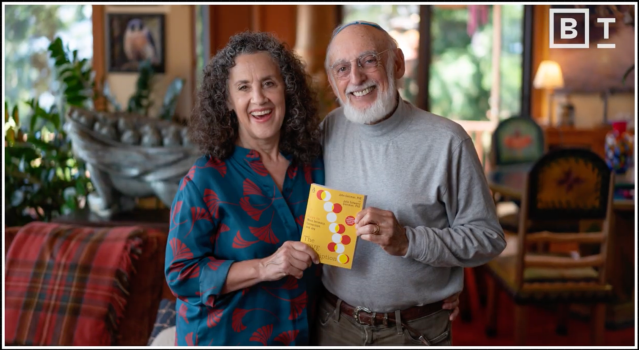
The author, Noelia Weisstaub, encountered this paper while finishing her Ph.D. in the labs of René Hen and Jay Gingrich at Columbia University. Though she was initially studying serotonin 2A receptors in mood regulation and the mechanisms of psychedelic drugs, this paper led her to shift her focus to memory research. The findings of this research, combined with other genetic tools being developed at the time, paved the way for significant progress in neuroscience.
The new tools made it possible to investigate challenging questions such as where memories are stored and how many neurons are needed to trigger a memory. The paper is considered a gold standard for its bold findings and the creation of tools that allowed researchers to explore similar questions in other areas of neuroscience.
Written by urgent.news from The Transmitter's reporting — not their text. Machine-written — may contain errors; check the original before relying on it.