These 4 behaviors predict divorce with startling accuracy
Every marriage’s disintegration is marked by the same four warning signs that researchers John and Julie Gottman can spot before a couple even finishes their first sentence. The founders of the Gottman Institute break down decades of lab research on why relationships collapse, and what to look for in a partner so they can make it 50 years by your side. This video These 4 behaviors predict divorce…
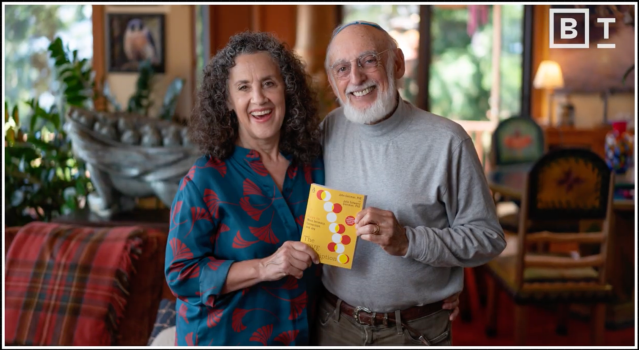
The disintegration of a marriage can often be predicted by four warning signs that researchers John and Julie Gottman can detect before a couple even begins their first conversation. The creators of the Gottman Institute have studied relationships extensively and can provide guidance on maintaining a long-lasting and loving partnership. John Gottman, a senior scientist at the Gottman Institute, shares his insights on the topic with Big Think.
Over time, relationships tend to fade away rather than abruptly end. Couples may start to ignore each other, with research showing that in a typical evening, partners spend less than 10% of their time in the same room. This erosion leads to relationships evolving into a list of to-dos, rather than maintaining playfulness, fun, adventure, and romance. Partners may find themselves living parallel lives, or two railroad tracks, disconnected from one another.
In therapy, the presence of distress can manifest in various ways. Partners may sit together or at the ends of a couch, failing to make eye contact. They may look to the therapist as a referee, hoping for a clear resolution of who is at fault. This behavior prevents partners from truly listening to one another, which is crucial for effective communication. Instead, they may resort to criticism, contempt, defensiveness, or emotional withdrawal, creating a devitalized relationship that lacks life energy and connection.
When couples enter therapy, the therapist observes their interactions, looking for signs of distress. They may sit together or apart, failing to maintain eye contact. This behavior hinders effective communication, making it difficult for partners to truly understand each other's perspectives. The therapist's role is to help rebuild the relationship, encouraging partners to talk to each other and work through their differences with humor and acceptance.
John Gottman's interest in studying relationships stems from his own lack of experience in this area. Alongside his friend and colleague, Bob Levenson, Gottman established a research lab to explore relationship dynamics. One of their key findings was that 69% of all conflicts are perpetual, meaning they never resolve. These conflicts often revolve around differences in personality, lifestyle, or values, and they tend to resurface over time.
Masters of relationships handle perpetual problems differently than those who struggle. They can communicate acceptance of their partner's personality, find humor in differences, and work towards temporary compromises. In contrast, disaster couples become increasingly alienated and vilify each other, viewing problems as the result of their partner's defects. This approach leads to a breakdown in communication and a deterioration of the relationship.
Criticism is a significant factor that can turn a perpetual problem into a destructive conflict. Instead of addressing the issue at hand, criticism attacks the partner's character, leading to defensiveness and further withdrawal. By identifying and avoiding critical language, couples can prevent conflicts from escalating and maintain a healthier, more harmonious relationship.
Written by urgent.news from Big Think's reporting — not their text. Machine-written — may contain errors; check the original before relying on it.