Moon phase today: What the Moon will look like on August 14
See the Moon phase expected for August 14, 2026 as well as when the next Full Moon is expected.
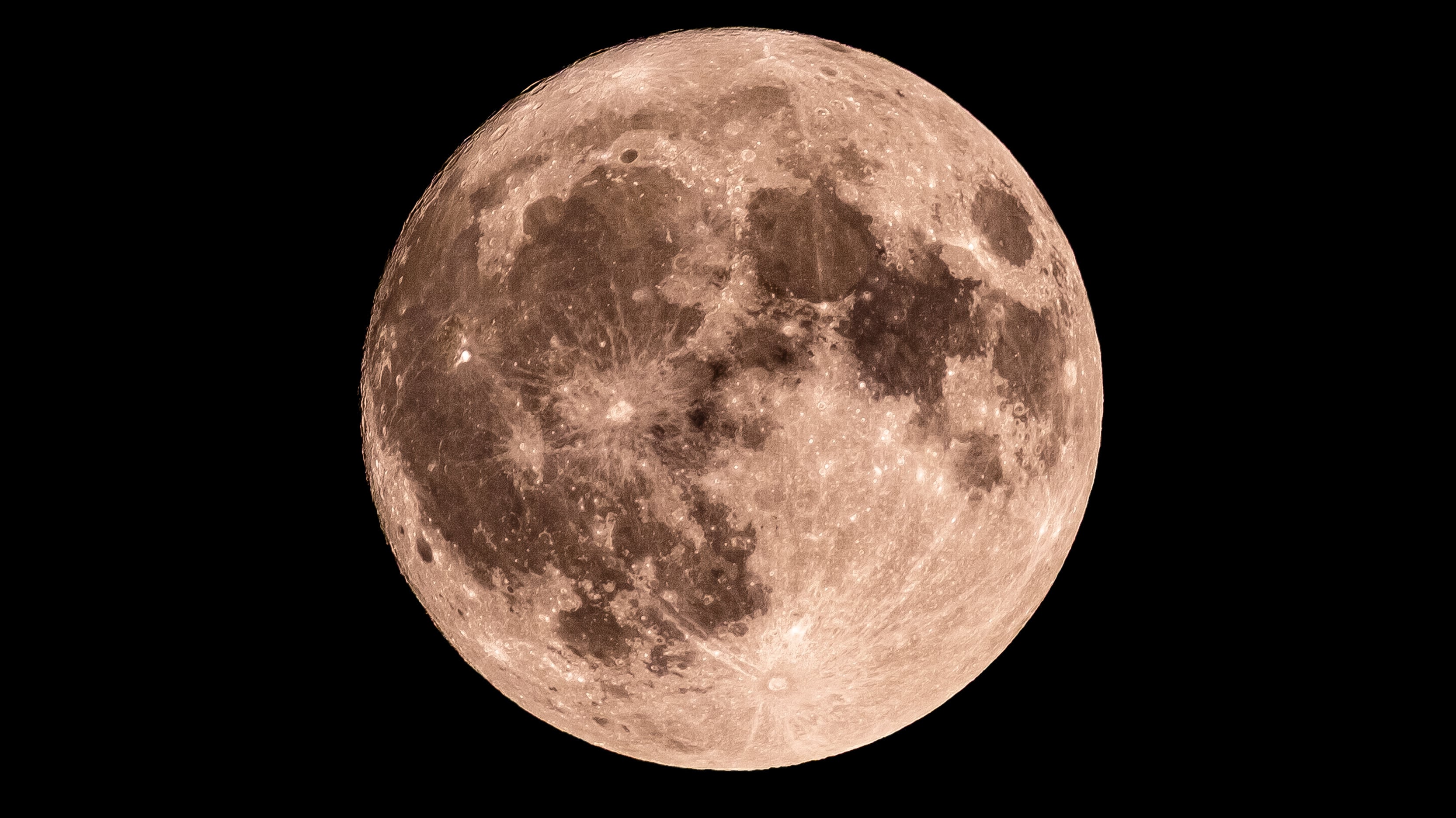
The Moon phase for today, Friday, August 14, is in the Waxing Crescent stage, according to NASA's Daily Moon Guide tracker. Just 3% of the Moon's surface is currently visible from Earth. The next Full Moon is expected to occur on August 28.
The Moon doesn't appear the same in the sky every night. As it orbits around our planet, the positions of the Sun, Earth, and Moon change, revealing varying amounts of the Moon's sunlit side. This creates the distinct lunar phases we observe over a period of about 29.5 days.
The eight phases of the Moon cycle are: New Moon, Waxing Crescent, First Quarter, Waxing Gibbous, Full Moon, Waning Gibbous, Third Quarter (also known as Last Quarter), and Waning Crescent. Each phase represents a different amount of the Moon's sunlit side being visible from Earth.
During the New Moon phase, the Moon is positioned between Earth and the Sun, leaving the side we see dark and invisible to the naked eye. As the Moon moves into the Waxing Crescent phase, a small sliver of light appears on the right side (in the Northern Hemisphere). By the time the Moon reaches the First Quarter phase, half of its surface is illuminated on the right side, resembling a half-Moon.
As the Moon continues its journey, it progresses through the Waxing Gibbous phase, with more than half of its surface illuminated but not yet full. The Full Moon phase occurs when the entire face of the Moon is illuminated and fully visible from Earth. Following the Full Moon, the Moon enters the Waning Gibbous phase, during which the sunlit side starts to decrease.
The Third Quarter phase marks another half-Moon, but now the left side is illuminated. Finally, the Waning Crescent phase sees only a thin sliver of light remaining on the left side before the Moon's visibility fades again, returning to the New Moon stage and beginning the lunar cycle anew.
Written by urgent.news from Mashable's reporting — not their text. Machine-written — may contain errors; check the original before relying on it.