The gilded cage: Why Gen Z’s favorite escape is the era that looks most like now
Tradwives, old money, homesteading, even bird watching. Why does Gen Z want to turn the clock back 100 years?
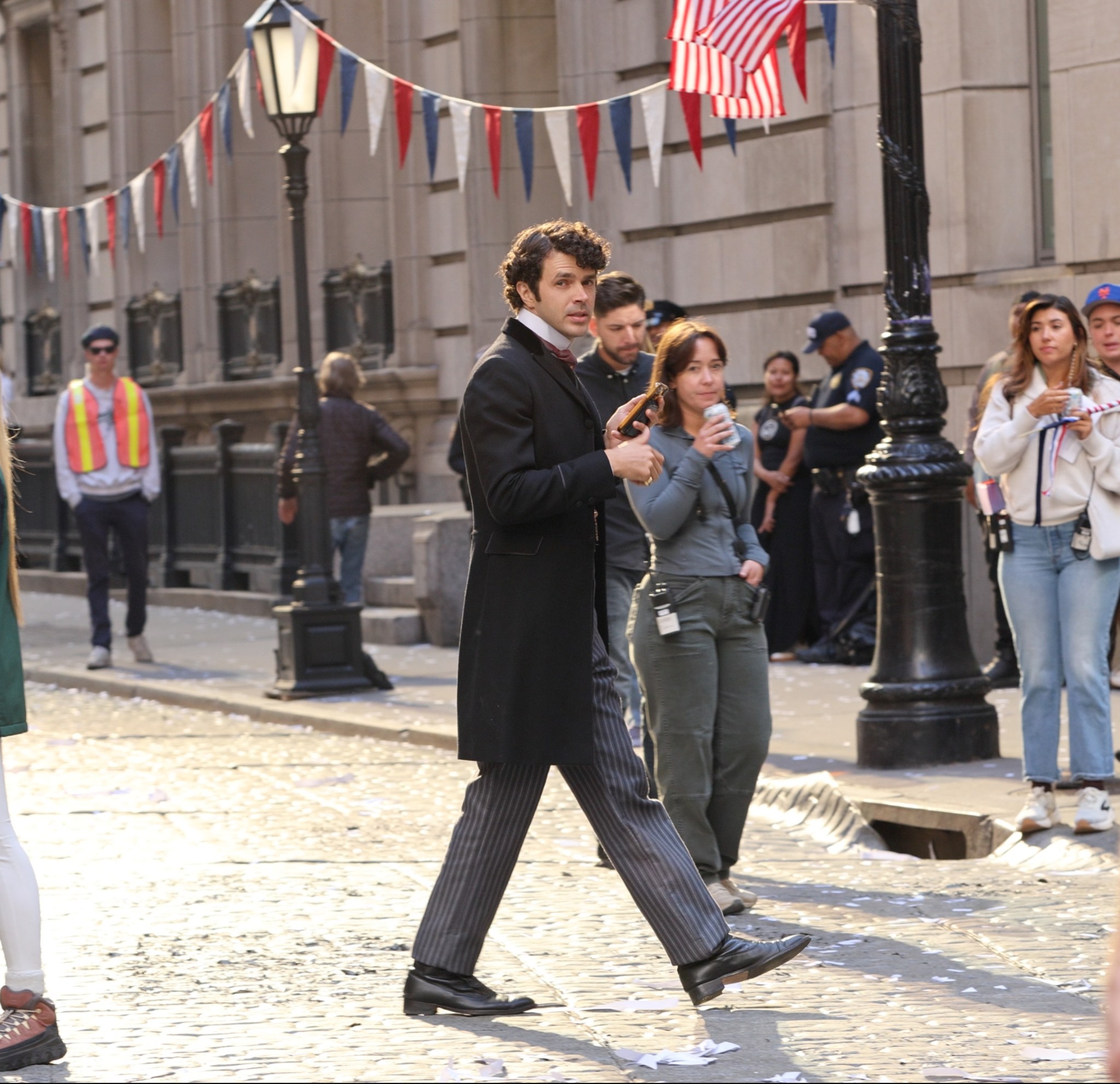
Gen Z might seem to be escaping into an era that mirrors the modern chaos they experience, but they are actually nostalgic for a time when the world looked like theirs. This phenomenon, known as anemoia, is a form of imagined nostalgia for a period they have never known. It is not grounded in personal memory but rather in cultural artifacts from movies, photographs, and secondhand stories.
The surge in popularity of #OldMoney aesthetics, Regencycore ballgowns, prairie dresses, and homesteading vlogs among Gen Z is a manifestation of this anemoia. These trends, while appearing to be a rebellion against modern chaos, are actually rooted in the same issues that drive Gen Z to seek escapism in the first place. The era they are drawn to—the early 1900s—was defined by runaway inequality, technological disruption, and political instability, just like the present day.
Psychologists have coined the term anemoia to describe the longing for a time one has never experienced. It is not rooted in personal memories, but rather in mental simulations built from cultural artifacts. Researchers have found that Gen Z feels nostalgic for periods before their lifetime, with 68% of Gen Z adults reporting nostalgia for eras they have never known. They seek solace in media or styles from those periods to cope with stress and anxiety about the future.
The fascination with early 1900s aesthetics among Gen Z is not just a passing trend, but a psychological response to the rapid changes in society. The desire for control, texture, and slowness in a world dominated by smartphones, gig work, and platform algorithms is reflected in the popularity of homesteading, knitting, and birdwatching. Gen Z sees these analog trends as a way to regain autonomy and resist the overwhelming influence of algorithms.
Interestingly, the early 1900s is the last time the world structurally resembled the present day, with issues such as technological change, economic concentration, and rising inequality. This parallel between the past and present may explain why Gen Z is drawn to romanticize a time that was, in many ways, a precursor to the challenges they face today.
Written by urgent.news from Fortune's reporting — not their text. Machine-written — may contain errors; check the original before relying on it.