Public sector pay must reflect workers’ value and state’s capacity – Pelpuo
The Minister of Labour, Jobs and Employment, Dr Rashid Pelpuo, has called for a public sector pay framework that balances fair remuneration with the state’s fiscal capacity.
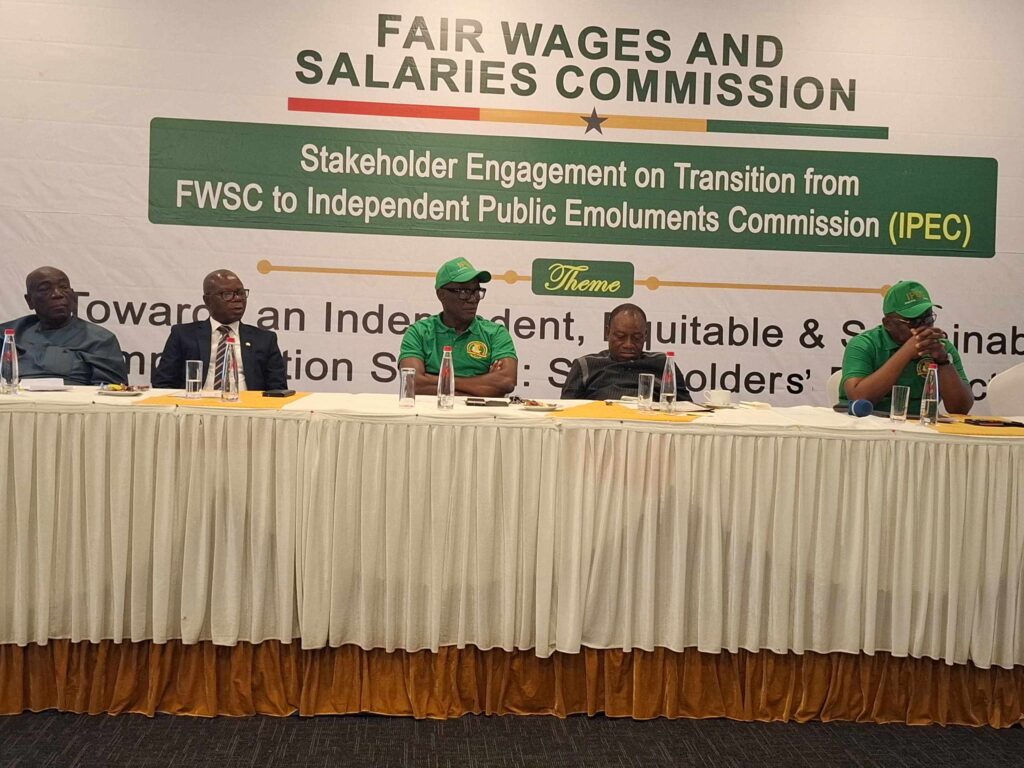
Minister of Labour, Jobs and Employment, Dr Rashid Pelpuo, has advocated for a public sector pay structure that ensures fair wages while considering the government's financial limits. Speaking at the launch of a two-day meeting between the Fair Wages and Salaries Commission (FWSC) and organized labor in Accra, Pelpuo emphasized that pay must be justified, reasonable, and suitable for workers' contributions to national progress.
The meeting aims to gather input from organized labor on the draft Independent Public Emoluments Commission (IPEC) Bill before it is presented to Parliament. The new legislation would replace the FWSC Act, 2007 (Act 737), and create IPEC as the body responsible for managing Ghana's public sector compensation system. Pelpuo highlighted the importance of a carefully planned transition to ensure fairness, impartiality, openness, uniformity, and accountability in the new framework.
He stressed that the government recognizes organized labor as a vital partner in national development and that workers' opinions and concerns should shape the proposed compensation framework. Dr George Smith-Graham, the CEO of the FWSC, urged the transition to IPEC to be more than just a name change, aiming to create a stronger and more reliable compensation system.
He noted the challenges encountered in implementing the Single Spine Pay Policy, such as discrepancies in allowances and conditions of service, internal pay disparities, the attraction and retention of skilled workers, and the need to align compensation with productivity. Smith-Graham clarified that IPEC should not be seen as a departure from the ongoing journey but as a next step in public compensation governance.
The consultation aims to shape legislation rather than endorse pre-made decisions, focusing on understanding differences, testing proposals against evidence, and building a compensation system that gains widespread acceptance across the public sector. Joshua Ansah, the Secretary-General of the Ghana Trades Union Congress, speaking on behalf of organized labor, welcomed the initiative but called for a comprehensive reform approach.
He urged the government to involve organized labor throughout the process to ensure broad acceptance of the new compensation framework. Ansah stressed that Organized Labor would closely monitor the reform process and work with the government to establish a fair, transparent, and equitable public sector pay system. The proposed IPEC will oversee the determination and management of public sector salaries under a framework built on fairness, transparency, consistency, accountability, and fiscal sustainability.
Written by urgent.news from MyJoyOnline Ghana's reporting — not their text. Machine-written — may contain errors; check the original before relying on it.