TCDA targets 100,000 new hectares to boost Ghana’s palm oil self-sufficiency
The Tree Crops Development Authority (TCDA) has been mandated to lead Ghana’s drive to expand oil palm production, with the government targeting the development of 100,000 new hectares in 2026. The initiative is aimed at boosting domestic palm oil production, reducing the country’s reliance on imported edible oils and positioning Ghana as a competitive player […]
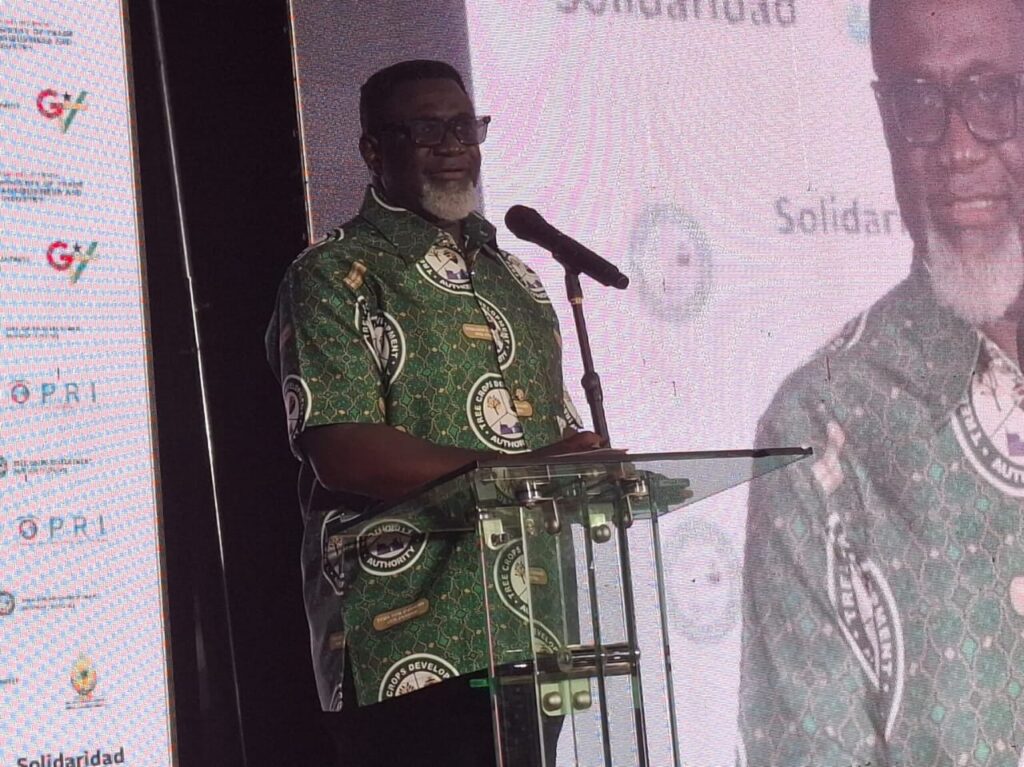
The Tree Crops Development Authority (TCDA) in Ghana is tasked with expanding oil palm production by developing 100,000 new hectares by 2026. This initiative aims to increase domestic palm oil production, lessen the nation's dependence on imported edible oils, and position Ghana as a strong contender in the global palm oil market.
Dr. Andy Osei Okrah, the Chief Executive Officer of TCDA, informed a national multi-stakeholder roundtable that the expansion must be carried out responsibly, safeguarding the environment while enhancing productivity and generating sustainable employment opportunities. He emphasized the focus on establishing ideal production zones, revitalizing outdated farms, and narrowing yield gaps on existing plantations, rather than expanding through deforestation.
Dr. Okrah stated, "Ghana must demonstrate that agricultural expansion and environmental stewardship can progress in harmony." The Minister for Food and Agriculture, Eric Opoku, echoed the sentiment during the roundtable, stressing the necessity for a unified approach among stakeholders to address the oil palm sector's challenges and establish the conditions for raising domestic production.
As Ghana aims to diminish its reliance on imported edible oils and attain self-sufficiency in palm oil production, the TCDA is working to convert the government's vision for palm oil self-sufficiency into a concrete execution plan. The Authority, established under the Tree Crops Development Authority Act, 2019 (Act 1010), will serve as the primary regulator for licensing, production planning, and industry data management.
Dr. Okrah expressed that the goal is precision and ambition, highlighting that the sector needs to broaden plantations, generate sustainable jobs, lessen reliance on imported edible oils, and establish Ghana as a competitive player in the global palm oil market.
Written by urgent.news from Joy Business's reporting — not their text. Machine-written — may contain errors; check the original before relying on it.
This story
This is one outlet's version. Read the fullest account.
- Ghana loses 8,900 hectares of forest reserves to illegal mining adomonline.com
- Ghana loses 8,900 hectares of forest reserves to illegal mining myjoyonline.com