Pacific farmers are reviving traditional knowledge to tackle a changing climate
For thousands of years, farmers in the Pacific have lived in harmony with their environment. But rising temperatures, unpredictable rainfall and tired soils are testing even the most experienced hands.

Pacific farmers are rediscovering age-old wisdom to cope with a shifting climate. For generations, they've balanced nature, but now extreme weather and strained soils are putting their skills to the test. To adapt, they're blending traditional knowledge with sustainable farming techniques and recent scientific research. Over the past three years, a multinational project has been working alongside farmers and government officials in Samoa and Tonga.
Led by the University of Melbourne, in cooperation with local partners, the initiative showcases how merging traditional wisdom with Sustainable Agriculture Intensification (SAI) can lead to sustainable, resilient farming practices. SAI goals emphasize boosting productivity, enhancing resource efficiency, and minimizing environmental harm—all vital for a sustainable agricultural future.
By merging these approaches, farmers are better equipped to handle climate challenges like droughts, declining soil quality, and weed proliferation. Hand-in-hand with farmers, researchers have established trial sites in both countries, allowing them to test practices in real-world settings while collecting data on their scientific effectiveness.
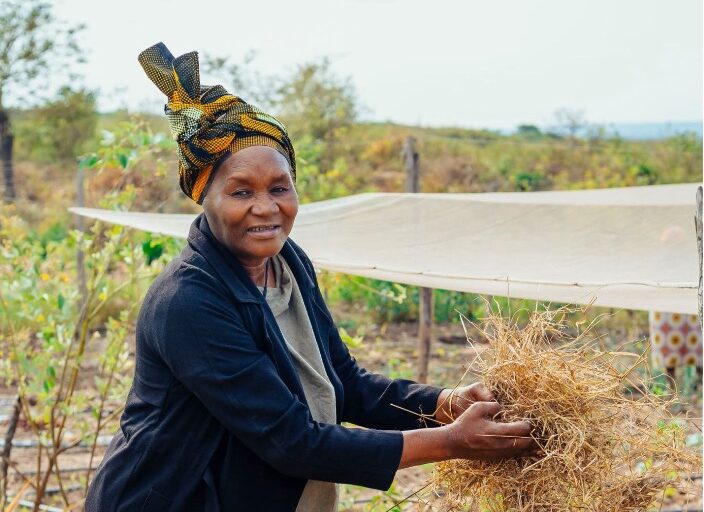
In Samoa, taro—a staple food and export crop—is the focus of innovative weed control methods. Farmers are experimenting with mulching, sheep grazing, and hand weeding to compare their effectiveness against chemical herbicides. Mulching, in particular, has shown promise by keeping soil moist, reducing the need for chemicals, and improving overall soil health.
In Tonga, farmers are also exploring mulching and intercropping, growing yams and taro together to maximize crop yields and income. The project's findings indicate that these SAI practices enhance soil health, boost crop performance, and increase resilience to climate fluctuations. Importantly, they also present immediate economic advantages for farmers, as they reduce reliance on expensive chemical herbicides and labor while generating new income streams.
The project's as-yet unpublished mid-project review confirms that combining SAI principles can improve soil health, enhance crop performance, and boost climate resilience, with potential economic benefits for Pacific farmers.
Written by urgent.news from Phys.org's reporting — not their text. Machine-written — may contain errors; check the original before relying on it.