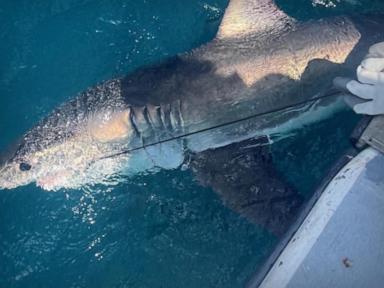
London river declared biologically dead in 1957 now has sharks and seals
The River Thames in London has made a remarkable recovery, evolving from a biologically barren stretch to a vibrant ecosystem full of life, such as sharks and seals. This revitalization is attributed to decades of pollution management and enhanced sewage systems. The Thames Tideway Tunnel plays a crucial role in minimizing sewage discharge. However, challenges like warming waters and nitrate…

In 1957, the River Thames in London was declared biologically dead due to severe oxygen deficiency and pollution from decades of sewage and industrial waste. However, about 70 years later, the river has seen a remarkable recovery, now teeming with various aquatic organisms.
According to a January 2026 health check published by the Zoological Society of London (ZSL), the river's recovery continues. The recovery includes the arrival of at least five shark species, including tope and starry smoothhounds, which are believed to provide crucial nursery habitat for young sharks. The Greater Thames Estuary is estimated to support around 2,987 grey seals and 599 harbour seals, with grey seal numbers increasing significantly since systematic monitoring started in 2013.
The report also highlights the comeback of the avocet, a migratory wading bird that had been extinct as a breeding species in Britain by 1842 due to habitat loss. Its population in the tidal Thames has more than doubled over the last three decades. The ZSL's Joanna Barker noted the presence of marine mammals as a positive sign of the Thames' improving cleanliness and support for numerous fish species.
The Thames Tideway Tunnel, a 15.5-mile "super sewer" completed in 2025, has further contributed to the river's recovery by preventing around 95% of sewage spills from London's outdated Victorian sewer system. However, challenges remain, including increasing nitrate pollution, concerns about some fish populations, and rising water temperatures, with summer water temperatures increasing by an average of 0.13°C per year between 2007 and 2024.
Written by urgent.news from Times of India's reporting — not their text. Machine-written — may contain errors; check the original before relying on it.