Niedrigwasser: Diese Schiffe sollen unsere Industrie am Laufen halten
Speziell konstruierte Niedrigwasserschiffe ermöglichen Transport auch bei extrem niedrigen Wasserständen wie aktuell im Rhein. Wie die Technik funktioniert – und wo ihre Grenzen liegen.
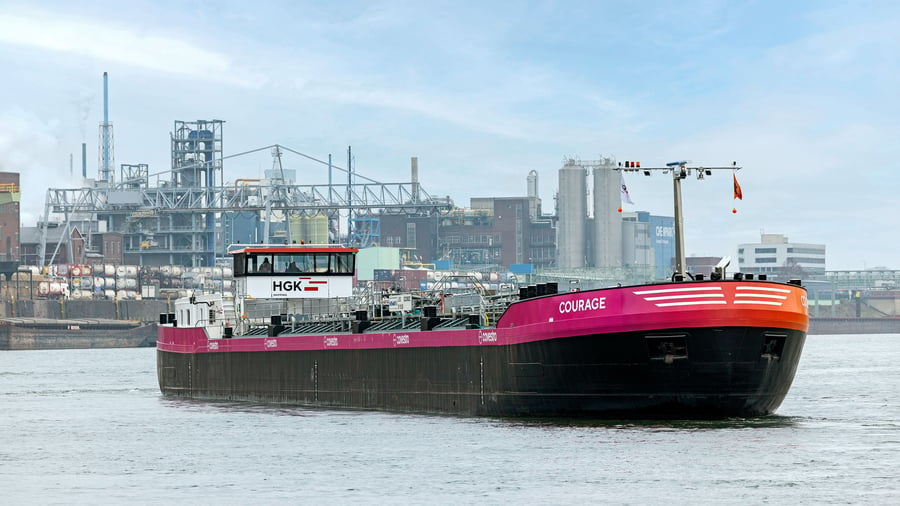
In September 2021, the newly commissioned "Gas 94" tugboat, decorated with ribbons and balloons, glided into port just outside Duisburg. This 110-meter-long, 12.5-meter-wide diesel-electric ship is not merely another cargo vessel; it promises to keep BASF's Ludwigshafen site supplied with raw materials even during the next drought.
The inspiration for this insurance came three years ago, in 2018, when record-low water levels in the Rhine caused significant financial losses for BASF. The company has since fortified its defenses with additional low-water ships, increased storage capacity, and more transportation options. The underlying principle is simple: when water levels drop, conventional ships must reduce their cargo, requiring more vessels and voyages, and consequently, higher freight costs, sometimes by more than triple the regular price.
Written by urgent.news from Handelsblatt's reporting — not their text. Machine-written — may contain errors; check the original before relying on it.