Mengapa politik identiti Malaysia tak sama kebangkitan haluan kanan seluruh dunia
Penganalisis berkata politik identiti diamal di Malaysia sejak sekian lama dan akan terus diguna sedangkan politik berhaluan kanan di luar negara adalah sesuatu yang lebih baharu.
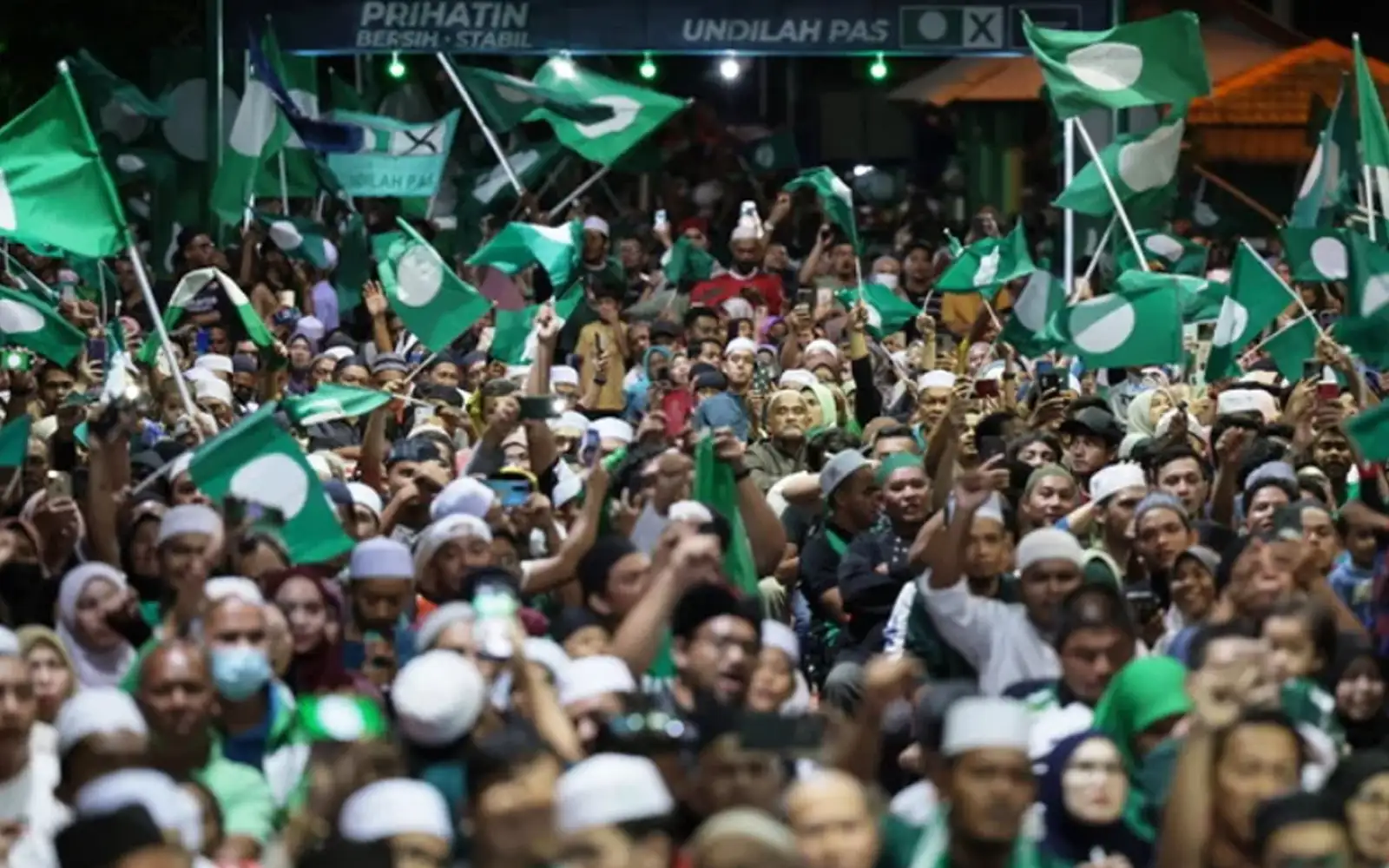
Malaysia's identity politics has long been a defining feature of the country's political landscape, while right-wing political movements have only recently begun to gain traction in Western nations, according to political analysts Ahmad Fauzi Abdul Hamid and Oh Ei Sun. Fauzi and Oh, both from reputable institutions, observe that developed nations like the United States and the United Kingdom have witnessed a rise in right-wing political sentiment over the past few decades, largely due to efforts to eliminate ethnic and cultural divisions.
These efforts were initiated in the UK following World War II and in the US following the passage of the Civil Rights Act of 1964, which outlawed discriminatory practices in the southern states.
In Malaysia, identity politics has been an integral component of elections for an extended period, rooted in Article 153 of the Constitution, which grants special status to the Malay community and the indigenous peoples of Sabah and Sarawak. This longstanding issue has been rekindled rather than a brand-new phenomenon, as it has existed since the country's inception. Fauzi asserts that it will periodically resurface and then fade away, only to resurface again in the future.
He characterizes identity politics as the foundation of Malaysia's political system, built upon Article 153, which defines Malays primarily as practicing Muslims. The societal identity dominates the political narrative, as a group of voters feels their rights are threatened within the constitutional framework, and their grievances are not necessarily linked to poverty.
This differs from Western contexts, where poverty is associated with the rise of right-wing sentiments and support for extreme ideologies. Consequently, dependency on loans or aid is ineffective in Malaysia. Fauzi attributes this to the fact that solutions relying solely on external aid have not proven successful in the country.
Nasionalism has been an inherent part of Malaysia's nation-building since its foundation, as Ong Kian Ming recently remarked, even if the People's Alliance (PH) gained electoral advantages from identity politics. Fauzi emphasizes that while the combined forces of the Barisan Nasional-Perikatan Nasional coalition may secure enough seats in the upcoming general election on the mainland, demographic shifts, including a rapid increase in Malay population relative to non-Malays, will further bolster the BN-PN's chances of forming a government.
Ultimately, the fate of Malaysia hinges on the ideology of Islam practiced by the ruling Malay majority.
Written by urgent.news from Free Malaysia Today's reporting — not their text. Machine-written — may contain errors; check the original before relying on it.
This story
This is one outlet's version. Read the fullest account.
- Mengapa politik identiti Malaysia tak sama kebangkitan haluan kanan seluruh dunia freemalaysiatoday.com