Mengapa politik identiti Malaysia tak sama kebangkitan haluan kanan seluruh dunia
Penganalisis berkata politik identiti diamal di Malaysia sejak sekian lama dan akan terus diguna sedangkan politik berhaluan kanan di luar negara adalah sesuatu yang lebih baharu.
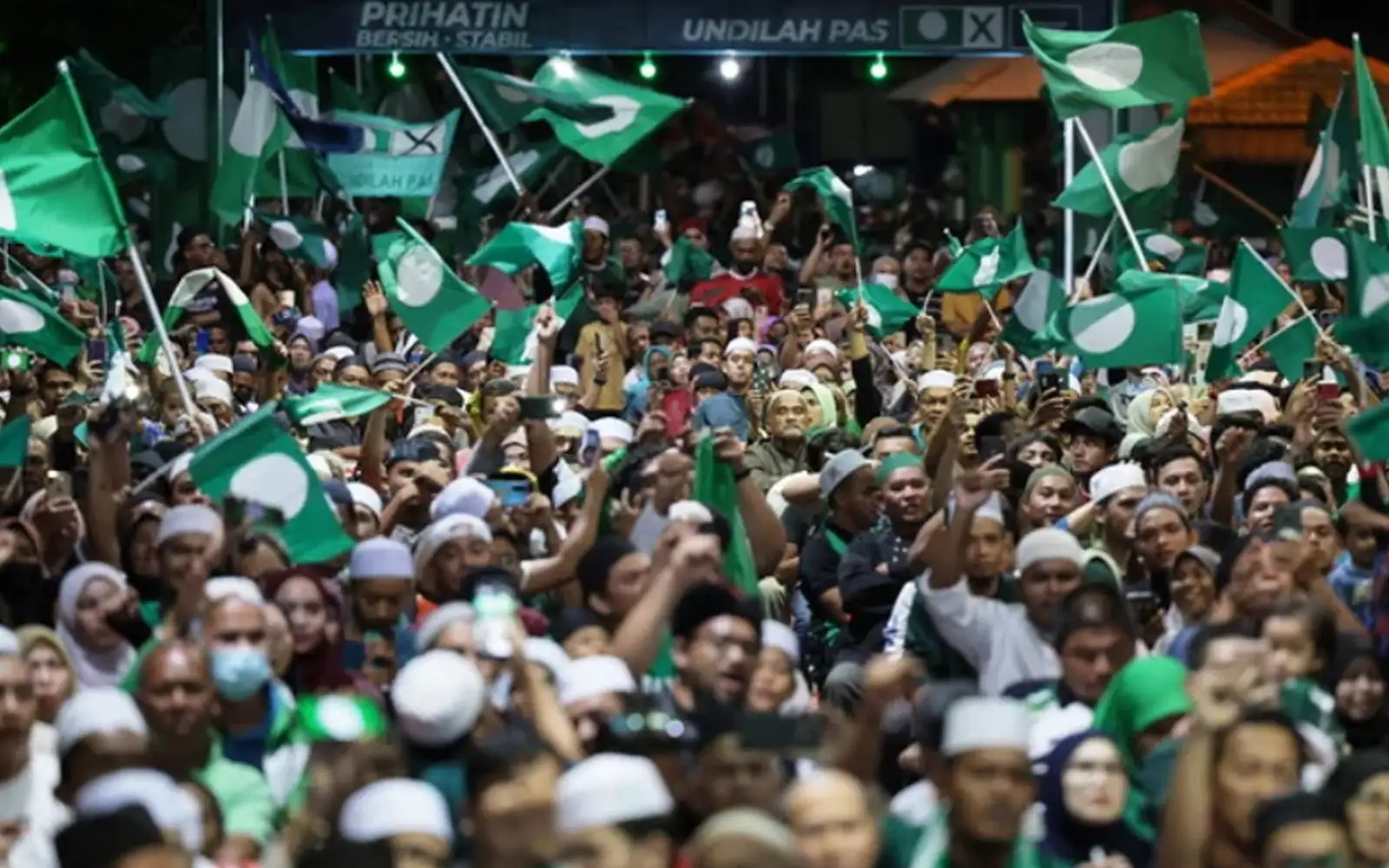
Politics of Malaysian identity has long been a defining characteristic of Malaysia's political landscape, unlike the rise of right-wing populist politics in Western nations such as the United States and United Kingdom, according to political analysts. Ahmad Fauzi Abdul Hamid from Universiti Sains Malaysia and Oh Ei Sun from Singapore Institute of International Affairs noted that Western countries have only seen an increase in right-wing populist politics over the past few decades, after implementing measures to suppress ethnic identity and promote nationalistic sentiments.
In Malaysia, political identity politics has been a long-standing and integral part of each election, stemming from the constitutional provisions, particularly Article 153, which grants special status to Malays and the indigenous peoples of Sabah and Sarawak. Fauzi explained that the emergence of identity politics is not a new phenomenon, but rather a resurgence, and its fluctuation will continue in the future.
He characterized political identity as the foundation built through Article 153, which defines Malays as predominantly Muslim. Fauzi stated that societal identity dominates the political narrative, particularly when a group feels their constitutional rights are threatened, regardless of socioeconomic factors. This differs from the Western context, where poverty is often linked to the rise of right-wing populist sentiment.
According to Fauzi, the solutions reliant on loans or aid have proven ineffective in Malaysia, as evidenced by the National Heritage Party's victory in Negeri Sembilan where the ruling coalition won all Malay-majority seats, despite the former Chief Minister Aminuddin Harun demonstrating commendable performance. Pakatan Harapan (PH) claims their defeat was due to the exploitation of identity politics by their rival.
While external factors contribute to right-wing populist politics, nationalism has been an integral part of Malaysia since its inception. Fauzi stated that although the Pakatan BN-PN coalition has seen benefits from identity politics, the political system was not designed as a liberal democratic model as some claim. The demographic shift, including the rapid growth of the Malay majority compared to non-Malays, could increase the chances of BN-PN winning enough seats to form a government in the next general election.
In this context, the future of Malaysia depends on the ideology of Islam as a political ideology, distinguishing it from Islam as a state religion. Islam is a "fait accompli" (something already decided and unchangeable) within the constitution, while Islamism is a matter of choice. The nature of Islamism as good or bad depends on the model employed by the ruling Malay elite.
Written by urgent.news from Free Malaysia Today's reporting — not their text. Machine-written — may contain errors; check the original before relying on it.
Also reported by 1 other outlet
- Mengapa politik identiti Malaysia tak sama kebangkitan haluan kanan seluruh dunia freemalaysiatoday.com