Iran’s next opposition will come from inside its shrinking regime
There is, in Iran’s political discourse, a pair of concepts known as “Khodi” (insiders) and “Ghair-Khodi” (outsiders). The distinction has never been a mere matter of words. Since the founding of the Islamic Republic, it has been a key instrument for defining the regime’s identity, protecting its boundaries and regulating the political arena from within. The Iranian regime has grounded its…
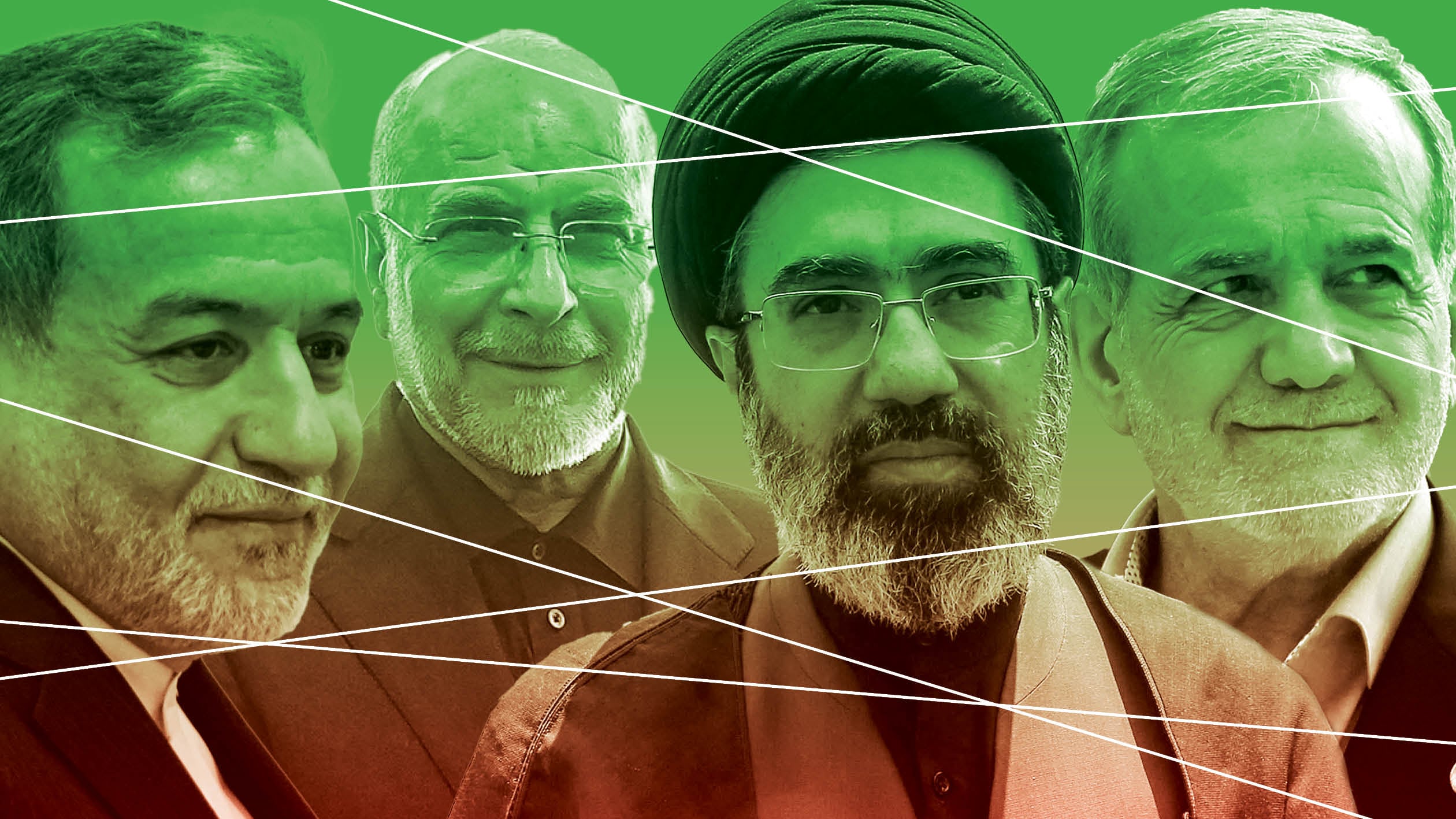
Iran's opposition landscape is evolving as the country faces significant challenges, with the concept of Khodi (insiders) and Ghair-Khodi (outsiders) playing a crucial role in defining the regime's identity and boundaries. The recent transfer of power following the death of Supreme Leader Ayatollah Ali Khamenei has ushered in a new phase for this concept, prompting a shift in the dynamics of dissent within the regime.
Khamenei, who had long served as Iran's ultimate arbiter, granting the Islamic Revolutionary Guard Corps (IRGC) extensive influence, has now passed the baton to his son, Mojtaba Khamenei. This selection serves as a security-driven solution to the crisis, allowing for continuity without replicating his father's leadership style. The IRGC played a decisive role in this transition, redefining the terms under which it would operate within the new power structure.
The Khodi/Ghair-Khodi distinction no longer solely refers to individuals outside the regime, but has transformed into a mechanism of governance that prioritizes loyalty to the center of security power. In this new era, being a Khodi requires embracing the logic of war as the test of legitimacy and recognizing the IRGC as the principal gateway to survival, rather than merely being a part of the state.
President Masoud Pezeshkian, who emerged from within the system, is a prime example of this evolving Khodi. While he may still be considered a Khodi in an institutional sense, the IRGC's emerging definition of the concept suggests that his position is becoming increasingly limited. The tension surrounding his position reflects the shrinking role of civilian politics in a system that is rapidly evolving towards a more security-oriented order.
In this shifting landscape, the concept of Ghair-Khodi is not limited to opposition figures or radical reformists. It may now encompass a president who believes the state needs a settlement, a diplomat who recognizes the costs of confrontation, or a technocrat focused on economic management and public welfare. As Iran navigates the complexities of its current crisis, the interplay between Khodi and Ghair-Khodi will continue to shape the political discourse and the future of the country's opposition.
Written by urgent.news from The National UAE's reporting — not their text. Machine-written — may contain errors; check the original before relying on it.
This story
This is one outlet's version. Read the fullest account.
- Iran’s next opposition will come from inside its shrinking regime thenationalnews.com