How Ronald Reagan Sold Calm to Americans
Emotional reassurance came to be mistaken for competent governance.
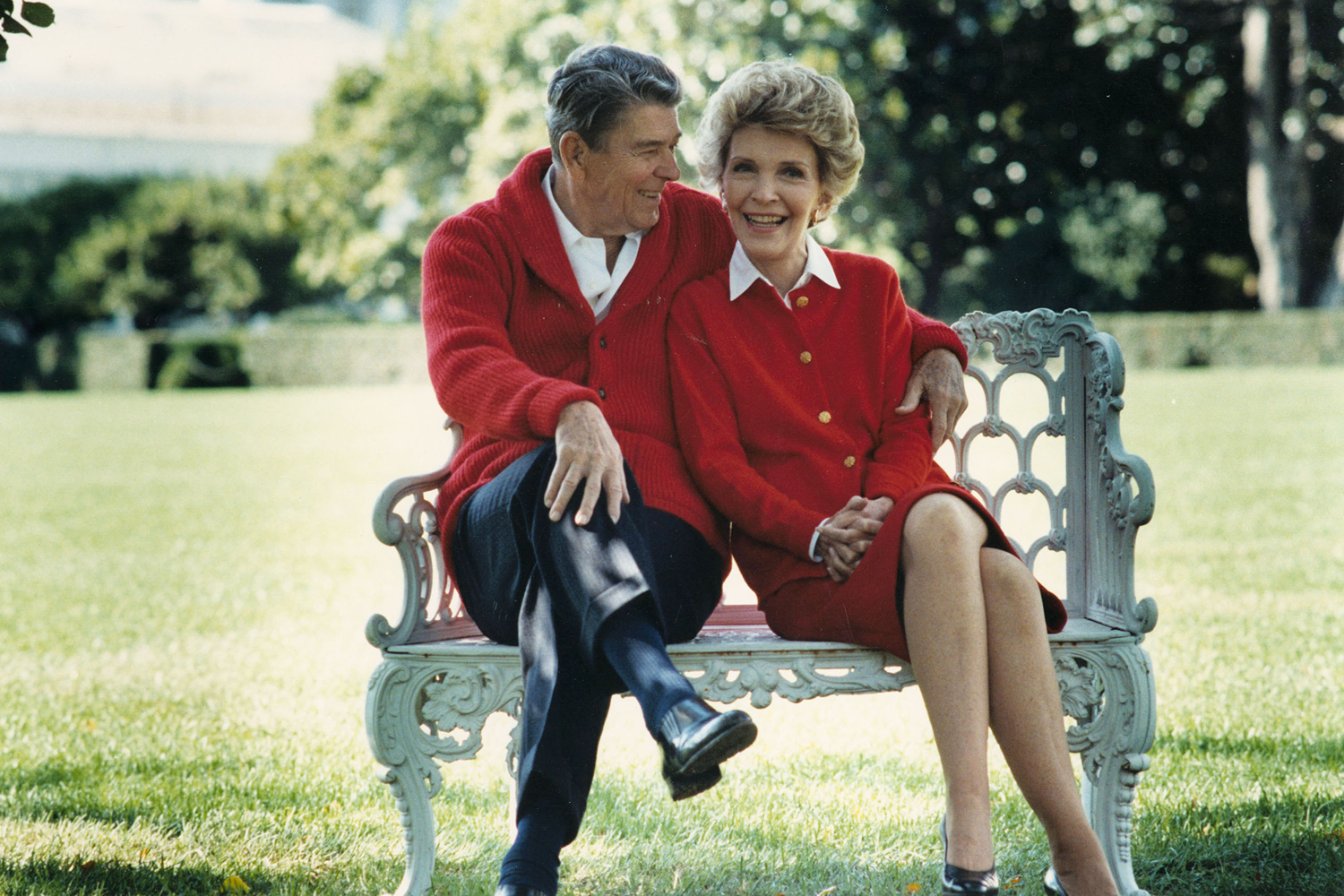
Ronald Reagan's presidency is often remembered as one that brought a sense of calm and reassurance to the American people. Recent biographies by Max Boot and William Inboden explore different aspects of Reagan's leadership, but both highlight how his composure became a defining characteristic. Reagan was seen less as a policy innovator and more as a figure who maintained peace and stability, making reassurance feel like governance.
This emotional approach to leadership became a governing method in the late 20th century, as bureaucracy learned to mistake repetition for renewal and procedure for integrity. Rather than fixing systems, they became trapped within them, reassuring themselves and the public that everything was okay. The late 1970s marked a turning point in the modern administrative mindset, with presidents like Ford, Carter, and Reagan inheriting unfinished business from the mid-century state.
Instead of resolving the tension between federal power and protection, they deferred it, leading to a trade of conflict for opacity. Each procedural fix replaced judgment and shrank the state's ability to understand its actions. Under Reagan, the focus shifted towards efficiency, with public reports and data series ceasing publication to streamline processes, congressional disclosures narrowed, and expert offices dissolved or outsourced.
This resulted in a growing accumulation of unmade decisions carried forward as administrative workarounds, leading to increasing opacity for citizens. The federal government became more insular, with agencies learning to comply rather than govern, and reassurance becoming a style of administration. By the end of the decade, confidence had replaced capacity as the country's most marketable product.
These biographies, while contrasting in their moral perspectives, reveal a shared understanding of Reagan's leadership as a performance of calm. This steady approach, while appearing restorative, masked a program of contraction, shrinking not only the federal workforce and regulatory ambition but also the flow of public information about government activities.
The Reagan era established a new moral syntax: order without imagination, control without capacity, and composure without candor. This approach became the operating logic of government, prioritizing the ability to deliver a single, unwavering story over substantive progress.
Written by urgent.news from Foreign Policy's reporting — not their text. Machine-written — may contain errors; check the original before relying on it.