Hubble Reveals that Star Formation is Slowing Down in the Andromeda Galaxy
A team of scientists led by the University of Washington has studied how star formation is declining in the Andromeda galaxy using highly detailed Hubble surveys.
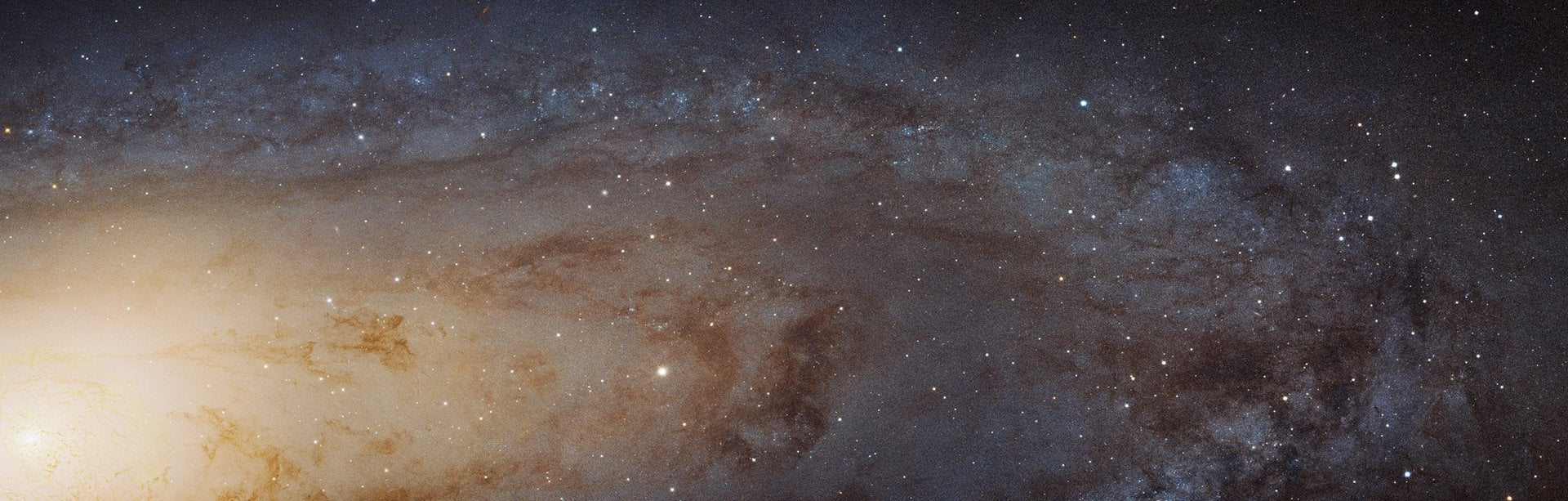
The Andromeda Galaxy, a cosmic neighbor of the Milky Way, is experiencing a slowdown in star formation, according to a new study using data from NASA's Hubble Space Telescope. Located approximately 2.5 million light-years away, Andromeda is visible to the naked eye and is significantly larger than the Milky Way. Researchers from the University of Washington found that star formation in Andromeda has been declining over the past 500 million years, with a more steep decline in the last 40 million years.
Star formation in Andromeda is influenced by internal factors such as gravity, magnetic fields, and shockwaves, as well as external factors like galactic mergers. The study calculated that star formation in Andromeda reached its peak about 2 billion years ago, but has since declined to about one-fifth of its previous rate. The researchers suggest that this decline may be a natural progression from Andromeda's previous state of higher activity, rather than a result of material shortage for new stars.
The team also investigated the impact of Andromeda's satellite galaxy, M32, which is about 16,000 light-years away. Their findings indicate that star formation between Andromeda and M32 began to decrease roughly 60 million years ago, providing a potential explanation for the observed decline in star formation.
Written by urgent.news from Universe Today's reporting — not their text. Machine-written — may contain errors; check the original before relying on it.