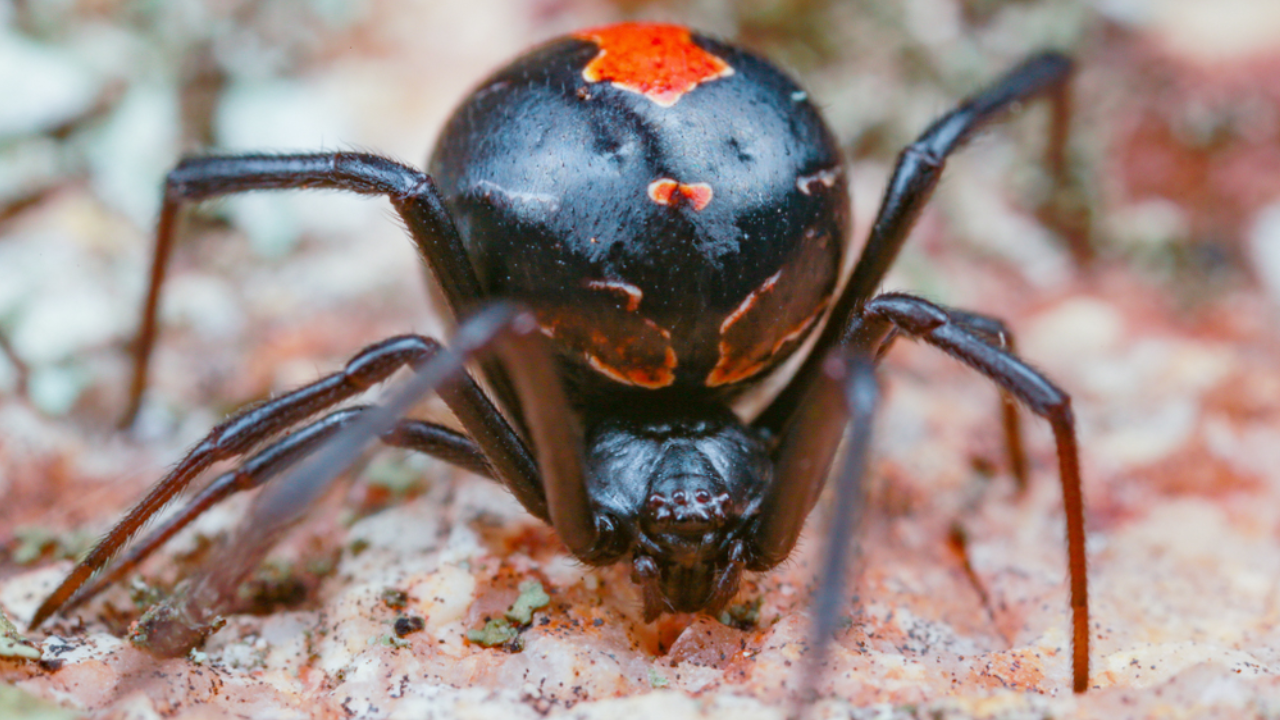
How Vipers Got Their Venom
Although it serves as a defense, it’s really all about securing a meal The post How Vipers Got Their Venom appeared first on Nautilus .
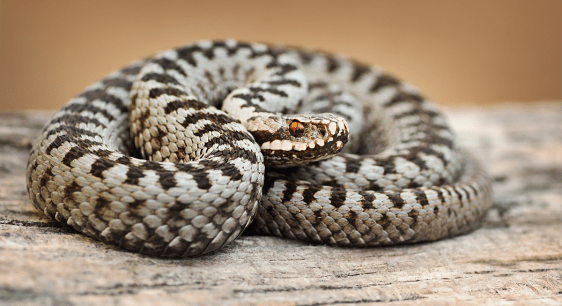
Snake venom serves a dual purpose: immobilizing prey and deterring predators. The chemical composition of venom varies greatly among species, leading to the hypothesis that the variation reflects a trade-off between targeting prey and predators. Researchers from Europe and Australia conducted a study to test this hypothesis by analyzing the venom of six European viper species in the genus Viperus.
These vipers have diverse diets, ranging from insects to vertebrates like rodents and shrews. The researchers discovered that none of the venoms activated pain-sensing receptors in mouse cells, challenging the notion that defensive and predatory functions drive venom evolution separately. The study suggests that prey capture is the primary factor shaping venom composition in these species.
The variation in venom composition might be due to separate evolution and specialization for different prey types or different ecological conditions. Regardless of the reason, viper venom remains effective in keeping humans at a safe distance.
Written by urgent.news from Nautilus's reporting — not their text. Machine-written — may contain errors; check the original before relying on it.