How the grisly trade in mummified body parts has created a modern 'mummy’s curse'
A gruesome trade in mummified human body parts, including heads, is putting collectors and even postal workers at risk, new research suggests. People who handle remains could be exposed to hazardous chemicals used as preservatives and to microorganisms that thrive in decaying material, according to the study. The buying and selling of body parts, often through social media sites, has been…
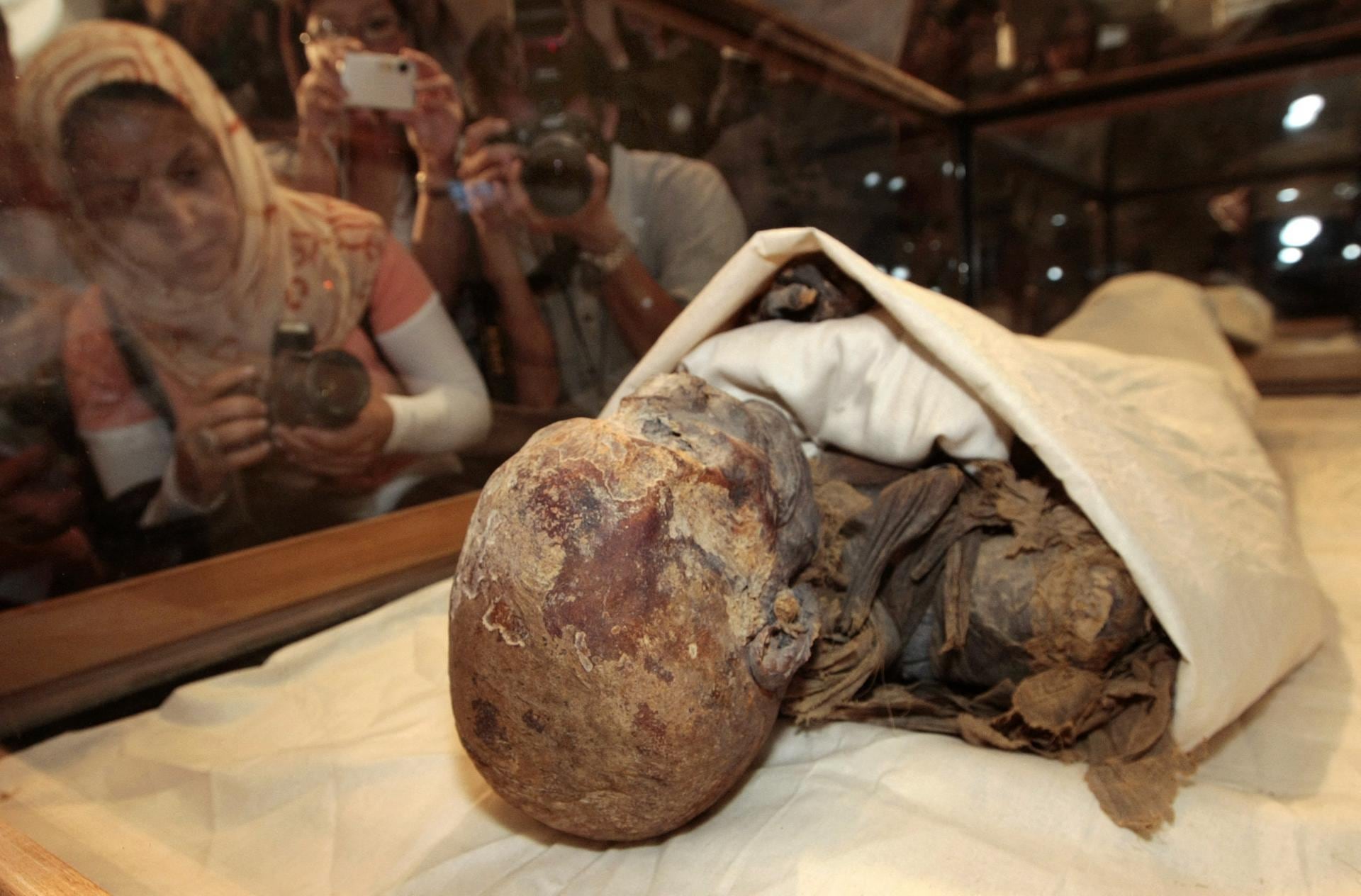
The grisly trade in mummified human body parts, including heads, has emerged as a modern "mummy's curse", posing significant health risks to collectors and postal workers, according to new research. The buying and selling of these remains, often through social media platforms, has been described as "shocking" and disrespectful to the deceased, who did not consent to their remains being traded.
The research, published in the International Journal of Cultural Property, analyzed numerous online advertisements and identified the hazards associated with handling and storing human body parts, such as fungal spores and microorganisms thriving in decaying material.
Mummies, often associated with ancient Egyptian tombs and the belief that opening one brings bad luck, now have a scientific basis for their "curse." Fungal spores found in these remains can cause respiratory tract inflammation, infections, and fever. The research highlights that many who opened ancient Polish King Casimir IV Jagiellon's tomb in the 1970s likely died due to inhaling these spores. Similar incidents have been reported in connection with the opening of King Tutankhamun's tomb in the 1920s.
The study, titled "The real mummy's curse: Health risks associated with the sale and trade of mummified remains," highlights the dangers of fungal spores, yeast, and bacteria that often remain unnoticed and can be stored openly, posing risks to nearby individuals. The researchers emphasize that these hazards stem from diverse mummification processes using various substances for drying, smoking, or preserving tissue, which may lead to bio-deterioration of remains in the market.
While the size of the trade remains uncertain due to its largely online nature, the research emphasizes the ethical concerns surrounding the trade. Selling and owning mummified remains raises significant ethical issues, particularly when consent was not obtained from the deceased or their kin. The trade is considered unethical, as the remains once belonged to living individuals.
The researchers call for stricter regulations, including restrictions on local sales and import/export via postal services, as well as proper storage and handling conditions for mummified remains.
Written by urgent.news from The National UAE's reporting — not their text. Machine-written — may contain errors; check the original before relying on it.
This story
This is one outlet's version. Read the fullest account.