How a major oil slick started washing up on Iran's beaches
Experts tell BBC Verify pollution has spread from a ship attacked on 3 August and threatens vulnerable wildlife.

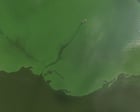
On August 3, a ship named Minoan Pioneer was struck by a projectile near Oman while in the Strait of Hormuz. Satellite imagery from August 5 revealed the vessel was still ablaze, with an accompanying oil slick spanning approximately 10 square kilometers. This slick expanded to double its original size by August 10, spreading northwest through the strait towards Iran's Qeshm Island.
By the 10th, verified videos documented substantial oil washing ashore on Qeshm, alongside an ongoing cleanup operation. Samir Madani, co-founder of maritime intelligence company TankerTrackers.com, posited that the slick originated from the Minoan Pioneer, describing the attack and resulting oil spill as a "self-inflicted wound by Iran."
Environmental experts express concern regarding the spill's potential impact on Qeshm's sensitive coastal and marine habitats, which include mangroves, turtle nesting areas, and crucial fishing grounds. The oil visible on the surface may merely scratch the surface of the ecological damage, as heavier components of the oil could sink to the seabed and remain for years.
Written by urgent.news from BBC News's reporting — not their text. Machine-written — may contain errors; check the original before relying on it.