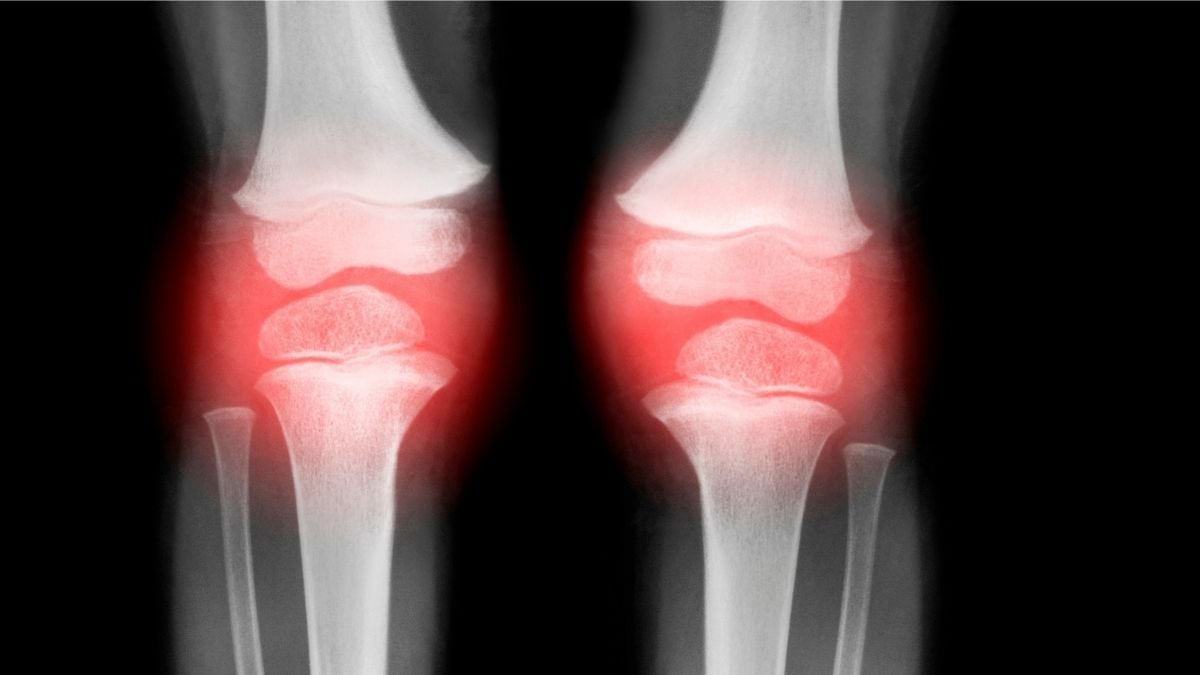
Gene-editing therapies not yet ready for human trials, Stanford expert says
Gene-editing therapies for the nervous system may need at least another round of studies before they are safe enough to enter human trials, according to one of the world’s most influential figures in the commercialisation of brain science. “The techniques are reasonably well established for animal experiments, but they really haven’t been as mature for human studies,” said Karoly Nikolich, an…
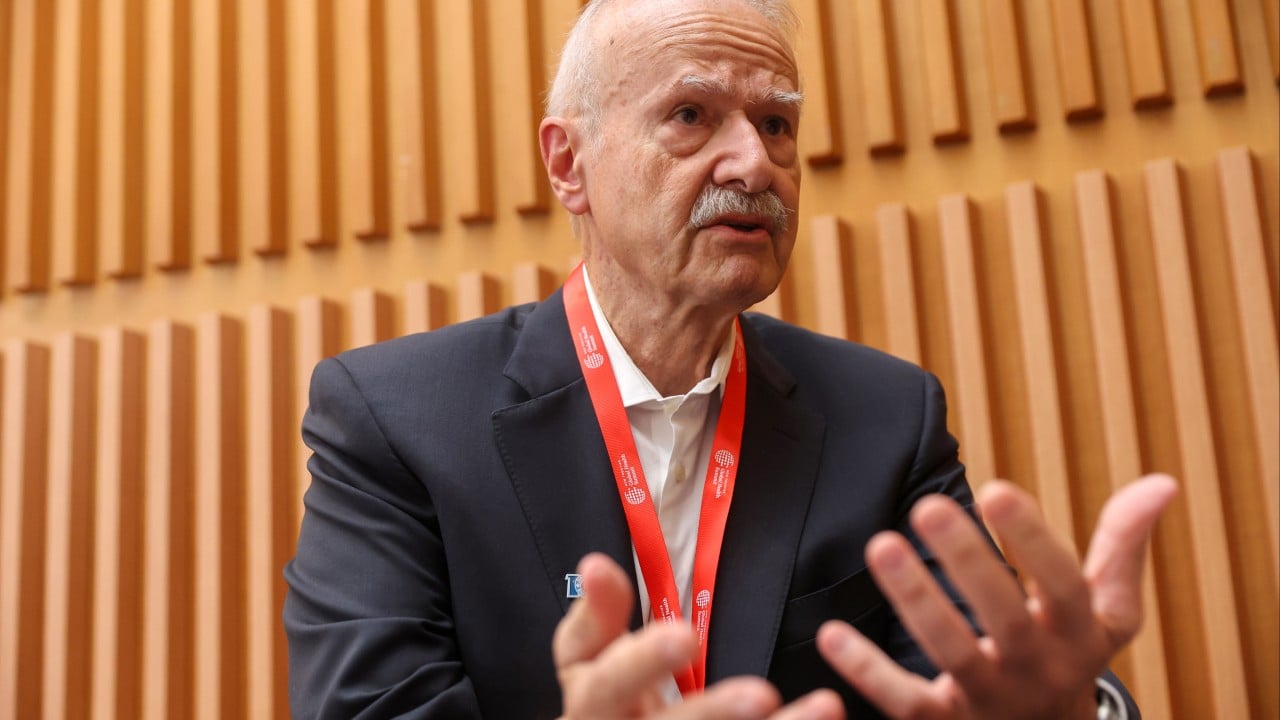
Gene-editing therapies for the nervous system may require additional studies to ensure safety before entering human trials, according to Karoly Nikolich, an influential figure in brain science commercialization. Nikolich, an adjunct professor at Stanford University School of Medicine, stated that while techniques have matured for animal experiments, human studies have lagged behind.
This assessment follows reports of two deaths in China, where experimental gene-editing treatments led to severe immune reactions in a six-year-old girl and a boy with Duchenne muscular dystrophy. These incidents occurred in Shanghai, where investigator-initiated trials (IITs) do not require drug regulator approval. Nikolich highlighted that the deaths were due to "terrible" side effects, emphasizing the need for more research before human trials.
He categorized gene-editing therapies into two types: introducing foreign genes into the host genome and directly editing genes. The latter, currently the focus of major biotech companies, has attracted significant investment in China, with EdiGene raising over US$164 million. Nikolich believes AI could accelerate understanding of the brain, potentially speeding up gene-editing therapies.
While AI has shown promise in understanding diseases like Alzheimer's, its effectiveness in other conditions like Parkinson's, autism, and depression remains uncertain. Nikolich's company, Circuit Therapeutics, is working on identifying brain circuits for treatment, but progress in other areas remains slower. Despite AI's potential, healthcare investment expert Leung Chuen-yan cautioned that the complexity of human biology still poses significant challenges.
Written by urgent.news from SCMP Business's reporting — not their text. Machine-written — may contain errors; check the original before relying on it.
This story
This is one outlet's version. Read the fullest account.